
Primary Epoch
Tolku: The Foremost Ones, Lesser and Greater Era of the Primary Epoch, Uluvatu Masters, Duamang Age, Greater Era, Tolku Civilization icon
Suvuka: A Separate Creature, Mesmerizing Run, The First Onslaught, Preliminary Invasion, Warning Signs, Evacuation and Survival, Master Duamang Weapon and aftermath, First-hand accounts of Suvuka demise and critiques, Domestication of the Suvuka, The Second Onslaught, Last Tolku become first Koru and Yakku
Secondary Epoch
Koru: Survivors of The Killing Swath, Migrant waves, The Change, Change aspects, New Culture and Title
Yakku: The fate of the Thermistal Tolku, Survivors flee west, Viracocha District, Viracocha District becomes Viracocha Authority, Suvuka thwarted, Suvuka force divided, The Change on Thermistal, Yakku Physical Characteristics, Koru Icon for Yakku
Yelda: Newest Self-Aware Being, Field Yelda, Sumudin (Koru) Yelda, Kudurapala (Koru) Yelda, Danam Yelda
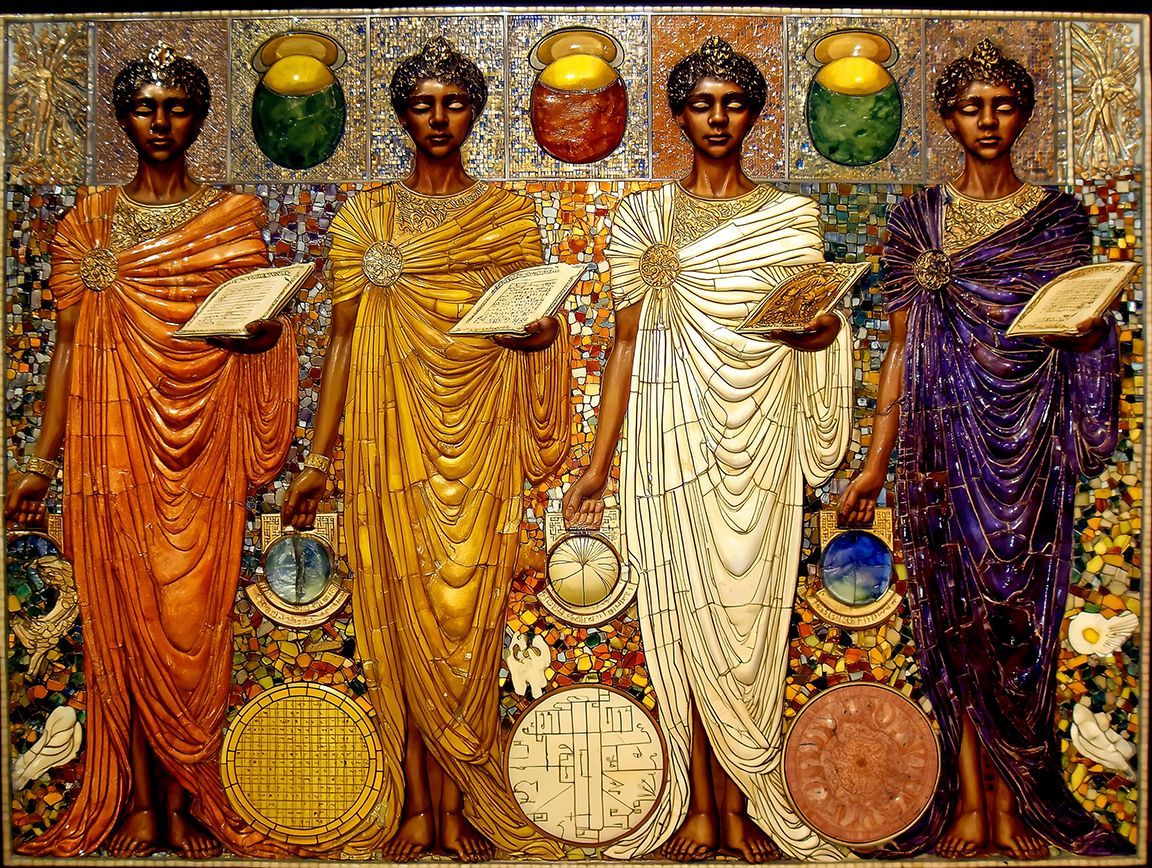
A rare image of the Venerable Tolku, the Foremost Ones, who created the Tatchlan System. This is an honourific portrait of the Uluvatu Masters.
Tolku (TOLku), also named the ‘ Foremost Ones,’ were upright beings who arose from among other species collectively termed ‘Cousins’ in prehistoric times. They distinguished themselves by their profound ability to adapt to changing environments, grow immensely complex and flexible forms of communication, and, through the domestication of food sources, enrich an urban life. All of this is understood as their ‘Collective Crown’ of Genius. While their growing awareness of the wonders of Anu opened many doors for them, the issue of social organization and cohesion came to dominate their emerging consciousness.
Initially, the Tolku tried to build on the surrounding Cousin social organization by forming large clans that worked together for mutual survival and nurturing. Various types of larger social groupings developed, with rudimentary social hierarchies and task-specialized subsets. As these grew and the entire population expanded beyond the capacity of these original forms, they struggled to create new ones. Over millennia, these early societies developed into a series of contending dynasties. Extended periods of competition repeatedly led to violence, causing many cultural, social, and philosophical movements to emerge, all striving to find a way out of their misery. The Practicians movement was born into this tumultuous setting. Their early successes in accessing and modifying ‘ Raw Life ’ led to the emergence of the first Tatchlan Masters, eventually founding the Tatchlan System, with its supreme expression of the Majastas and the Cluster-of-Clusters Nation.
The original idea of group co-operation became the exemplary social virtue, while internal competition was identified as the key vice. Even in this early period, the importance of unifying vital elements, such as familiar touchstones, evocative imagery and a shared set of virtues, was emphasized. While these values were lauded, many innate tendencies thwarted their realization. Due to a series of violent disorders and many incidents of social breakdown, artists, mystics, philosophers and prophets became united in their condemnation of the root cause of all misery – ‘Self-Absorption.’
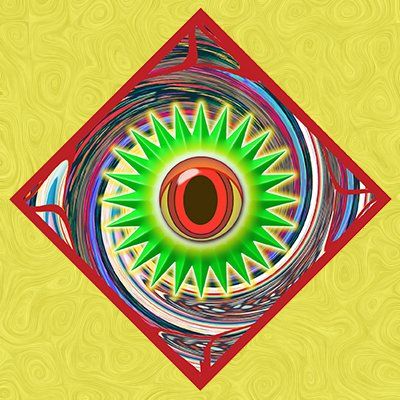
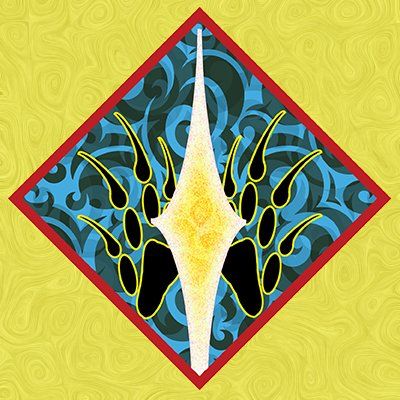
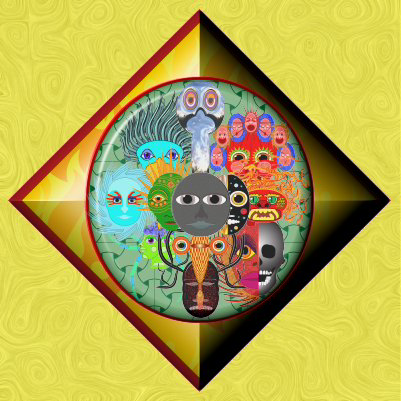

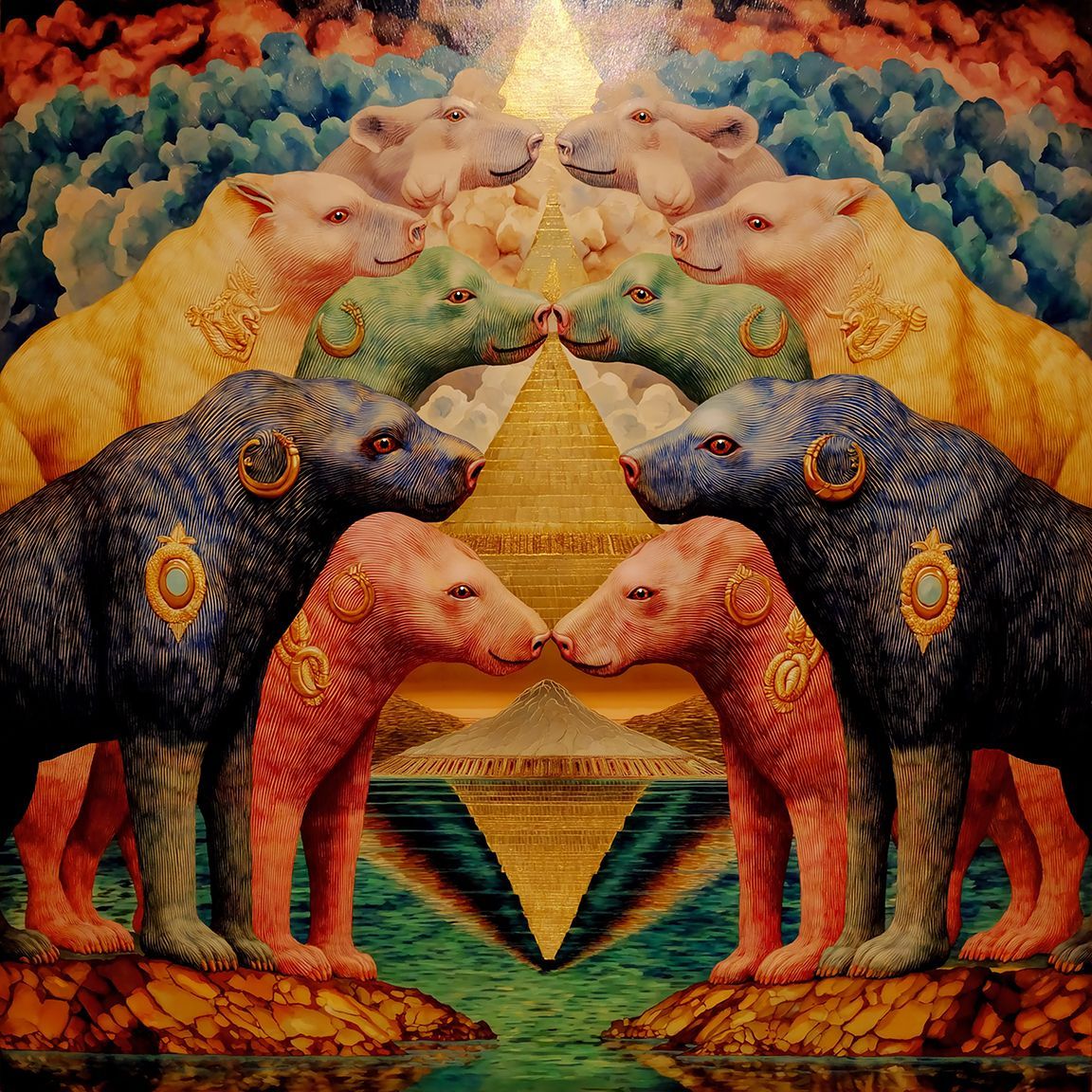
The above image is a common feature in most Koru Living Mountains during the Secondary Epoch. They are crafted mainly by taxidermists using recovered bones and other materials, mostly from the northern shores of the Huallapandu Headlands.
Evidence shows that after initially trying to destroy the Danta, the Suvuka underwent a profound adaptation and began to herd them. This profound shift toward greater social complexity demonstrated that they were superior in adaptive collective intelligence to all other animals on Thermistal. With a steady food source, the Suvuka became pastoralists and developed languages and other rudimentary forms of civilization. They continued domesticating other animals, leading to animals that ran with their herds.
The Suvuka communicated through a series of whistling, clicking, and other mouth noises, along with many other slapping, clapping, and snapping sounds. Evidence suggests that their pastoral clans alternated between small, mobile herds and seasonal gatherings of large populations, organized through an intricate kinship network. Their ability to communicate in language, along with clear evidence of their fashioning a series of cultures that expressed themselves through ceremony and dance, has led most to agree that they possessed a lesser version of the ‘Collective Crown.’ Notwithstanding these notable attributes, they never progressed beyond this pastoral organization, augmented by a hunting-and-gathering subsistence level, or beyond a tribal organization. Once aware of the Tolku, the Suvuka declared them mortal enemies. No matter how much Tolku's effort was put into communicating, it did not enable them to alleviate the Suvuka's blind animosity. They also proved surprisingly resistant to modification within Tatchlan, which was eventually overcome during the first Tolku Majastas Dynasty. They twice crossed over the Panchala Sea to sweep down Rho-Jashun, intent on destroying the Tolku. These are referred to as the two Suvuka ‘Onslaughts.’
The Mesmerizing Run
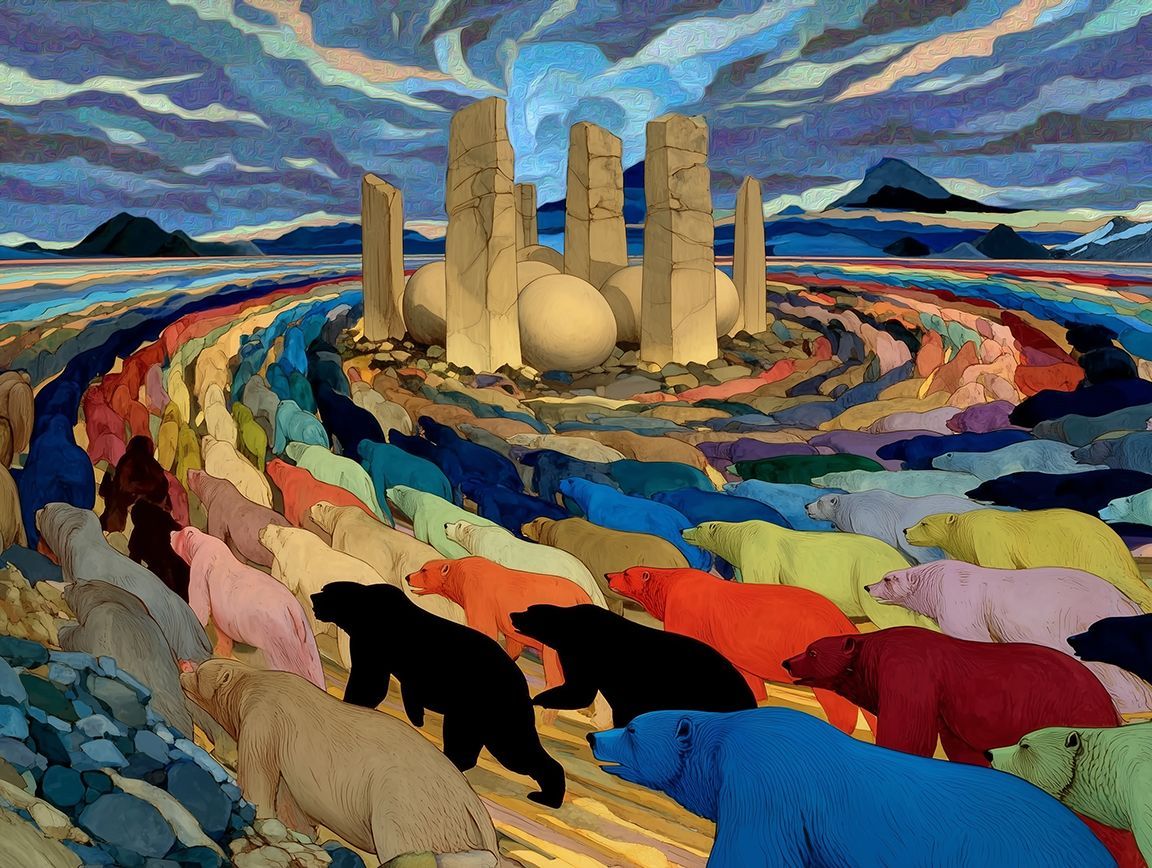
This is a modern Danam Yeldic representation of a ‘Suvuka Round’ where a few rare observations during the Lesser Era witnessed what they described as a ‘Mesmerizing Run.’ This appears to have been a profoundly important ritual in which the creatures would engage in a slow dance before entering a circular track and running around the central installation. During this run, they appeared to cultivate a collective frenzy until they became overwhelmed. Once all had stopped or fallen exhausted, a variety of apparent conclusion rituals took place before the separate herds moved away from the site. The central pillar and boulder formation, presumed to be emblems of fertility, is based on the ruins of what is known as the Enimik Round, the largest fashioned by the beasts on Rho-Jashun, which the first Koru Majastas, Zudaz the First, walked through at noon in the year 98 UKC. This was to signify the defeat of the Suvuka on Rho-Jashun and herald the dawn of the Koru's Cluster-of-Clusters Nation.
The First Onslaught
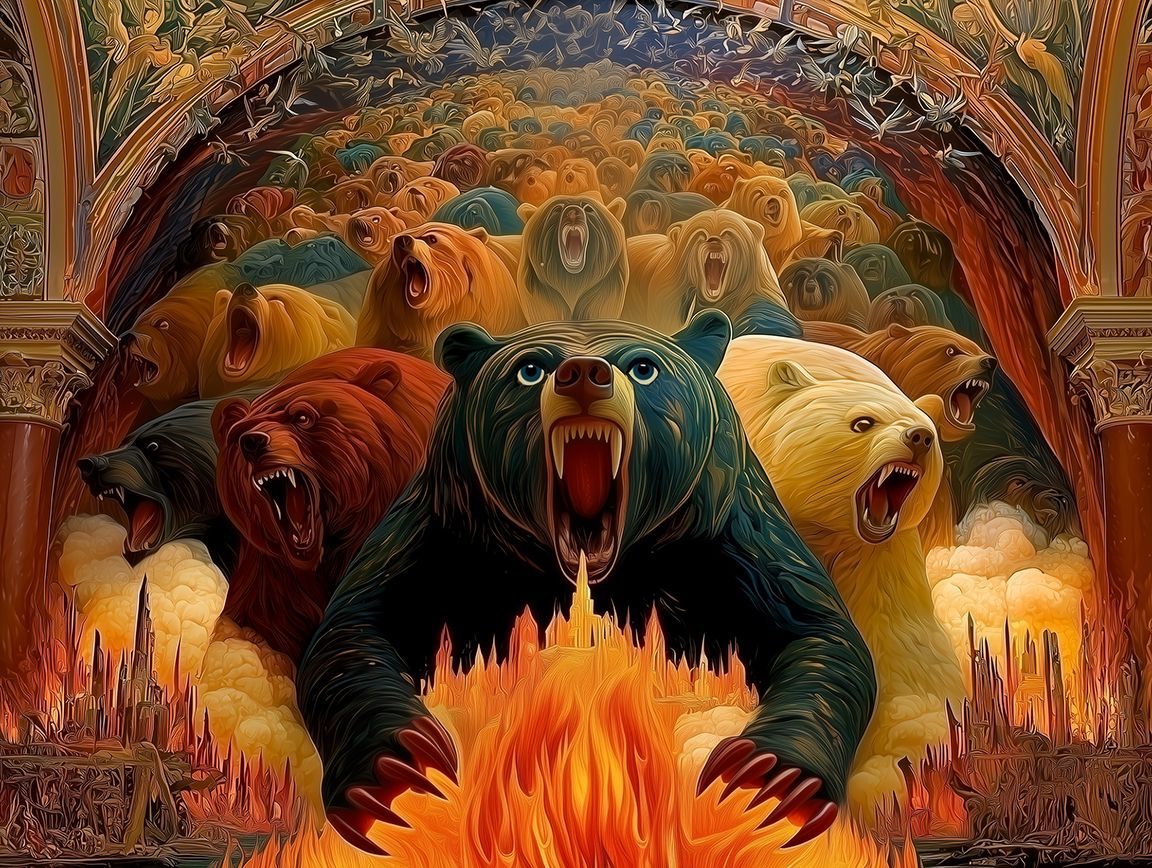
This Dictum Image is from a Danam Yeldic Abultion Academy and is intended to symbolize both the First and Second Suvuka Onslaughts. While the ancestors of the Venerable Koru and Yakku both fought this menace in their own ways, they seldom chose to depict these catastrophic episodes. The Rho-Jashun Yelda and, certainly, the Danam Yelda of Statos-Vey were sheltered from this horror. Only with the final extinction of the Suvuka could future generations begin to portray these terrible events.
For Aeons, the Suvuka knew nothing of Rho-Jashun and Statos-Vey south of the Panchala Sea. They appear to have an aversion to the sea, so, with the notable exception of Pramath Island, they seldom swam in the ocean. They were powerful swimmers and regularly traversed Lake Teval in central Thermistal.
It is surmised they became aware of the Tolku from the earliest fishing vessels reaching Thermistal’s southern shores. It is known that very early in Tolku prehistory, fantastic tales were spun around giant beings across the sea. It also became common from this time onwards for ‘the North’ to become the symbol of all sorrow and the subject of ancient taboos (see the significance of the Northern Gateway in Yeldic rural clusters, formulated far in the future during the early Secondary Epoch).
While many worked alongside Cousins in various tasks, these smaller classes of domesticated Suvuka were exclusively enjoyed as household pets.
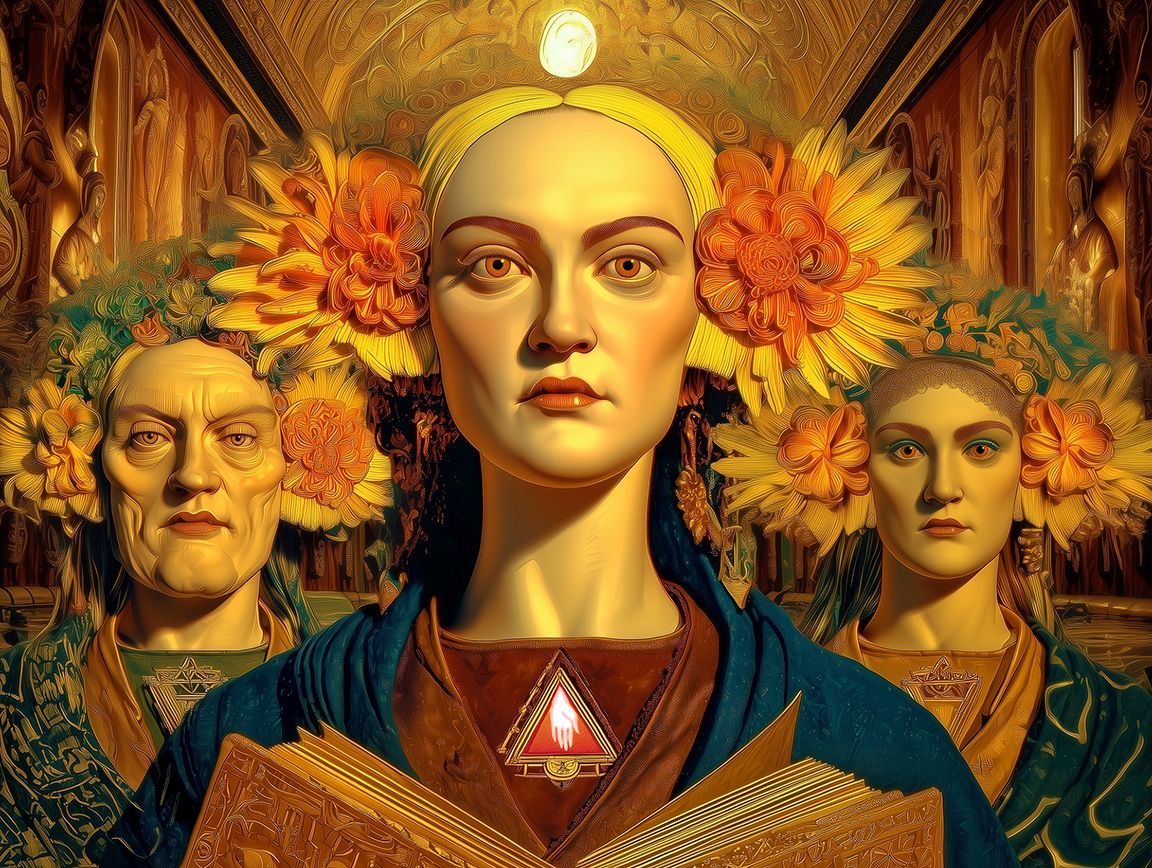
The Koru are the faithful heirs of the Tolku Legacy. After the Killing Swath and Second Suvuka Onslaught, they laboured within Mount Chraxan and other Sanctuaries to nurture all Living Instruments and reawaken the Living System and Resplendent Work of Tatchlan. Through pain and sacrifice, the Koru saved much of value from the Primary Epoch. Through their dedication and genius, the Koru made the Secondary Epoch possible. They have also produced many wonders unknown to the Tolku, including the Healing Vat and the three classes of Koru Yelda, forming steps towards their most significant achievement, the Danam Yelda.
Survivors of The Killing Swath
After The Killing Swath and before the Second Suvuka Onslaught, the Face of Anu was transformed. The global Tolku Cluster-of-Clusters Nation fell into ruin. The dawn of the Secondary Epoch saw two tiny, ragged remnants of the Tolku coalescing on Rho-Jashun and Thermistal, then taking very different paths toward new existences. On Rho-Jashun, there is clear evidence that the Tolku of the Primary Epoch made preparations for those who found shelter within three critical mountains in the central and southern portions of the Mulungu Mountain Chain: Mount Arnom, Mount Rongu, and Mount Chraxan, forming what would eventually be known as the Central Triumvirate. These became known as the Sanctuaries. There are even hints that some form of guideposts were established immediately before or after the Killing Swath for the refugees to follow. Across the Panchala Sea on Thermistal, an unlikely series of events led survivors to climb high in the towering trees of the vast estates in the western portion of the continent. From this point, the Tolku ceased, and two new species, cultures and nations were born.
Migrant waves
As is detailed on the Koru Culture page, these survivors, known as ‘Guardians,’ came in three successive waves to the Sanctuaries of Rho-Jashun. The First Generation comprised those witnessing The Killing Swath who were close enough to reach the Sanctuaries within the first few years. The Second and Third generations were also survivors, along with their descendants, who travelled great distances from Rho-Jashun and Statos-Vey to reach the Sanctuaries. Their arduous journey through the ruins of their former civilization took several years to decades. Several small flotillas of ships also crossed the Panchala Sea from Thermistal during the early years of The Interim, forming part of The First Generation. This avenue of migration appears to have closed following the first decade due to the rise of Suvuka activity on Thermistal. Some of their harrowing tales of escaping the Suvuka by sea still survive. With minor exceptions, all the refugees arrived in these three waves, with the last migration arriving forty-one years after The Swath. History tells of a ‘Fourth Generation,’ but these were those born within the Sanctuaries who dared to rescue vital elements of the previous civilization despite Rho-Jashun being overrun by the Second Suvuka Onslaught. Their heroic journeys took place after Year 87 of The Interim.
Viracocha Ministry becomes Viracocha Authority
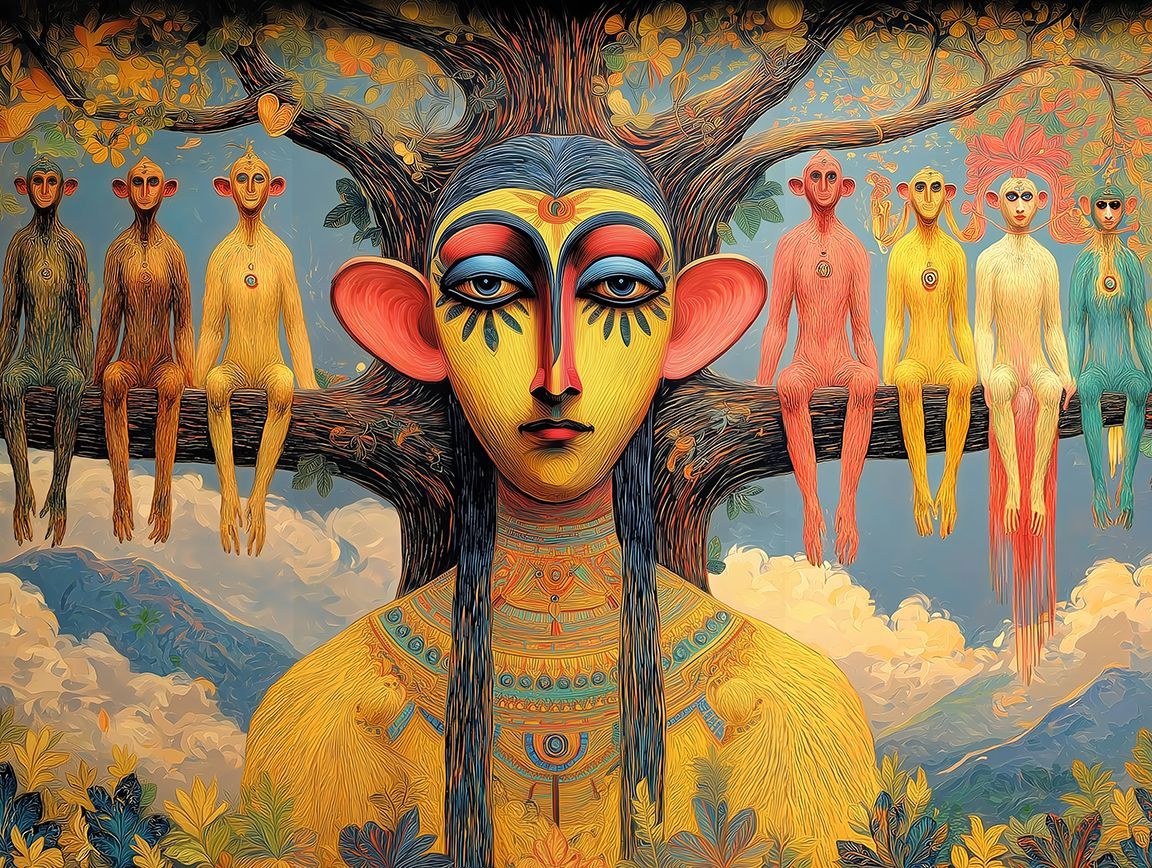
The one Primary Epoch institution appearing to still exist in any numbers following The Killing Swath was the Viracocha District Flora Ministry of Western Thermistal. While suffering as all Tolku of Anu, apparently sufficient numbers, with full knowledge of their crops and their multitude of powers, survived. This diminished group remained within their forests and groves after the Swath came and rebuilt their lives using their specialized knowledge. A key to their success was their ability to revive their institutions swiftly and maintain their hold on all their tools of office. Before the Suvuka threat, they had begun scaling their trees to make a new arboreal life. When the refugees started to arrive in Year Eleven of The Interim with tales of a Second Suvuka Onslaught, they met a surprising welcome. What now became known simply as the ‘Viracocha Authority,’ holding fast to their professional standing and structure, could assist their ascent and began intensive instruction in the vigour and genius of these specialized trees and preparations to defend themselves against the Suvuka.
Suvuka force divided
The Suvuka were defeated in several skirmishes and one great offensive involving three groups attempting an encirclement. See the Yakku Page for details. After these defeats, the Suvuka appeared to withdraw to the Lake Teval plain. A small group eventually moved with care south and west along the coast, reaching Zaas Island, where they crossed the Panchala Sea to destroy the survivors on Rho-Jashun and Statos-Vey. The Yakku did not foresee this initiative, deeming the group little consequence. They would later formally declare regret for allowing this crossing to the Koru. This extension permitted the Three Generations of Koru to safely arrive at the Sanctuaries within the Mulungu Mountains on Rho-Jashun.
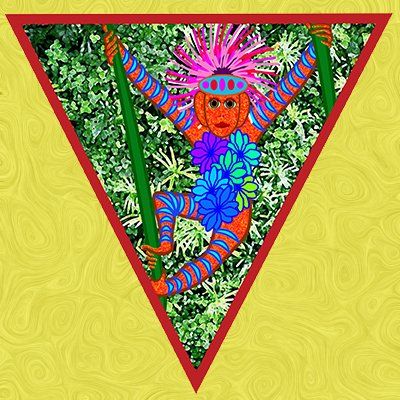
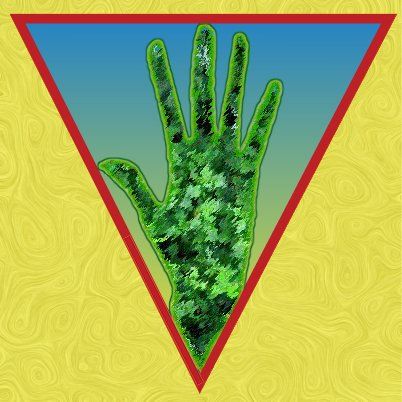
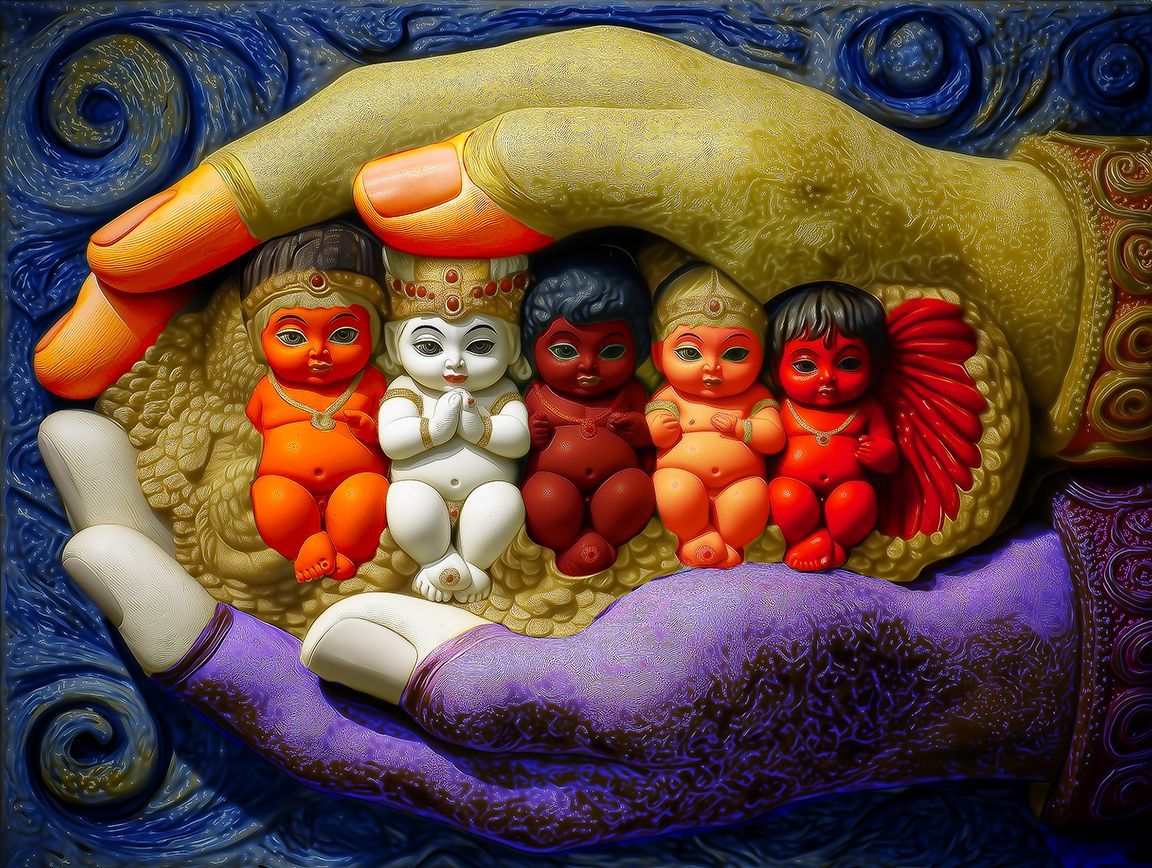
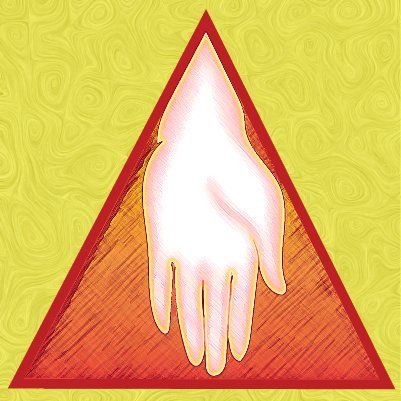
An image of all Yelda in their ‘Koru Mother’ (below) and ‘Yakku Father’ (above) hands. From left to right are: Yakku Yelda, Sumudin (Koru Yelda), Kudurapala (Koru Yelda), Field Yelda, and Danam Yelda.
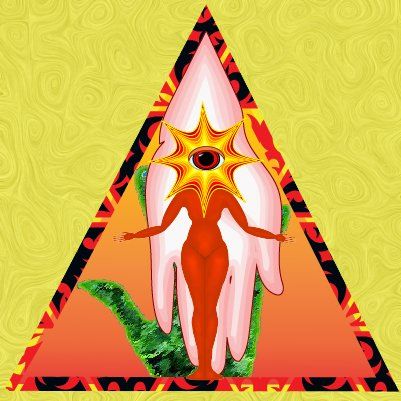
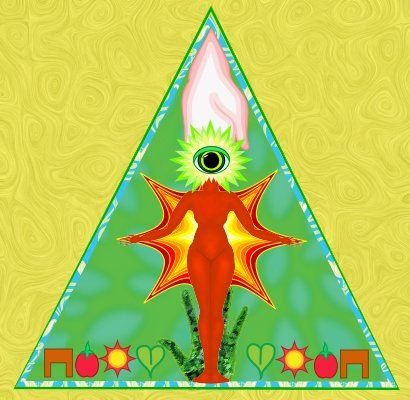
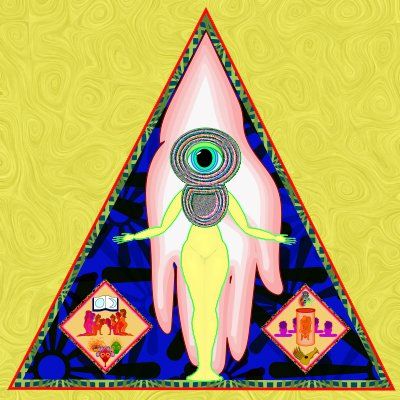
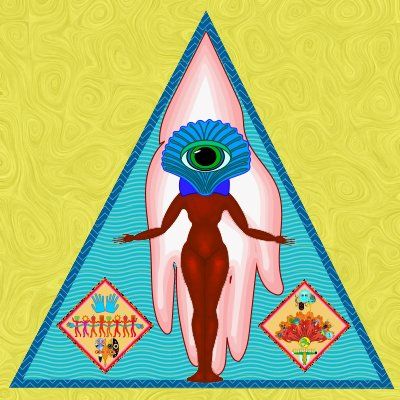
Kudurapala (Koru) Yelda
These are viewed as the ‘Second Generation’ of ‘Clarified Yelda.’ In contrast to the Sumudin, the Kudurapala are very dark-skinned and, in other ways, utterly distinctive from both Koru Yelda and the Danam Yelda of Statos-Vey. They even have a unique breed of Healing Vat on their ships.
Like the Sumudin, the Kudurapala and their Maja orient themselves with the Koru Majastas, but they mostly live on the coasts and islands off the Western Coast of Rho-Jashun. Most of Kudurapala live within the Mahamdul Naval Empire, which is based on the three large islands of Mahakomal, Mahakola, and Mahakosh. This empire traded extensively with all Anu and was a bridge between the Koru and others on Anu.
The Sumudin may be seen as emissaries and diplomats in their relations with all those outside the Koru Cluster-of-Clusters Nation. The Kudurapala are the merchants and traders serving many other interests of the Koru across the Face of Anu. Outside of Governance Ministries, they are the only population with extensive ties to the rare Invocate Clusters.