
This section covers a wide range of creatures of Tatchlan appearing in one or more Anu Awakes Series books. These living entities take various forms, have differing proportions of Tatchlan modification, and come into being at varying times. They all share the distinction of being awakened by the Living System to serve the Tolku , Koru and Danam Yeldic Cluster-of-Clusters Nations and the Yakku Regional Tree Nation. While many beings share this title, the Premier Class of Living Instrument is fundamental to the existence of the rest.
Before all else
Lustrum Mirror, Large bonded surface of reflective flesh, Focal point refuge and place of strength, Original Mirror survives with thousands more, Lustrum Mirror and the links to Dream Guides, Late Primary Epoch culture becomes early Secondary Epoch debate, Guardians forget Dream Guides, Amarel Mountain brings new appreciation and restraint
Primary Epoch remnants
Tatchlan Skin Patterning, Recovered Ones
Premier Class
Unique Creatures, Living Instrument Shell Intonation, Yom Sha, Instrument Manifests, The Link, Invocate-Instrument Link Essential
All other classes
Colonies: Healing Vat, Vat Classes, All Vats begin as Pre-Vats, Enriched Vat, Double-Ripened Vat, Mother Vat, Majastas Dissolution Vat, Multitude Dissolution Vat, Majastas absorbs vat, Vat Masters, Vat Masters employ Mother Vat eggs during emergencies, Healing Vat and Blood, Pre-Vats and Stillbirths, Vats as Anu quake warnings, Vat Circles, Salt Vats, Acoon, Sheshenara Nectar, Cohort Jelly, Shashelvan
Plants
Tuchus Vines, Larpana Time, Larpana Day Cycle, Larpana Night Cycle, Signs of coming Burning Blossom, Nara
Animals
Cousins, Shesha, Vima, Takshakutan, Lascivious Gains, Krall serves as Eye Windows, Krall in History, Ninusay Web, Vilates, Dry Vilates, Wet Vilates
Plants/Animals
Upata Bulb, Bulb monitors health through feet, Living cluster compounds, Bulbs within Tatchlan, Sixty-Four Breeds of Bulbs, Bulbs form Encirclement society, Duets, Trios, Quartets, Quintets, Sextets, Septets, and Octets, Burning Blossom protection, Scent Separations and Upata Touched
Edifice Bureau Plant/Animals
Koru Insects and Insect Societies
Yakku Instruments
Tamaroth Forests, Gidalist, Mernet Tree, Mernet Balls, Waving Arms
The Lustrum Mirror
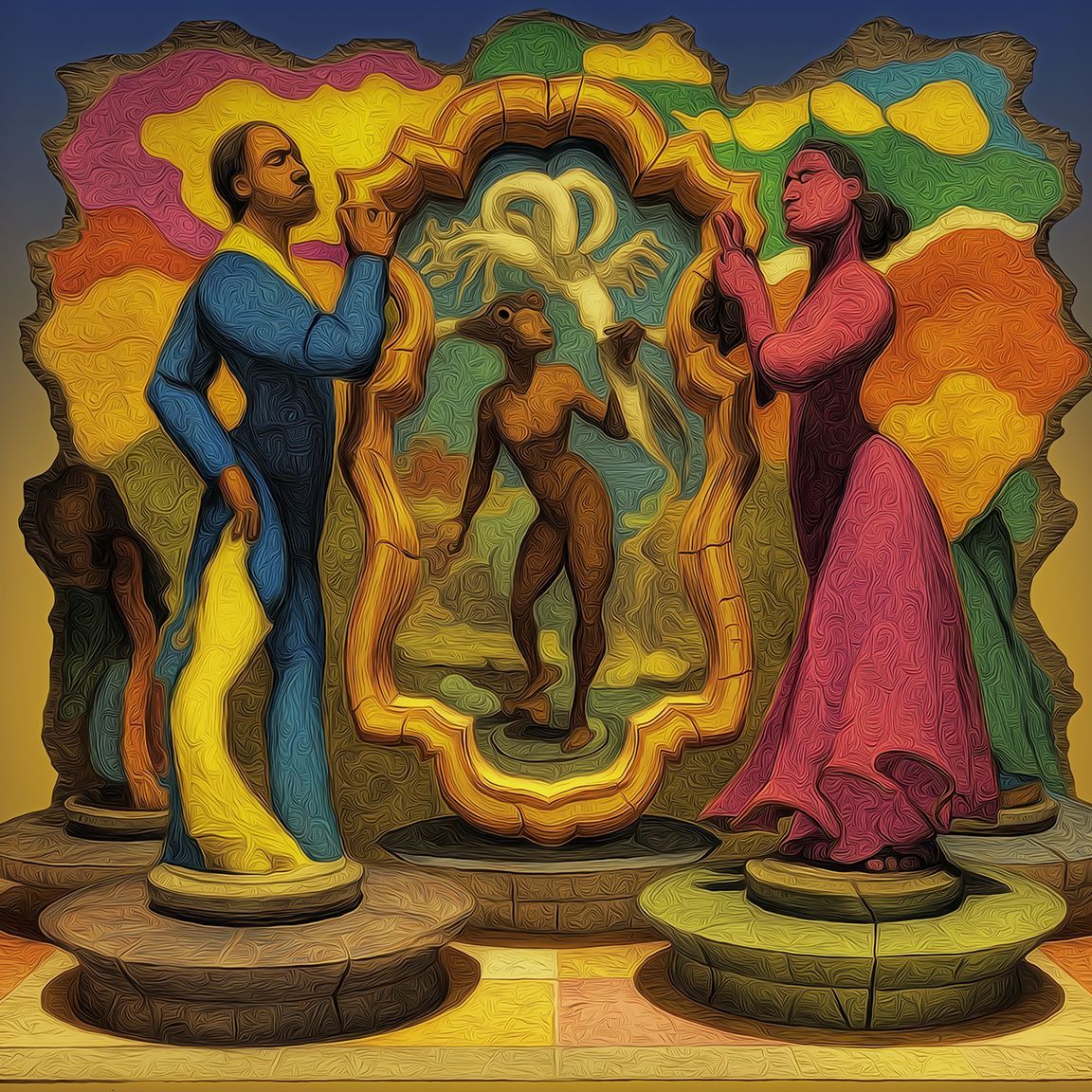
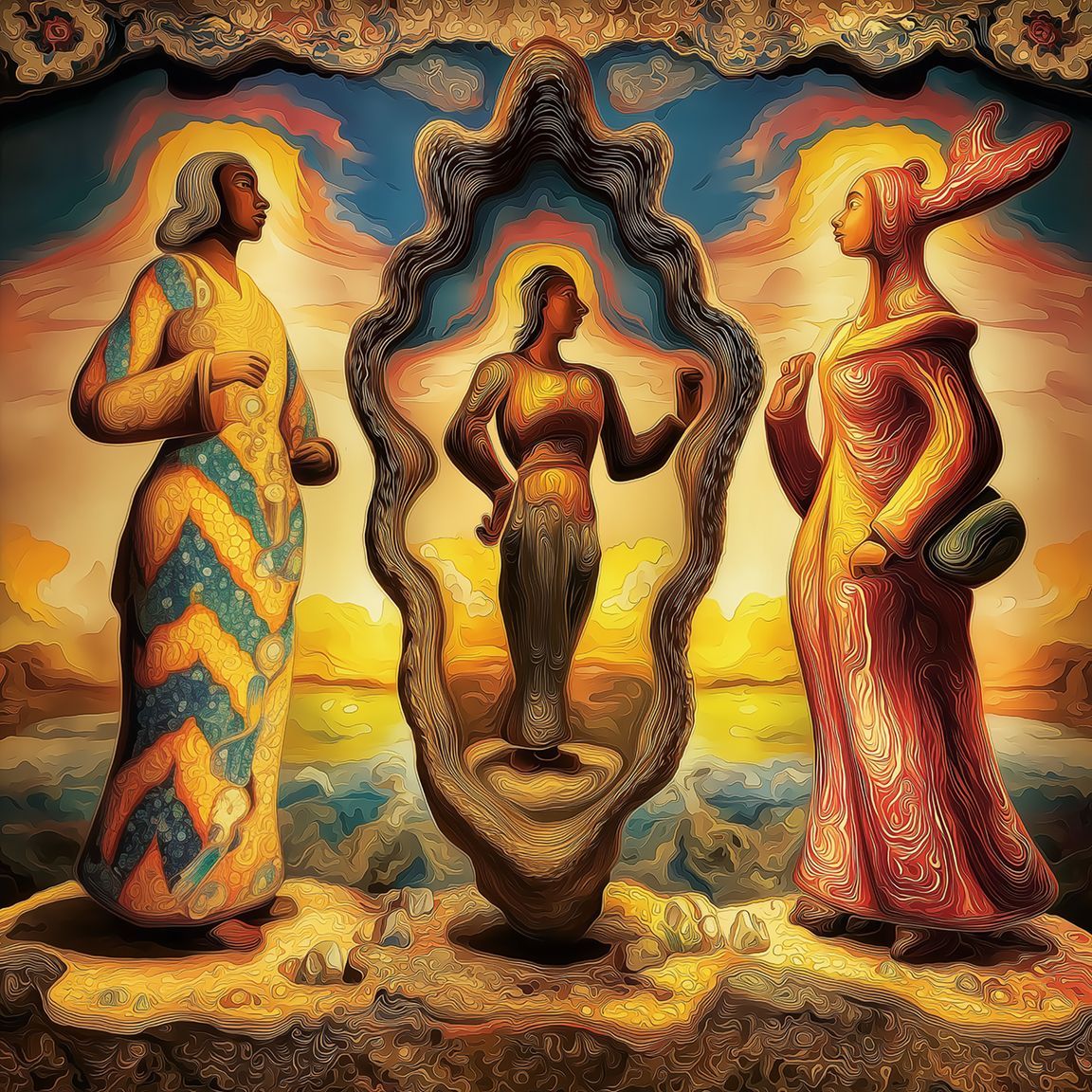
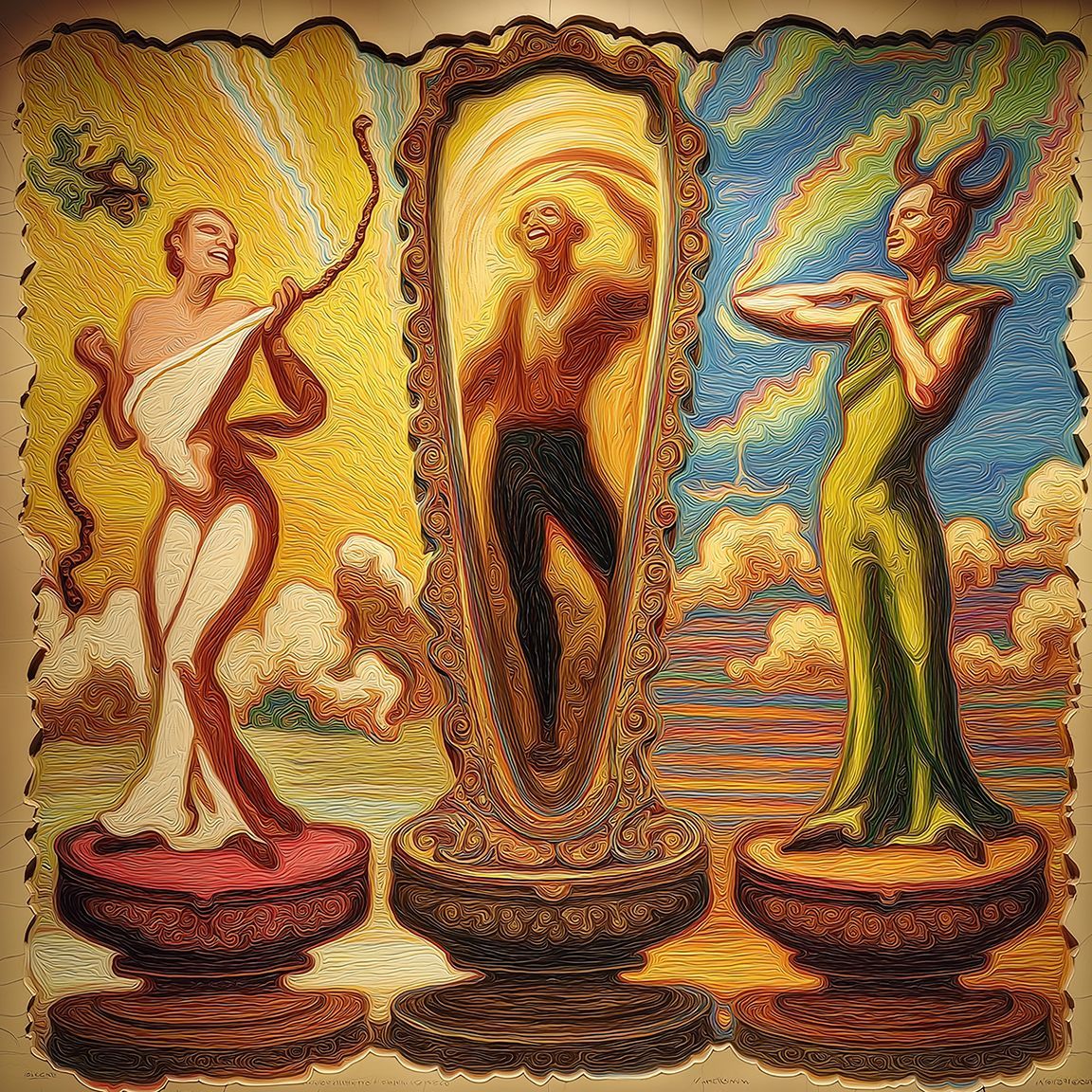
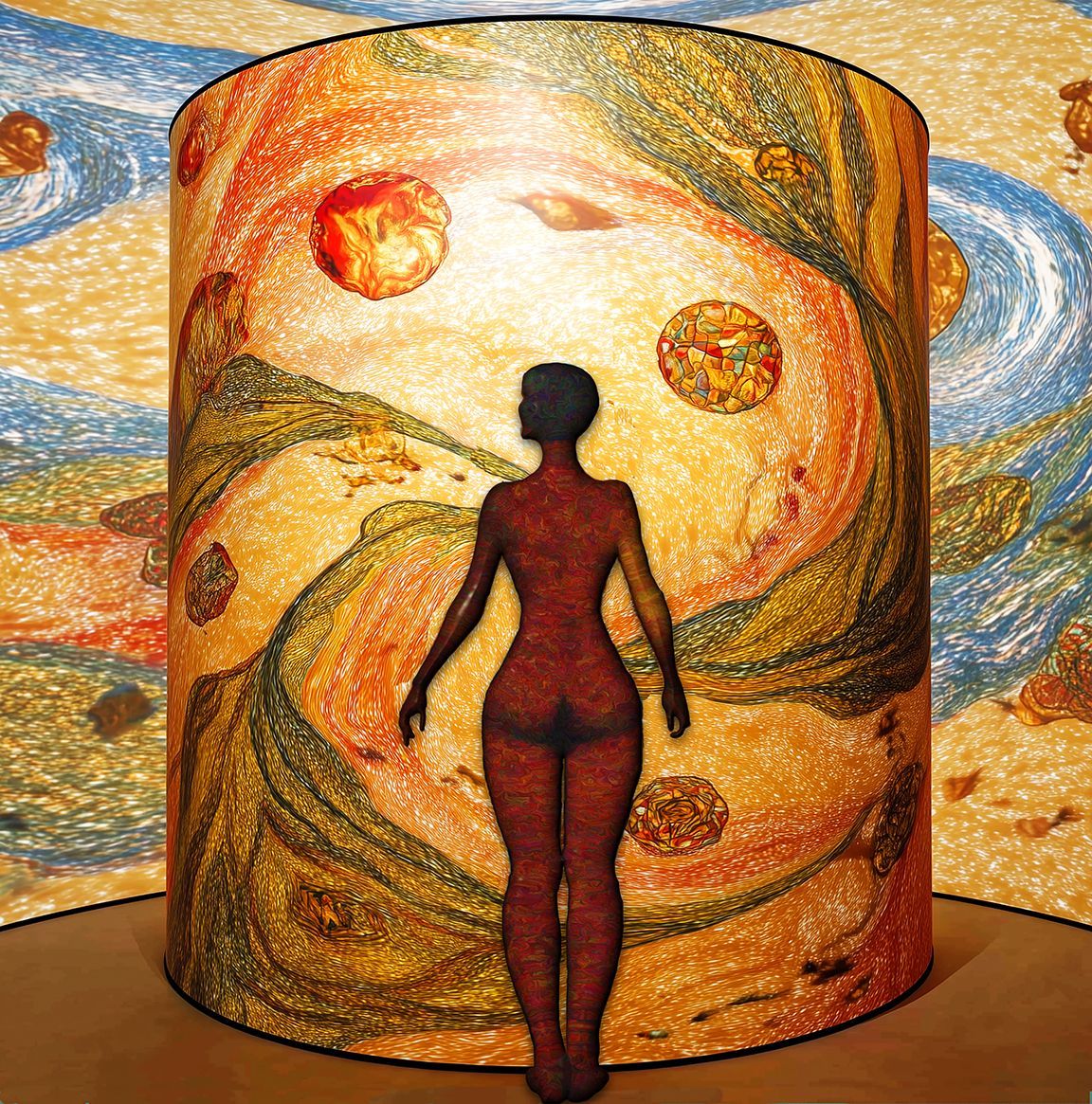
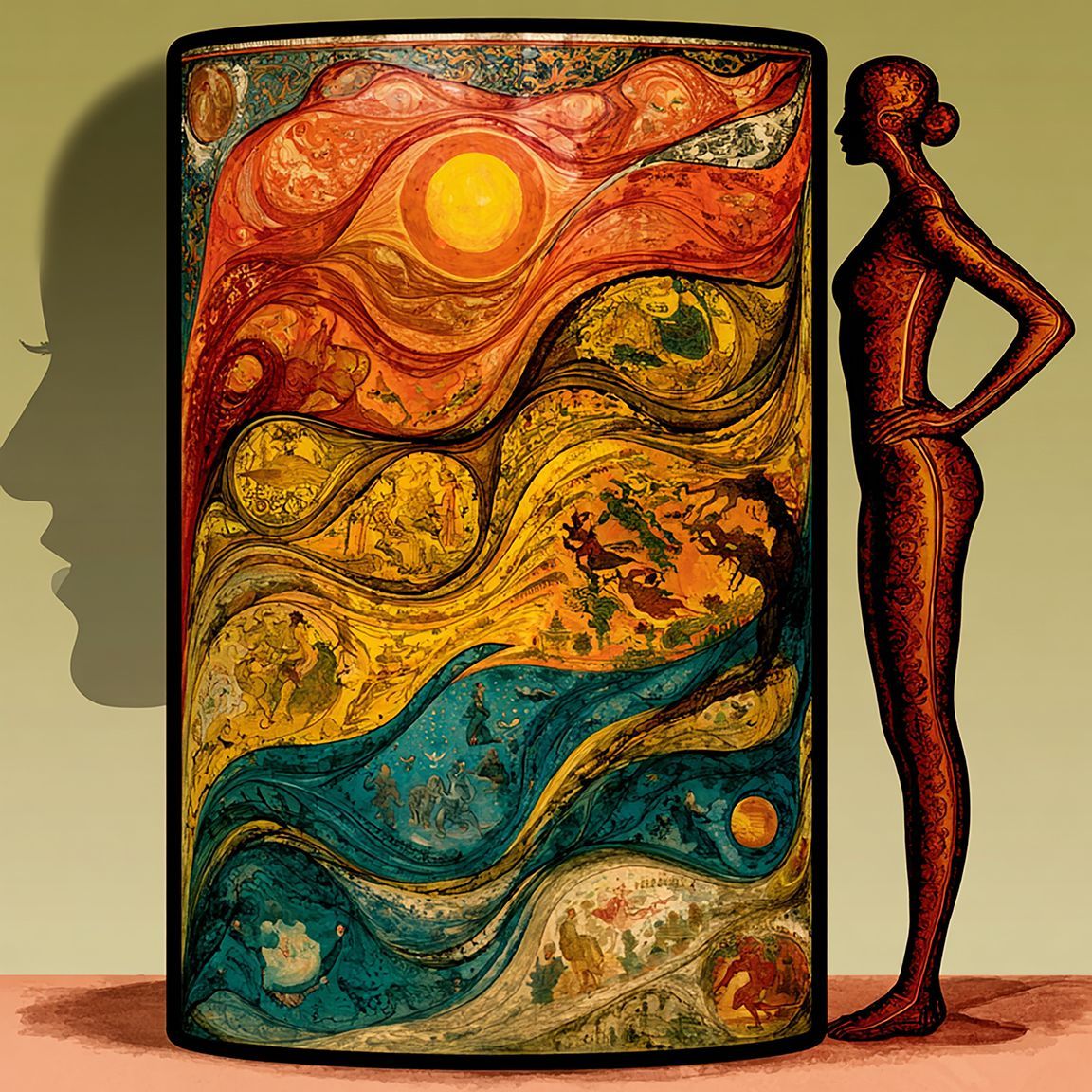
This is another familiar motif found in Koru Living Mountains and Danam Yeldic Ablution Academies. It shows two Dream Guides standing on either side of a representation of a Lustrum Mirror. Reflected in the mirror is the dreamer, taking advantage of the Lustrum's power to show in reflection where growths of Self-Absorption persist in order to remove them and throw them into the boiling lakes of Indatubangus. These powerful tools enabled the most-ancient Practicians and, later, the first Masters of the Lesser Era of the Primary Epoch, to commence their work on The General Plain and the rest of Tatchlan, overlaying Raw Life.
Those Sensitives who first delved into the inner roots of raw life saw the formidable barriers to their mission. While they had the structure of all living things to reshape, their more daunting task lay within themselves. Once they began to find each other within Indatubangus, the Realm of Raw Life, they struggled to free themselves of the legacy of blind survival, which dominated all who drew breath. Self-Absorption was life’s self-defence against the terrible indifference of the non-living and the constant threats of deprivation and pain among the living.
The result was that all life hung on a never-ending wheel of greedy mouths consuming and themselves being consumed. These first Practicians opened their eyes to the spectacle of tenuous, desperate and inflamed flesh as a blind behemoth stumbling towards oblivion. Tolku society shared this plight with the rest of life. In time, all social dealings, each noble effort, and all aspirations were degraded and undermined by Self-Absorption in what came to be known as the predictable round of its Four Generations.
Large bonded surface of reflective flesh
Eventually, they found the key they sought within the ‘Kingdom of Pain’ itself. By being of the same essence, the concentrations of self-absorption came to the surface of their inner bodies when standing on the seething surface of Indatubangus. Moreover, certain living materials, reflecting these early Master‘s faces back to them, also revealed these unsightly tubers. These reflecting elements were deemed to have an ‘affinity’ with these polyps and thus made them visible to all. It became known that reaching for these entities via these reflections allowed them to be captured in their hands and removed. This led to the earliest collective effort among this initial generation to fashion a large bonded surface of this reflective flesh. Those standing before it found they could make an inventory of all pockets of self-absorption and remove and cast them away one at a time. On rare occasions, this Mirror claimed particular items for themselves, pulling them in like a Consumption Monolith. In this way, the Lustrum Mirror, the first defining work of the emerging Tatchlan Masters, came to be.
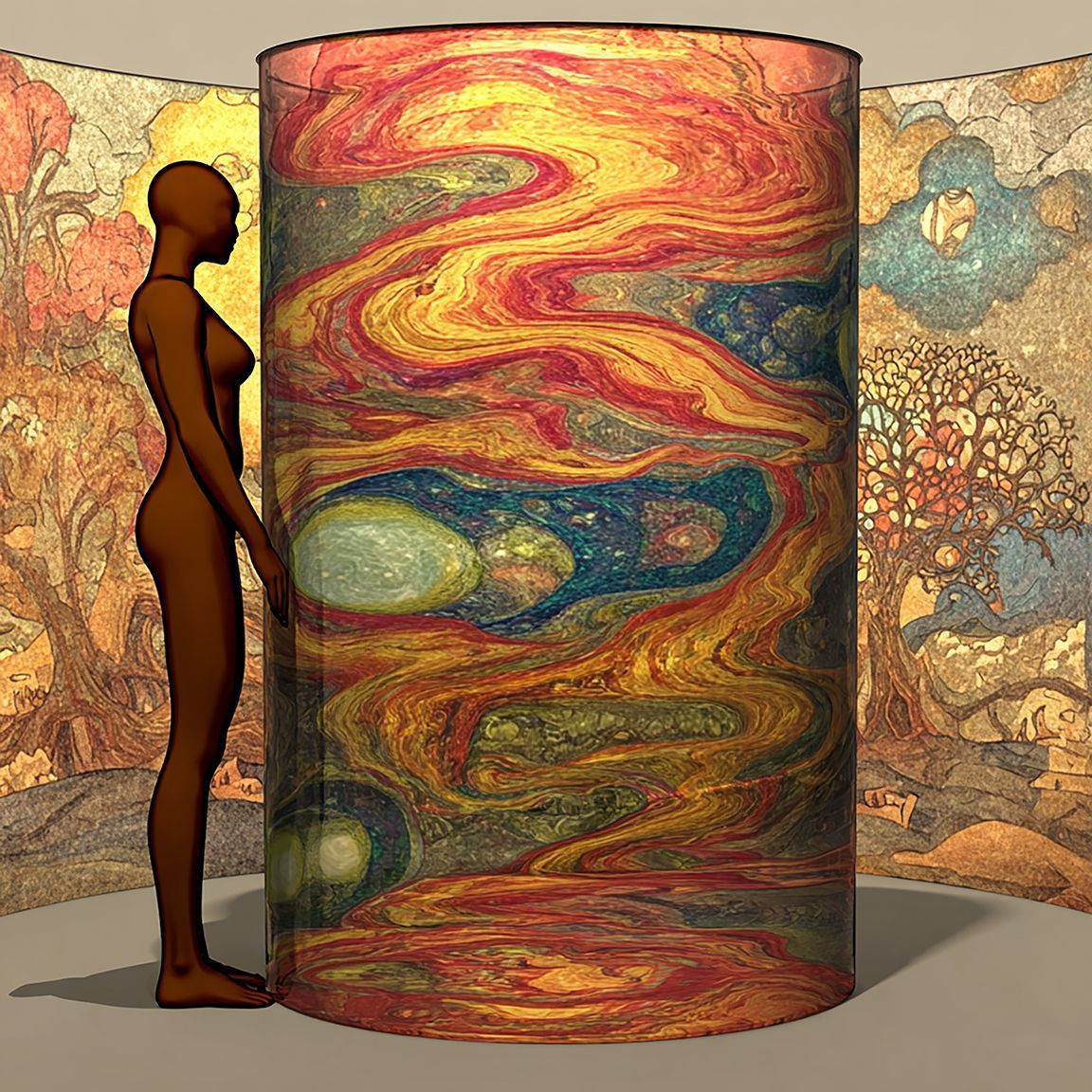
While an accurate representation of the Healing Vats and their Doubles, it must be noted here that these are more recent representations of Yeldic Doubles and their Vats. Healing Vats are seldom outside their sheltering cluster, meaning, like all other cluster mates, Doubles approach their vats naked.
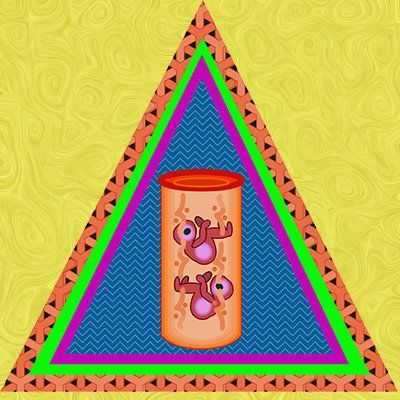
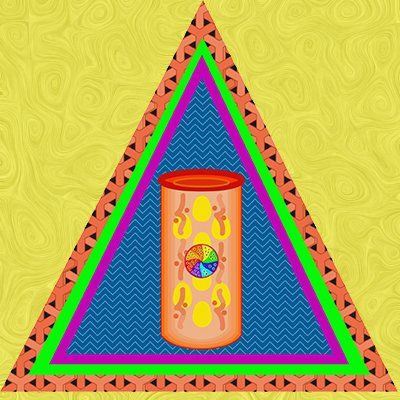
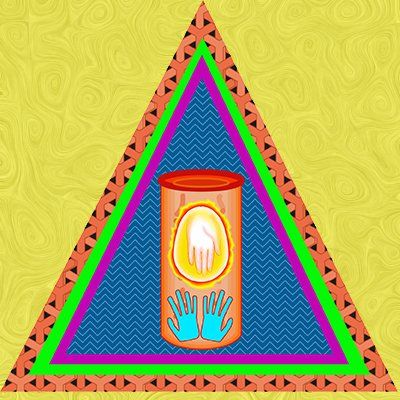
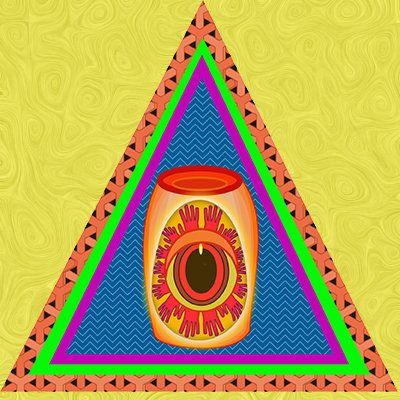
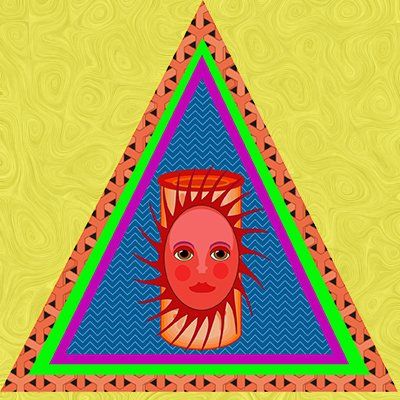
Majastas absorbs vat
While all Majastas briefly submerge portions of their Precious Bodies in vats to enrich them, and all float after their deaths, it is rare for a living Majastas to be completely submerged. By their Healing Blood, most Majastas seldom require such treatment. Under rare circumstances, often associated with a Burning Blossom Cycle or other direful events, Majastas may find themselves needing this service. Details of what subsequently transpires, while well documented, are seldom spoken of outside of the Majastas Cluster and select ministries. All announcements are made long after the ceremony is completed.
Simply stated, during this exceptional rite, the Majastas absorb the vat. Once the Majastas is immersed, a unique set of reactions occurs inside the skin membrane as it turns red with Majastas Blood. This is the only other time known as the ‘Offering Crown,’ usually only witnessed with their
Double’s Conclusive Offering, which extends beyond the lip.
Given that this is a single body, not an entire Circle of Eight, this is another signifier of the unique nature of this event. These manifestations are followed by the outer body wavering before shrinking to form the contours of the one inside it. Depending on the circumstances and malady ailing the Majastas, this astonishing transmutation may take place over a brief to an extended period. Once complete, all that remains is the Majastas, now covered in a glistening red coating that gradually diminishes to reveal a more extensive, rounder body. Tradition dictates a larger set of vestments as what they wore before will no longer fit. In a few cases, particularly with Majastas Betweens, they may now commence the process of growing into Giants over the following decade. In time, all residue of the vat sinks beneath the surface of the sleek new skin of the Majastas.
Numerous instances of this novel event occur with the Koru Majastas' first dynasties before the Danam Yelda's emergence and the generation of their Mantle. Only the most ancient and venerable of vats, often possessing specialties deemed needful for this unique situation, are chosen for this honour.
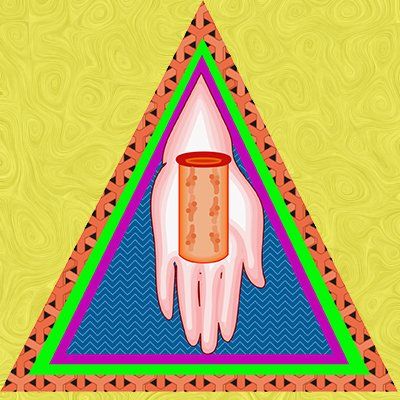
Vat Masters
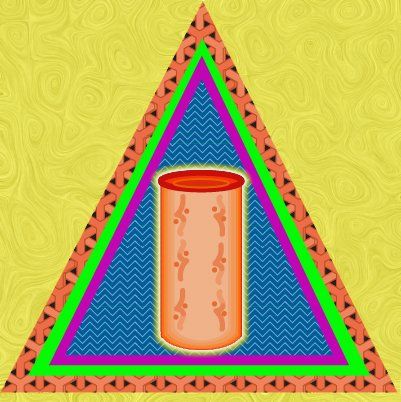
These specialized clusters serve the Doubles and Vats Bureau of the Wellbeing Ministry within Farmer Enclaves. Their primary use is in the sheltering and nurturance of Cohort Doubles and their pre-vats, followed by subsequent generations tending to the Ripened Mother Vats and the timely distribution of their eggs to new Doubles. In addition to the precious Egg, other materials are sent, including an ornate glass cylinder containing a small quantity of Phantasm Spume for eventual use in the Double’s Conclusive Offering.
Elder Doubles within Farmer Enclaves, superintending this work and directing multiple initiatives, are given the title Pomona Elders. This is to honour the ancient Koru Pomona Clusters who brought the first Healing Vats into being during The Interim. In a single generation, many Operants and Doubles dwelling within Mount Rongu’s Chandara Grotto compressed the work of millennia into their fleeting lifespans to bring this new wonder to Anu. As such, this is seen as one of the deepest attainments of the Koru, profoundly impacting all future generations.
Vat Masters employ Mother Vat eggs during emergencies
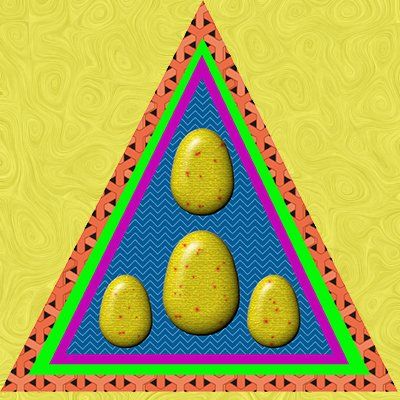
On rare occasions, the Wellbeing Ministry is called on to address unusual circumstances within a cluster's Double and Healing Vat population. One such crisis is when a Double dies some distance away and cannot be returned in time, or her body is severely damaged or lost. Her customary Conclusive Offering to her Vat must be overseen by Vat Masters using what are termed ‘neutral’ eggs from Mother Vats. Such eggs may be produced quickly within their Farmer Enclaves, expediting their arrival to the affected cluster. Blood offerings of all or most members of her Circle-of-Eight and as many Maja and other Spokes of the Cluster Wheel of the deceased Double's cluster as possible are immediately fed to these eggs before they take the place of the missing body in the offering. This is an intricate operation. Great care is taken in the work and how it affects the cluster.

Acoon
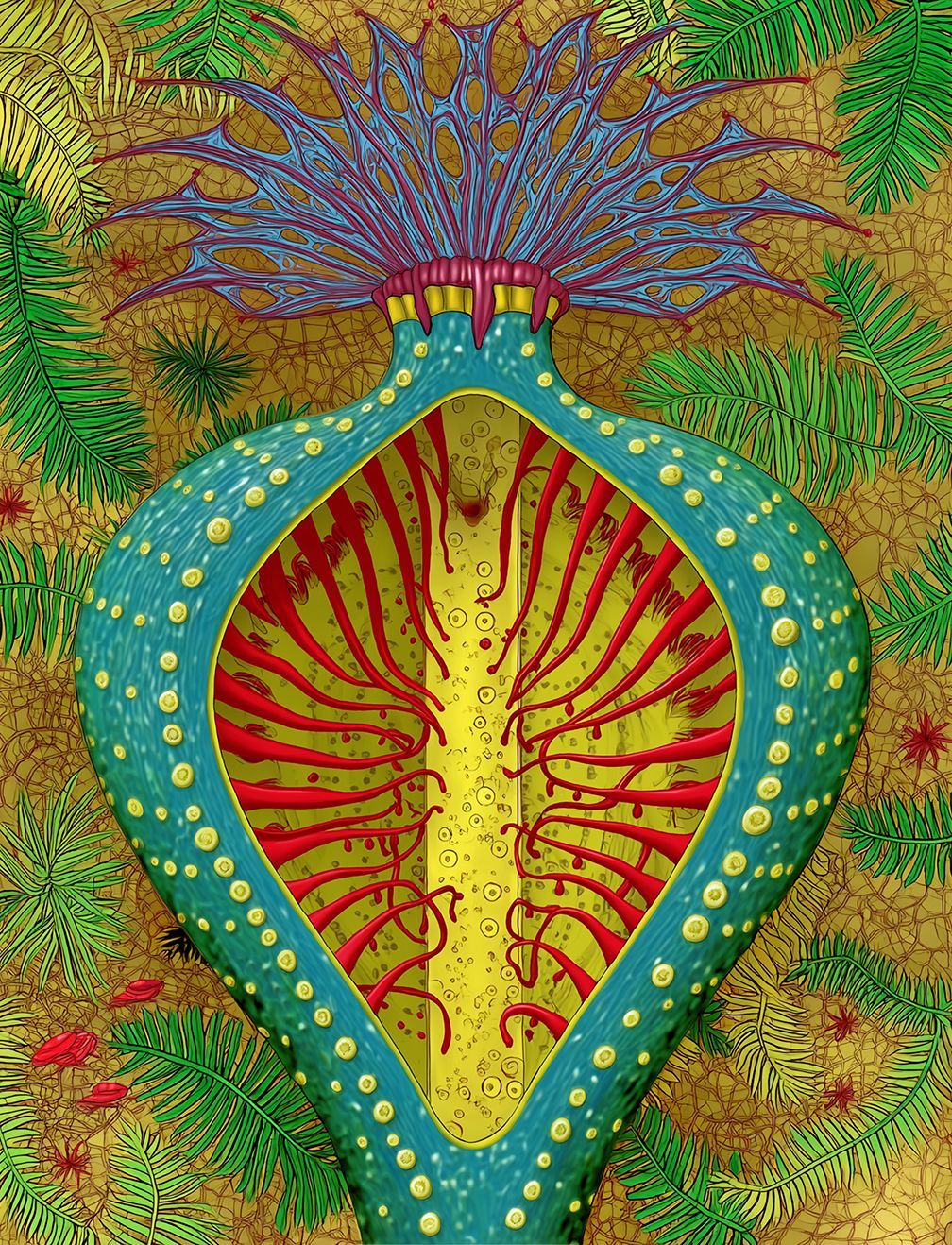
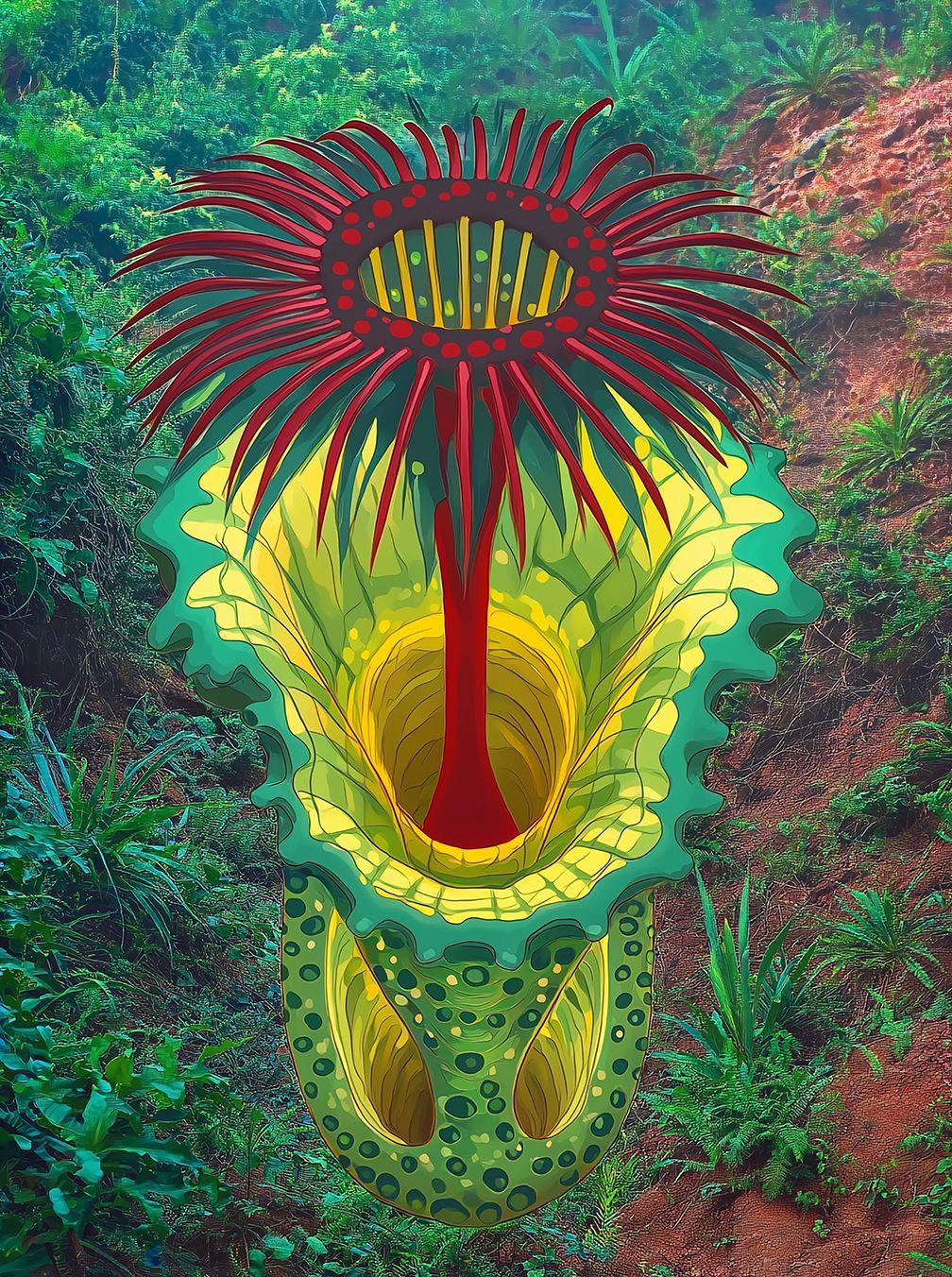
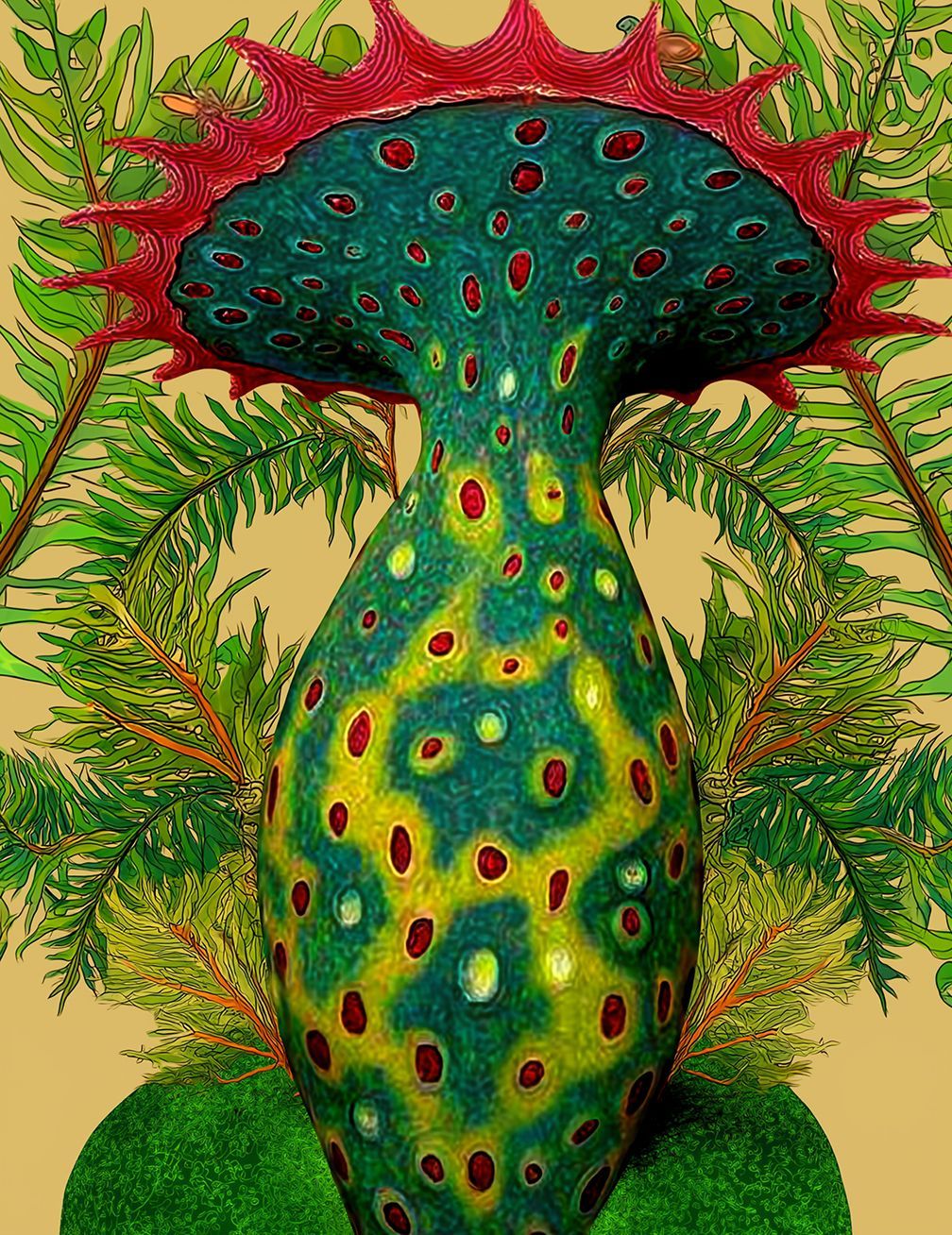
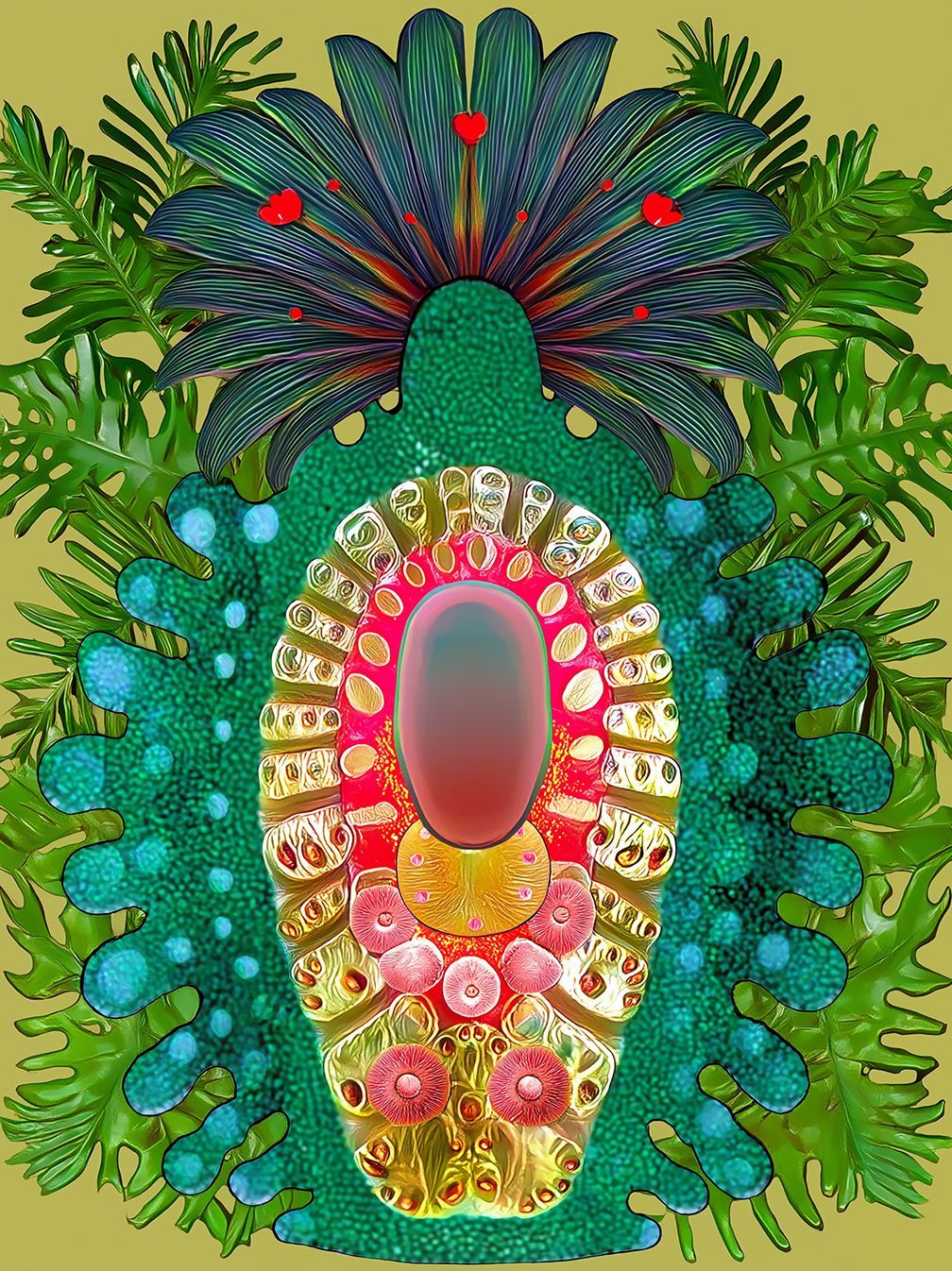
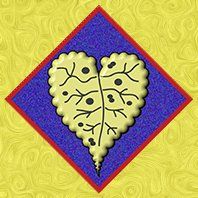
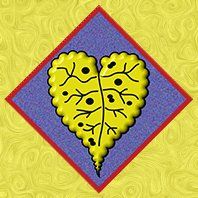
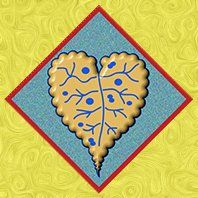
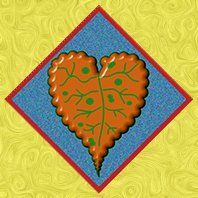
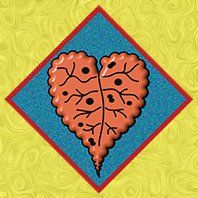
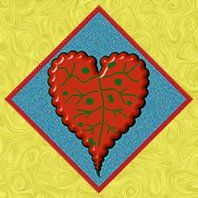
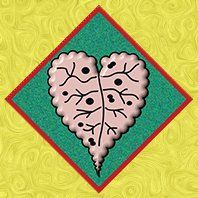
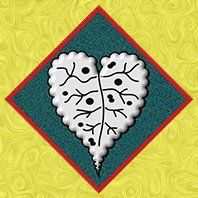
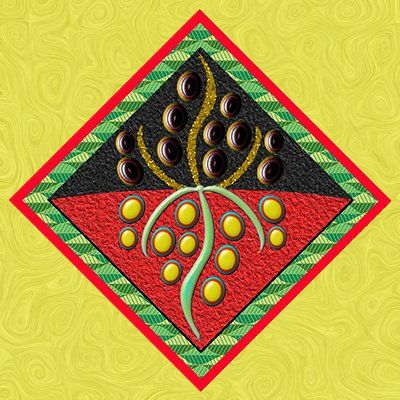
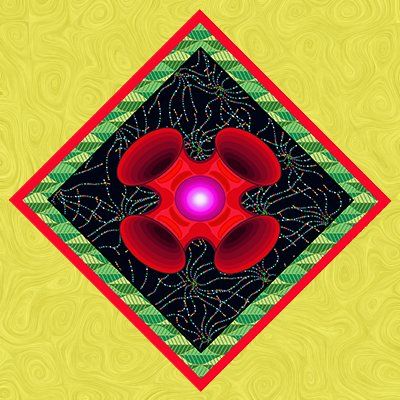
While the Upata Bulb comes first to mind among the glories of the Danam Yelda, the Acoon deserves equal honour for its profound service in addressing mental and emotional ills that Healing Vats cannot attend to. The popular artwork shown here varies widely, reflecting both the complexity of these creatures and the profound experiences of those immersed in them. The fourth image here has many forms and is agreed to well represent what it is like to ‘float within the archway.’
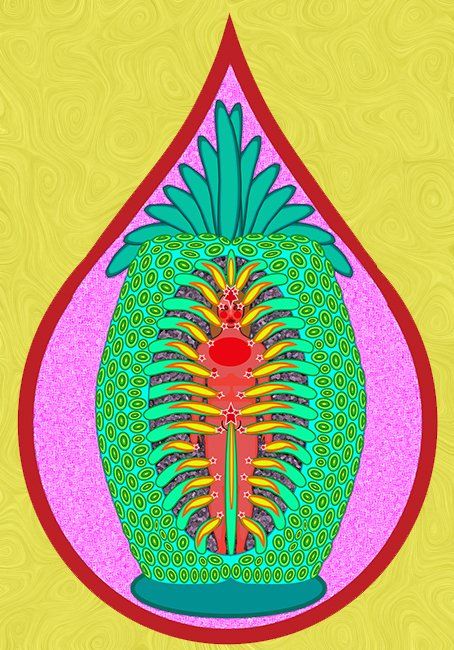
This is also known by many names, including ‘Comfort,’ ‘Nurse,’ and ‘Treasured Delight.’ These accolades are entirely due to its transformation within the Living System. In its original raw state, it held a suite of potent juices, ranging from intense Vision Windows to poisons ranking alongside the deadly hairs of the Toohund. As seen below, its feeding habits are not unlike those of the Bowvow Tree. The Acoon had continually inhabited the jungles of central Statos-Vey and Southern Rho-Jashun. There are most-ancient references to their presence at one time in southeastern Thermistal, but no longer.
Unlike the Toohund, the Acoon was located within Tatchlan early in thePrimary Epoch and possessed a steady presence. The Tolku long laboured on this complex entity to transmute what is known as the ‘Acoon Nostrum’ into potent medicines. The Koru of the Secondary Epoch continued the work, seeing the Acoon as exhibiting a unique potential to heal on multiple levels.
It took the renowned Yeldic Majastas Multitude Sheshisana X, who Honoured Historians now confirm was also a ‘ Genius of Unplumbed Depths’ of the Cluster-of-Cluster Nation’s Living Jewels classification, to gather the many threads of generational work and weave them into a radically different form to remodel this fascinating being into the wonder it is today.
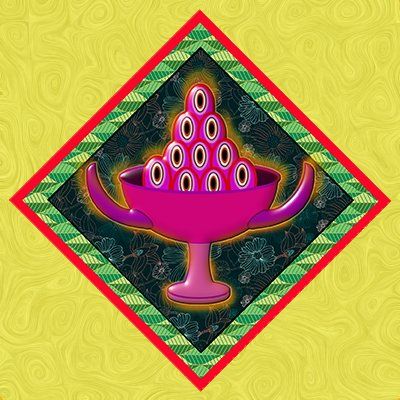
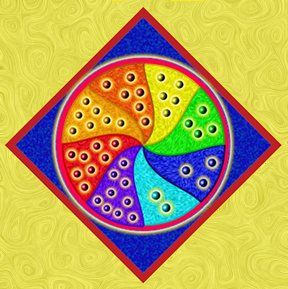
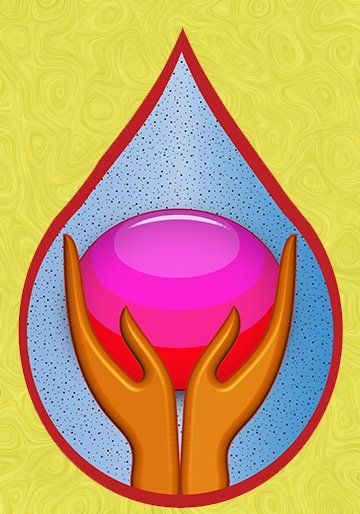
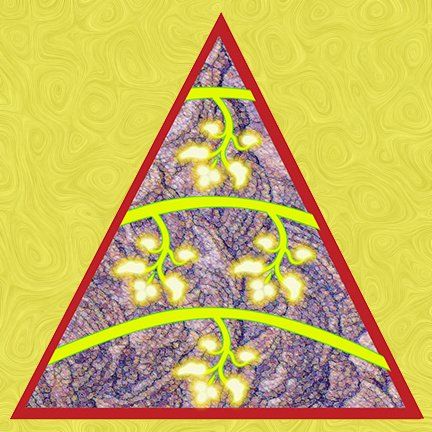
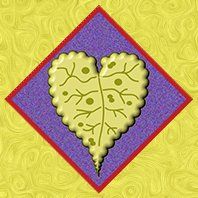
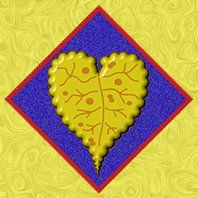
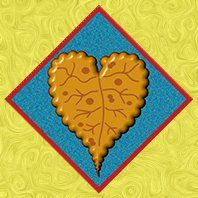
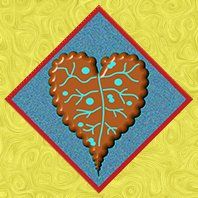
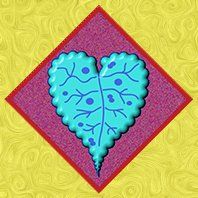
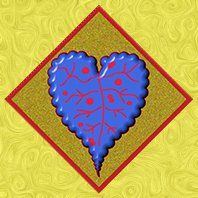
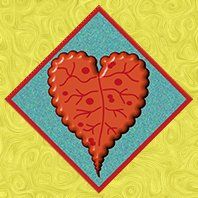
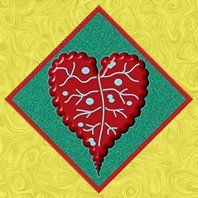
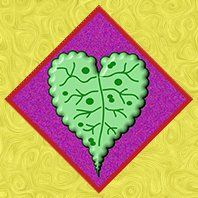
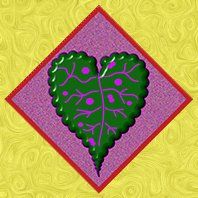
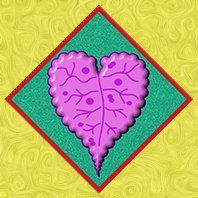
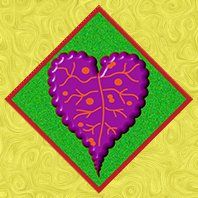
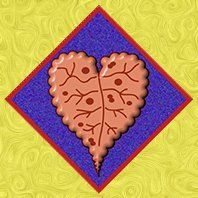
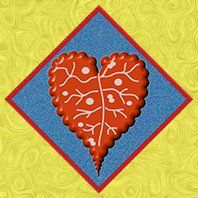
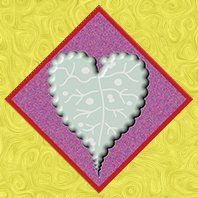
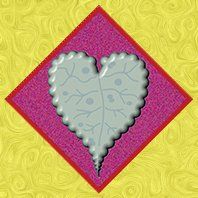
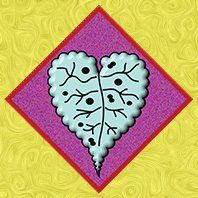
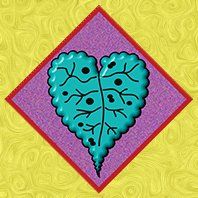
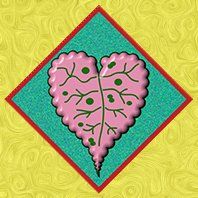
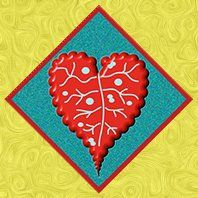
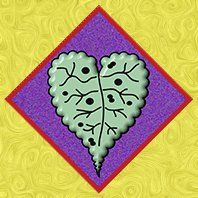
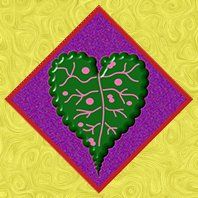
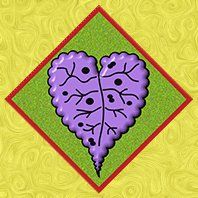
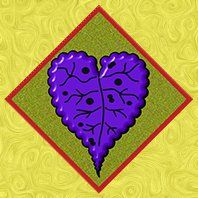
Krall serves as Eye Windows
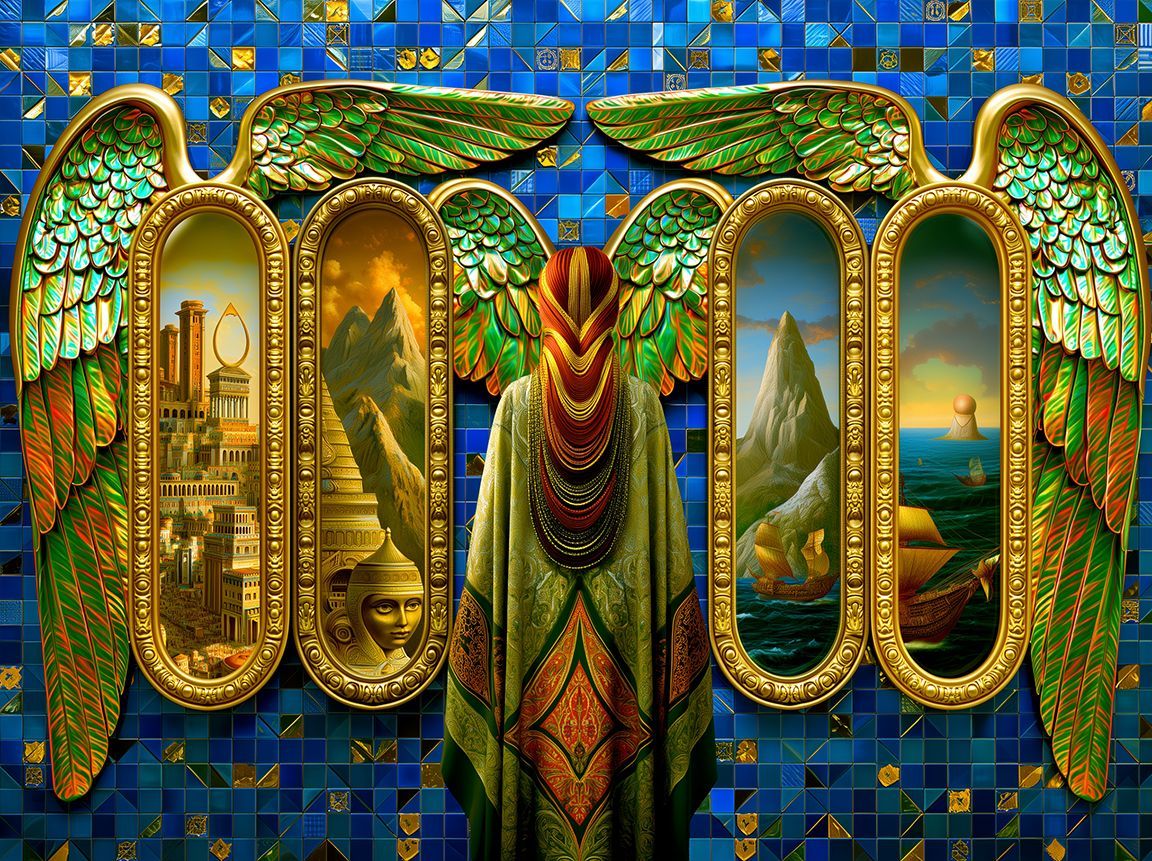
This Dictum Art installation in an Ablution Academy is meant to symbolize an Operant, or perhaps a Superior Operant, viewing four different locations on Anu through what are known as ‘Eye Windows.’ While artistic conventions vary, there is agreement that these windows always bear the shining green wings of the Krall. Generational Plans during the Primary Epoch saw the ubiquitous Krall, a large seabird with a huge range across Statos-Vey and, to a lesser extent, the rest of Anu, heavily modified within Tatchlan in order to project what they see into these Living Instruments. While mature Invocates may locate specific Eye Windows by region, Operants can gather several together and order them by a wide variety of criteria. There are oblique references suggesting that some Majastas have gathered a hundred or more to witness a complex situation unfold across continents in real time.
Living within large flocks capable of extraordinary mass displays, these birds were habituated to waterways and seashores in their raw state. The Tolku Masters significantly modified them for Tatchlan long before The Greater Era of the Primary Epoch, in particular, to serve as ‘eyes’ for others to see events at great distances. Their eyes appear as oblong winged windows within Tatchlan. By approaching and looking through these ‘Eye Windows,’ they can, with time and skill, see what a select group of Krall is. The Majastas alone may bring these Eyes together and simultaneously look at what the Krall see everywhere on Anu.
In modern times, powerful and skilled Operants can discern dominant trends through these Eye Windows and direct birds to specific locations. The reigning Majastas may pull visions from particular areas to view what takes place anywhere on the Skin of Anu and may move entire flocks. The Majastas can also form ‘one mind’ and direct large groups to perform specific tasks.
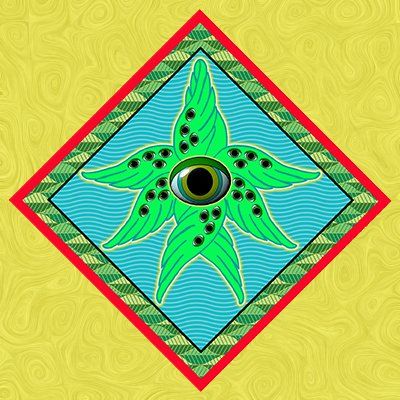
Their icon is another example of a very early Primary Epoch working. It displays a symbolic narrative of their being winged Eyes with the Majastas Eye guiding them at their core. This emphasizes how powerful and central a tool they were for the most-ancient Tolku and modern Koru and Yelda. How the Krall manifests within Tatchlan is somewhat different, being an oblong disk with a green wing attached at either end—hundreds of these float in slow circles within the Living System. Any Operant and many senior Invocates, skilled in their use, may seek out distant happenings with them.
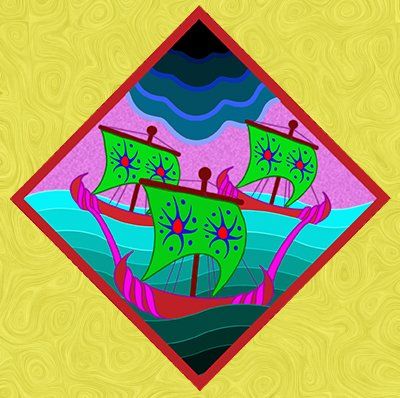
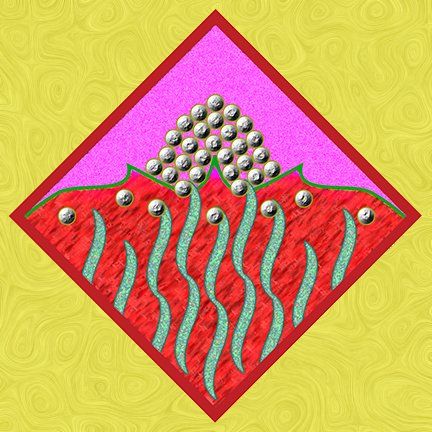
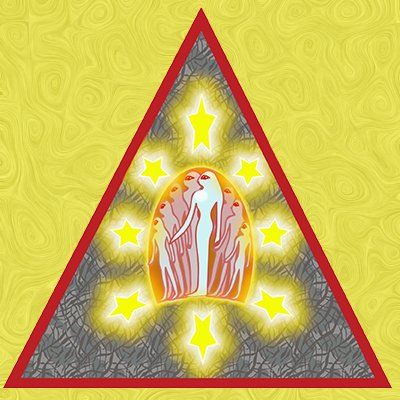
Upata Bulb or Bud
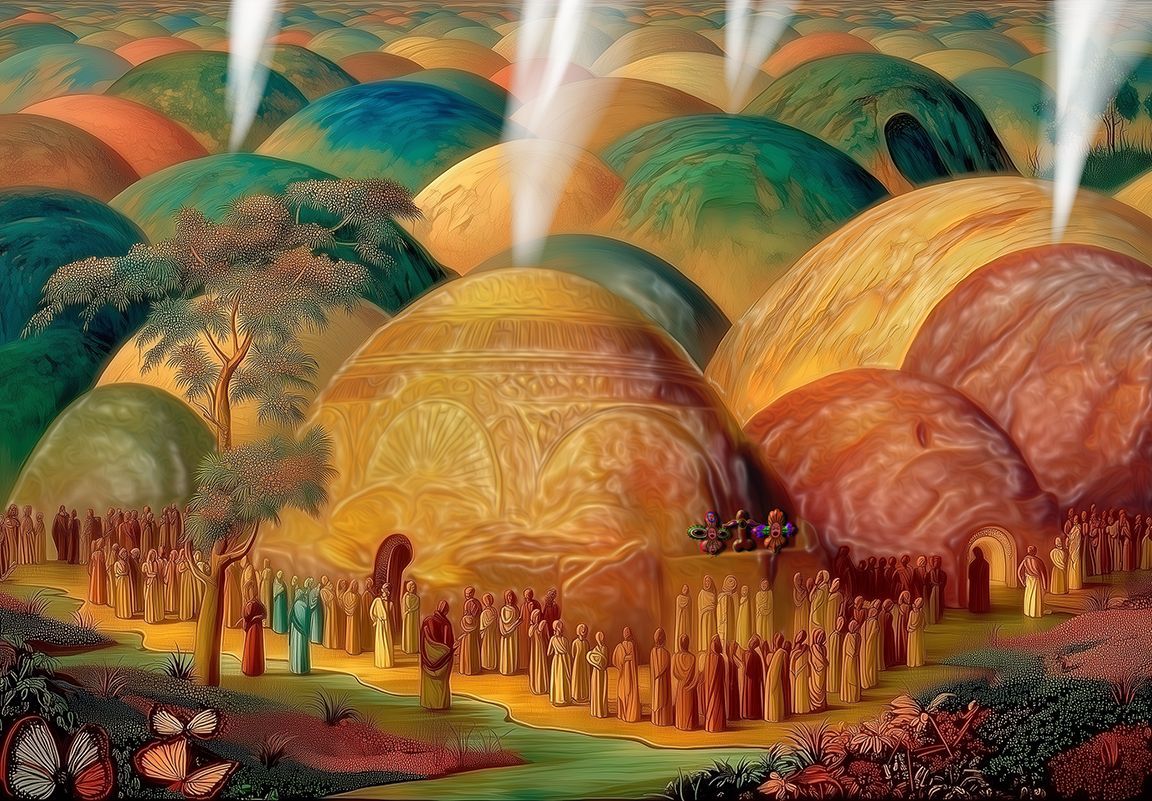
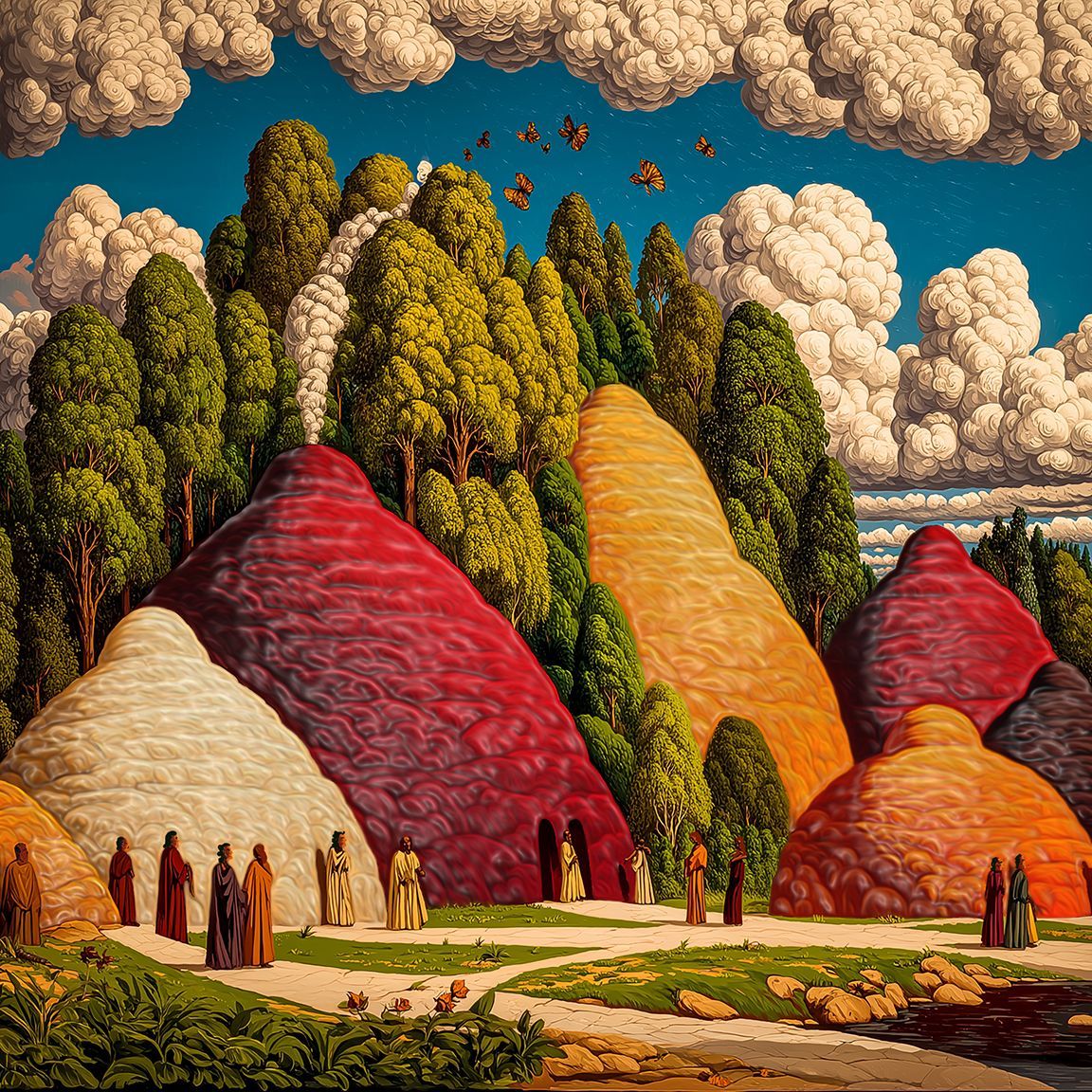
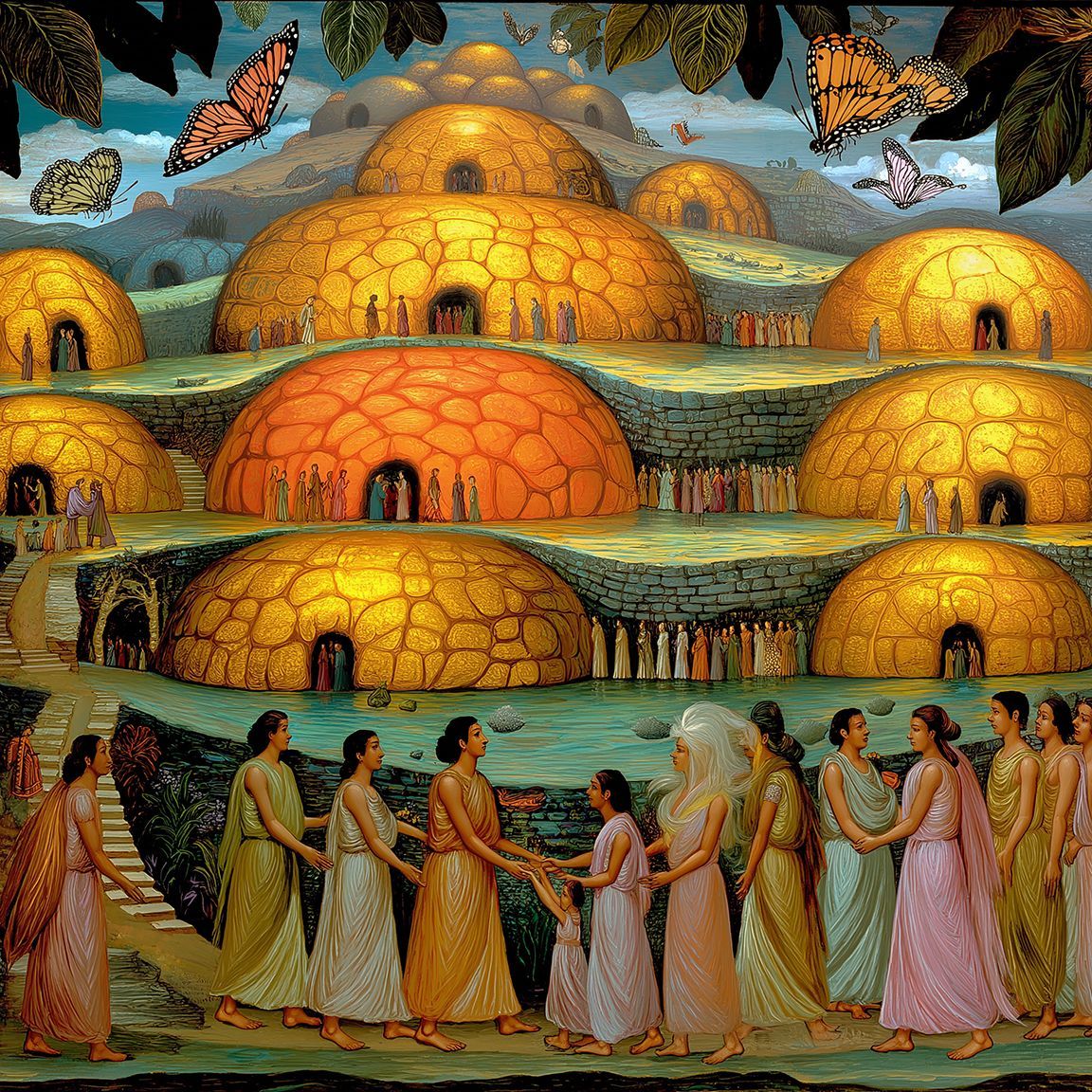
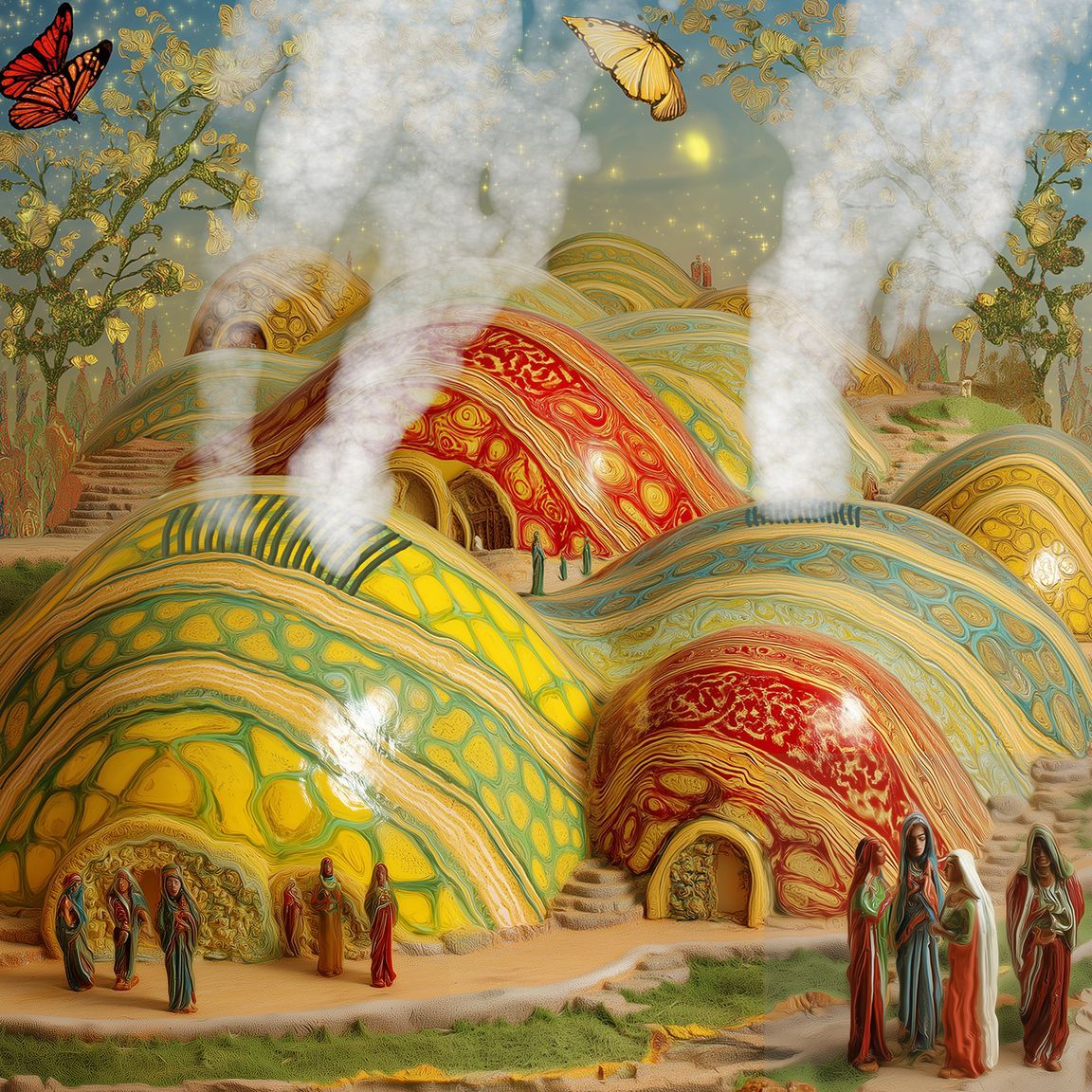
It is impossible to overstate the importance of the Upata Bulb from the midpoint of the Secondary Epoch. As the Koru have their crowning achievement in the perfection of the Danam Yelda, the Danam Yelda's greatest legacy is these versatile living shelters for all clusters. These images are a small sampling of the 64 varieties and showcase the magnificence and glory of the Emaxul Age. While countless generations worked toward this end, it was the Rota of Upata Majastas Mothers who realized this dream. The presence of butterflies and other insects is a convention that refers to their savoury-sweet aromas. Chief among its many striking attributes is its ability to withstand Burning Blossom Cycles, allowing for all within them to shelter in place.
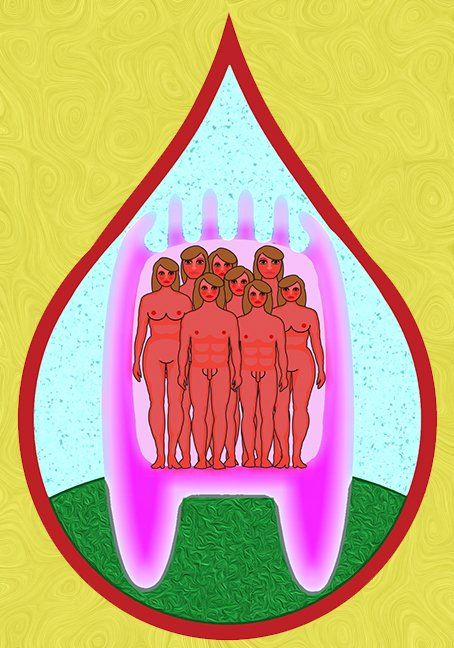
Also known as The Cluster Bulb or Bud, they are beings formed and perfected by a series of Danam Yeldic Majastas over much of the Yeldic Nantu and Emaxul ages, called the ‘Rota of Upata Majastas Mothers.’
They are living dwellings for clusters and serve as vital protection during the destructive cycles of the Burning Blossom, and their interiors are hollow for the cluster to dwell. The roof comprises gills that regularly exchange air while minimizing the loss of cluster aroma. They store water, grow food and process waste.
Upata Bulbs are the most massive and, at the same time, intimate of all Living Instruments. Their walls are elastic and pliable to the cluster’s wishes. Openings may be made from the inside and closed again. Their flesh will easily separate from and merge with other bulbs to create composite living interiors for groups of one or more clusters, large or small.
Due to all clusters coming to live within these bulbs, the faces of all Danam Yeldic Provincial Centres have changed. The former orderly grid system of roadways gives way to a labyrinth of alleyways between constantly shifting Upata living walls.
Its primary service is as a permanent, living cluster compound, deeply sensitive to and responsive to its host cluster’s needs. This new living entity is highly specialized and adaptive to changing circumstances because it contains a sufficiently complex series of internal senses. Under normal circumstances, a Upata Bulb is expected to live between two to four centuries.
This Danam Yeldic Icon depicts a single Circle of Eight within a symbolic Upata Bulb. Except for a new circle of eight, most of these would also include pre-adults and Fresh Adults, but only Ripe Adults are counted in the Cluster Grade. The actual Bulb is far more abundant, the smallest able to house the First Grade of clusters, being eight circles of eight. It has more than two roots and may form a variety of shapes. They generally form a lateral ‘teardrop’ with an oval with a more extensive section at one end and a narrower section at the other. The traditional ‘four gates’ are maintained but not fixed, as the bulb shifts and changes shape over time due to cluster modification and its whims. It is worth noting that the gills are fully open in this image, which is rare and usually occurs only at night. Venting may occur during the day to regulate temperature and humidity. During a Burning Blossom, the gills fold over each other, forming a barrier against Nu’s Burning Eye.
Burning Blossom protection
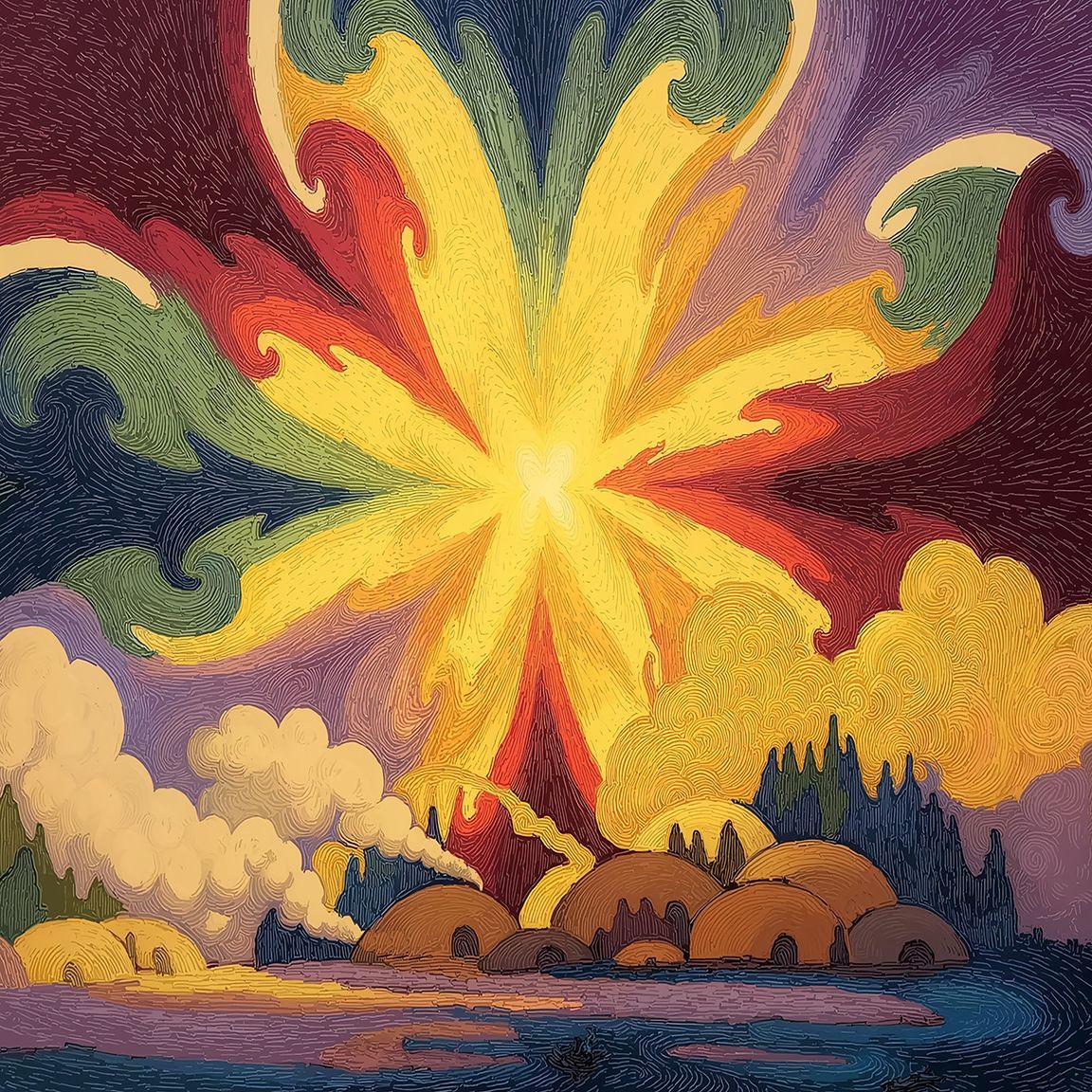

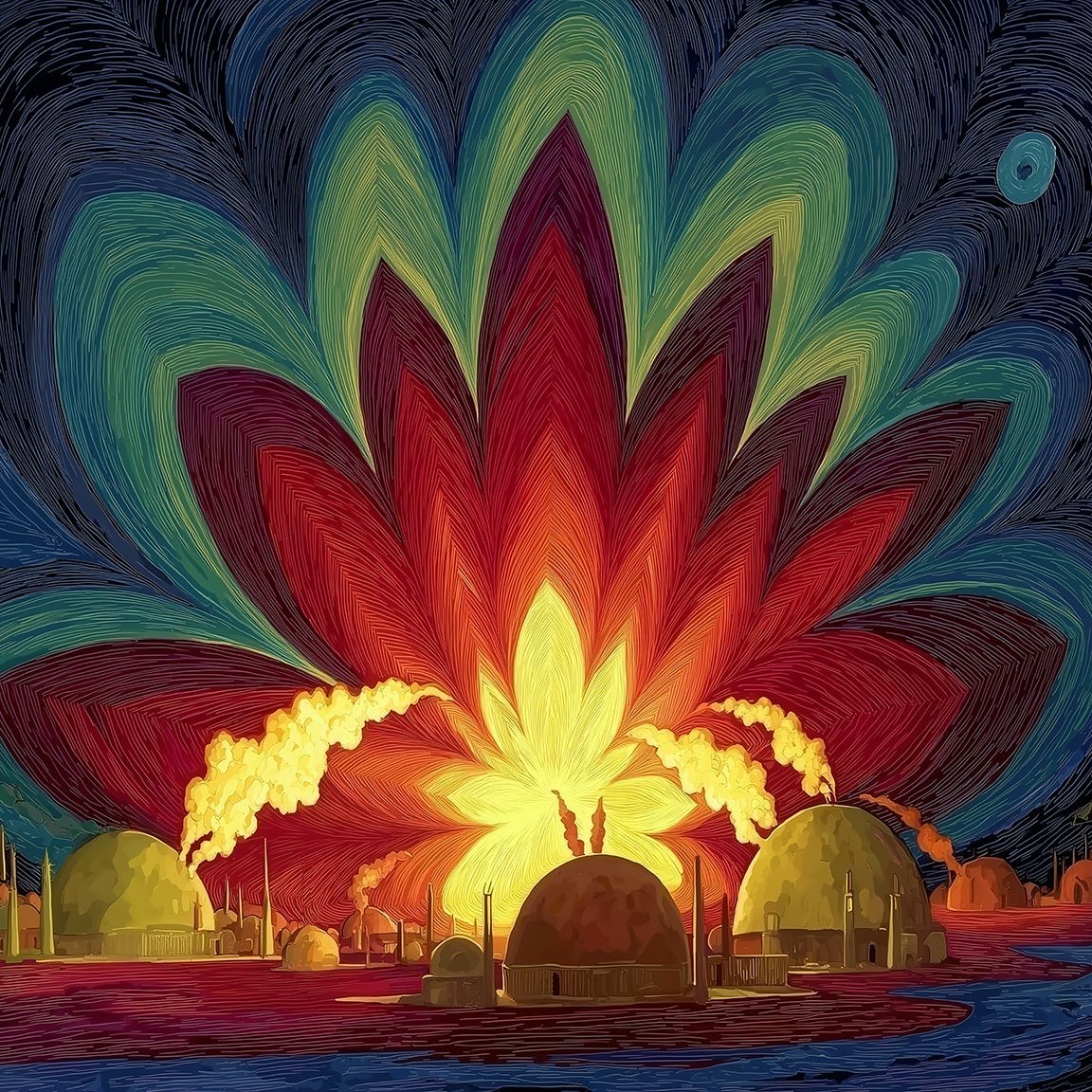
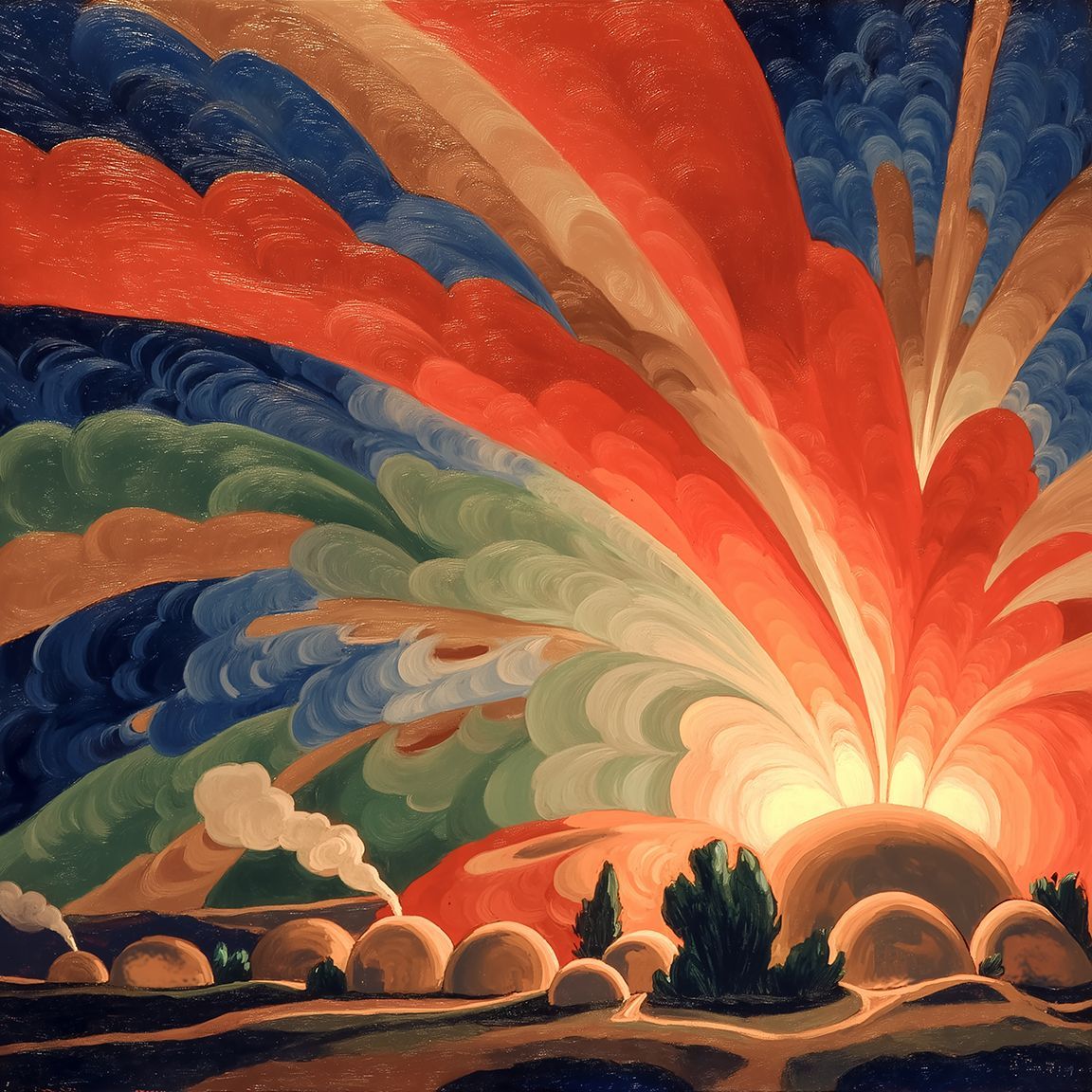
Public art of the Burning Blossom during the Secondary Epoch was largely unknown during the Nantu Age of the Danam Yelda. It was only with the establishment of the Upata Bulb as the protective cluster residence during the Emaxul Age that an unspoken taboo was lifted and renditions were made at the time and after these exceedingly rare occurrences. Thus, most of these portrayals also feature Upata Bulbs successfully withstanding the worst of the Full Burning Blossom Cycles. The Venerable Koru, who were far more vulnerable to this terrible Crown of all Non-Living Banes, seldom depicted this moment when all civilization, and even Tatchlan itself, were largely helpless before this event.
All of these benefits are self-evident. Yet the fundamental reason for these living compounds was defence against the scourge known as the Burning Blossom. Part of the reason for this Living Instrument's immensely long gestation period was the combination of highly complex characteristics, including its role as a living barrier against this worst form of Non-Living Bane. With the Second Cycle of the Second Burning Blossom of the Secondary Epoch, it became apparent that the Kanart Mushroom, a Koru Living Instrument, would no longer serve the Koru within their Living Mountains, leading to the establishment of the Deep Domains.
By the Sixth Cycle, vast quantities of these mushrooms were deployed throughout Statos-Vey. They were planted on the ceilings of the inert Danam Yeldic cluster compounds and public monuments of the time. Despite proving vital in protecting the population, it was clear that the next series might be too powerful for even the hardy Yelda to withstand as the Cycles grew in intensity. There was also the issue of providing adequate shelter for Living Instruments and other vital animate resources during these periods.
Edifice Bureau Plant/Animals
Inari and Shaka Bishamon
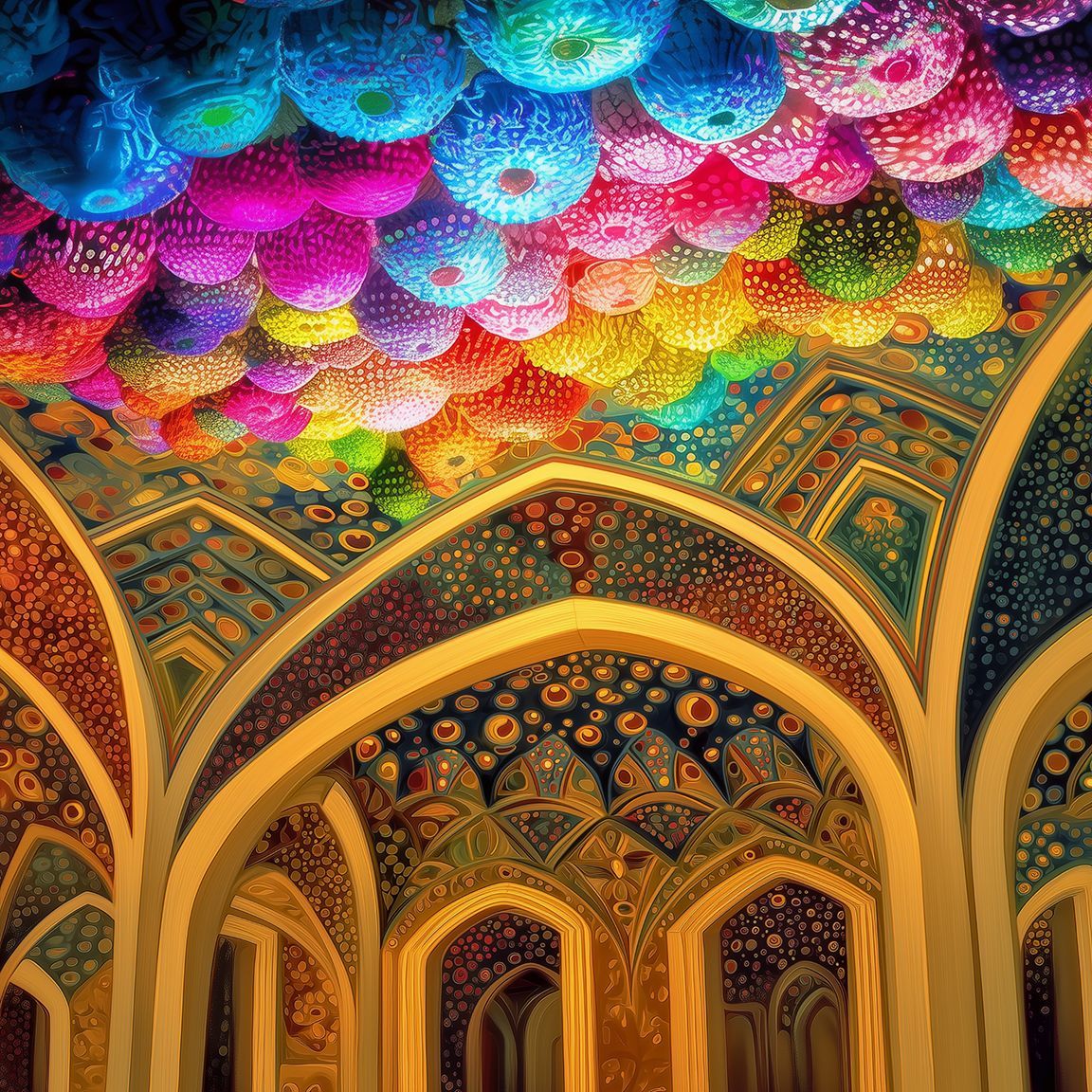
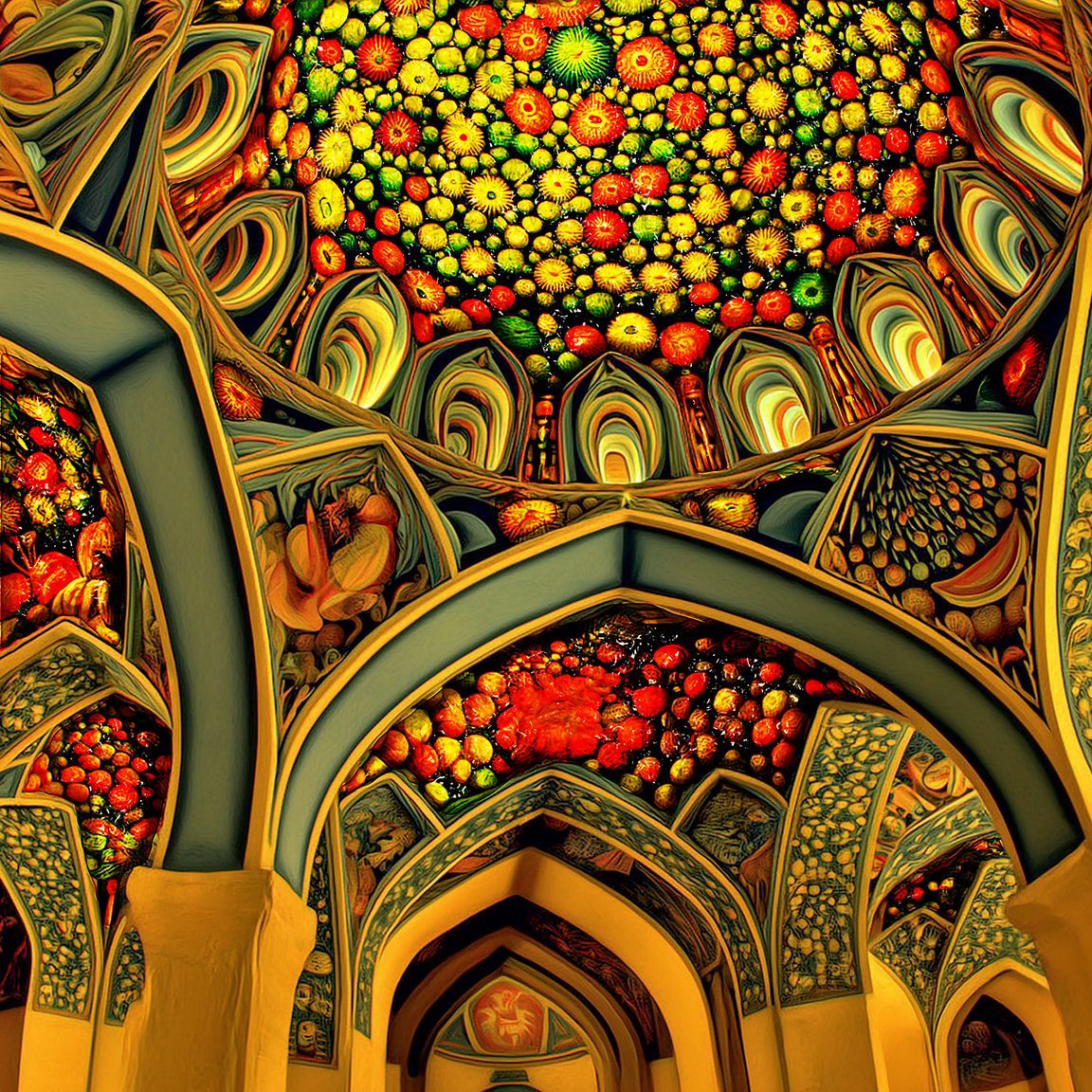
Two images of Inari in different locations and a clip of one form of Shaka Bishamon. During what would later be seen as the pinnacle of the Emaxul Age, it was noted that from this point forward, little distinguishes the interior of Danam Yeldic Mantle Establishments from the original Koru's Living Mountains, or now their Deep Domains.
Koru Insects and Insect Societies
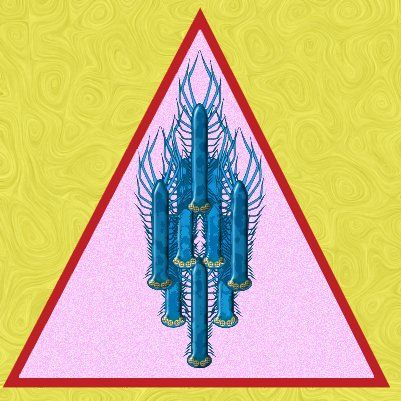
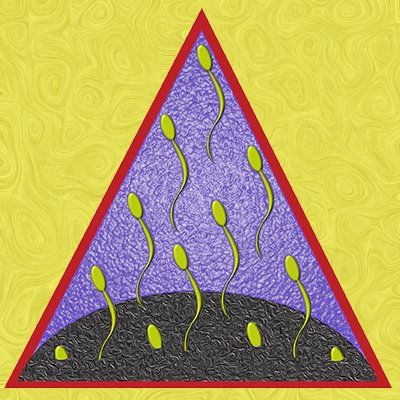
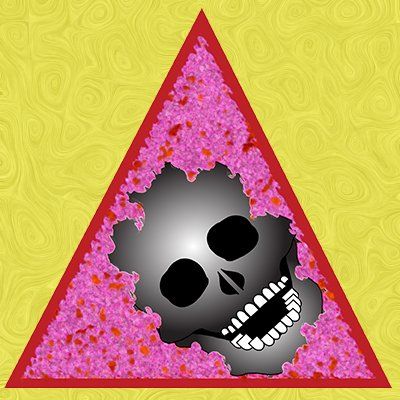
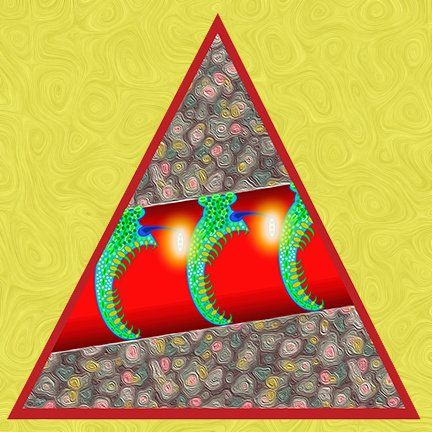
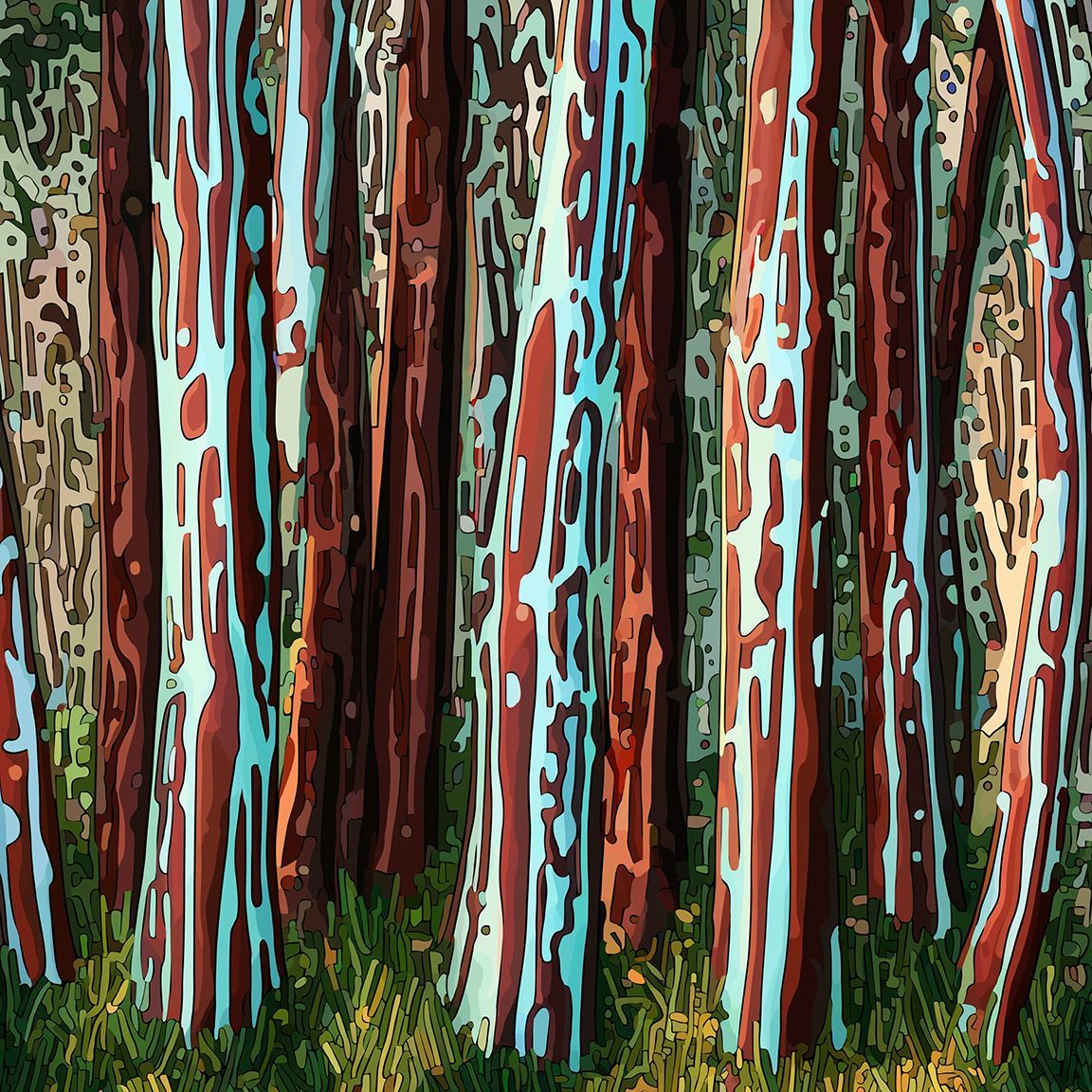
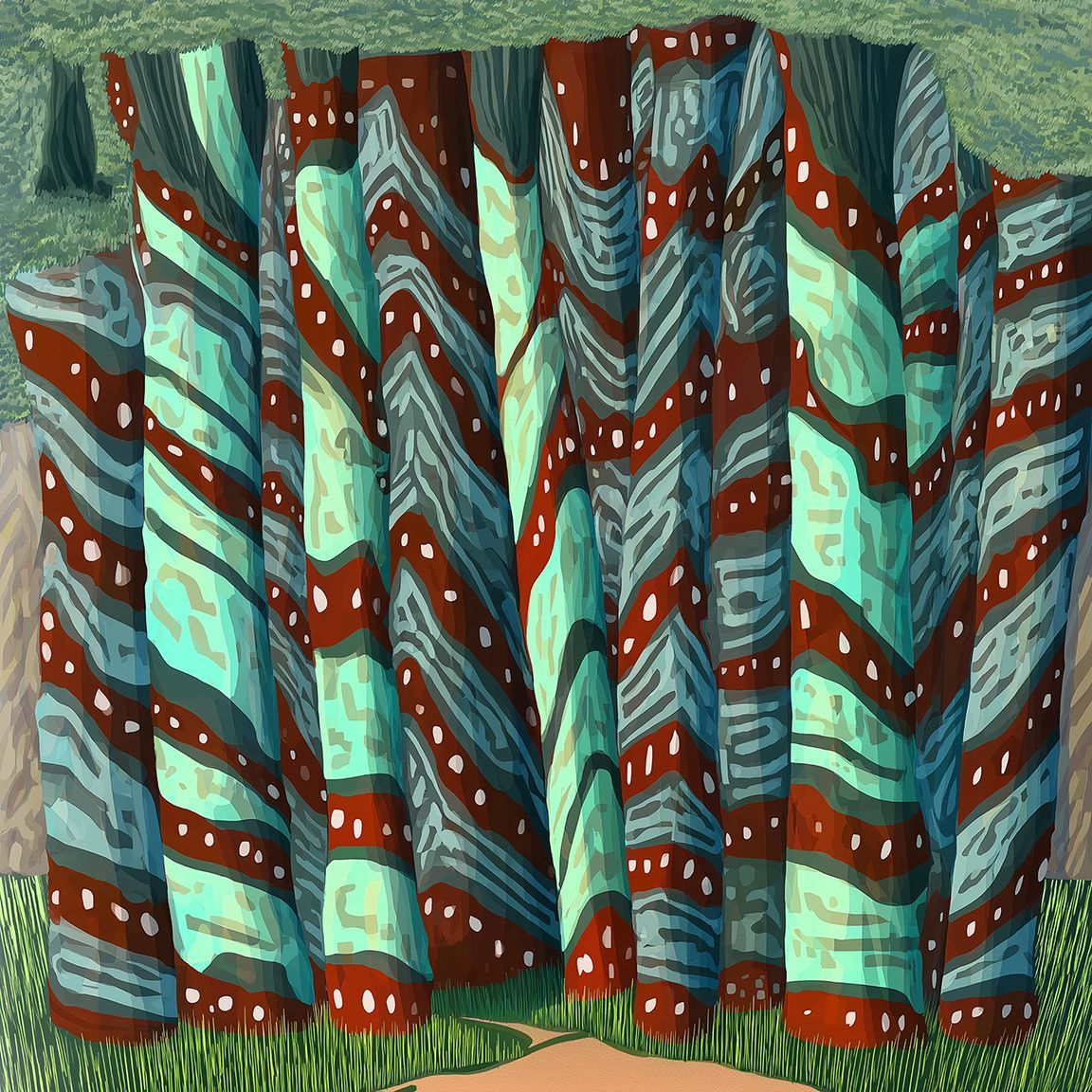
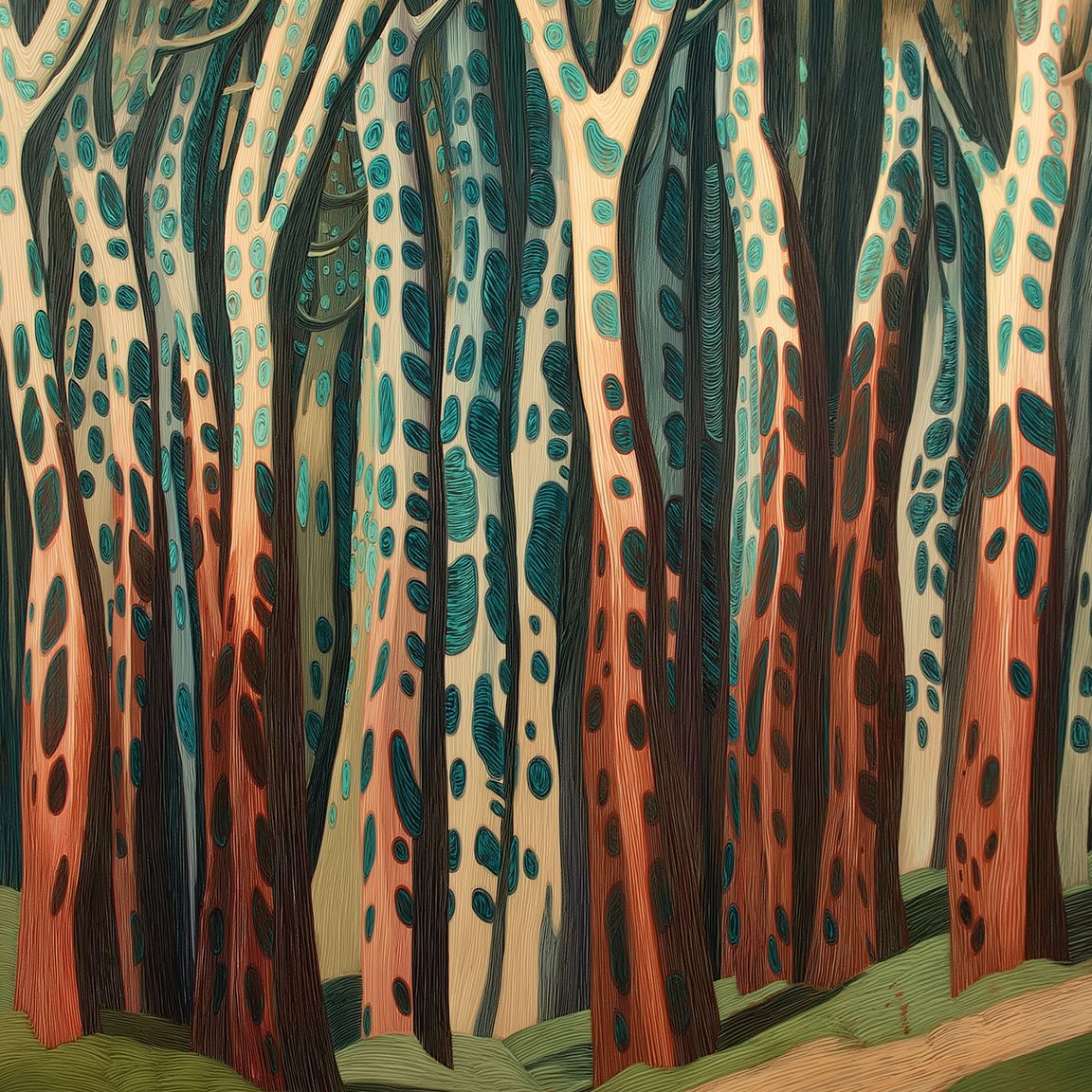
These are three sample renderings of the mysterious Tamaroth Forests, mostly by Yeldic artists living in the Lake Teval Basin on Thermistal later in the Secondary Epoch. While there is considerable variety in the patternings of these trees, these images also illustrate their mesmerizing quality, leading to very different impressions.