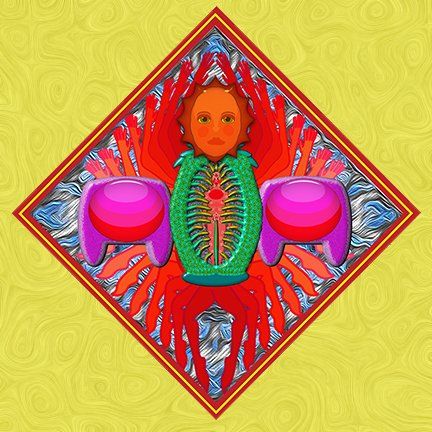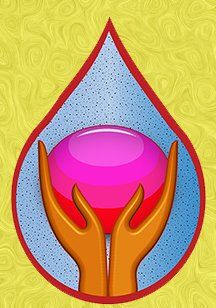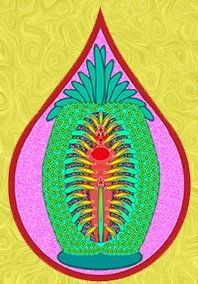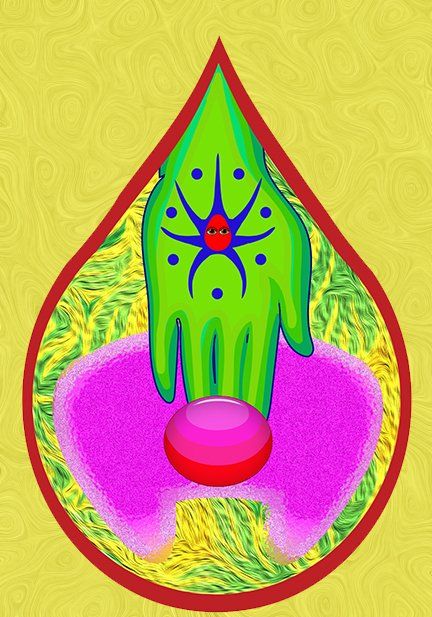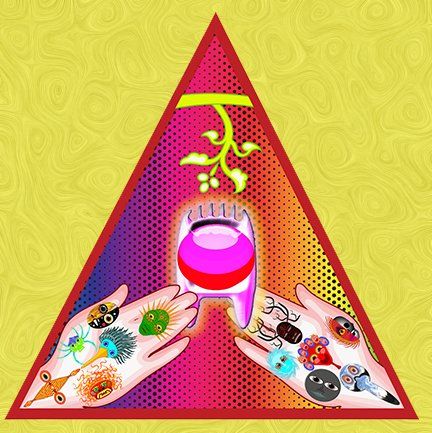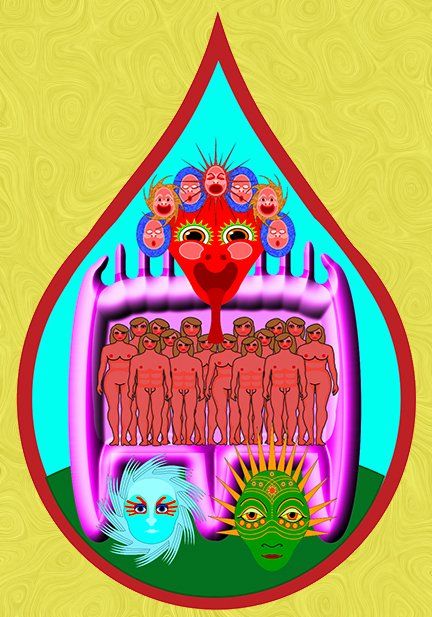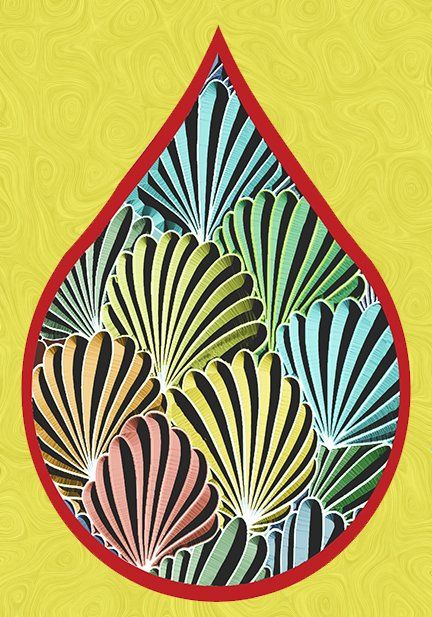

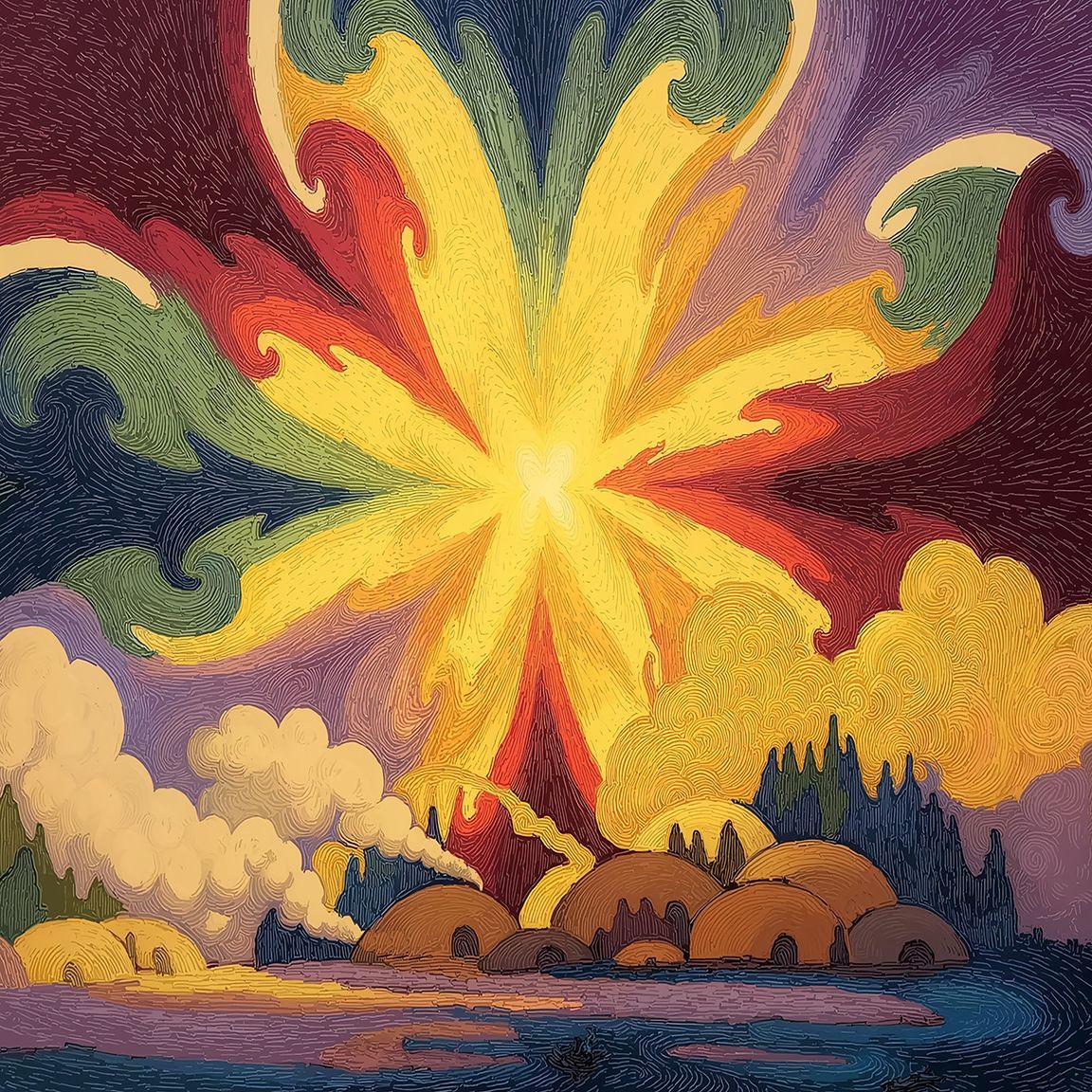
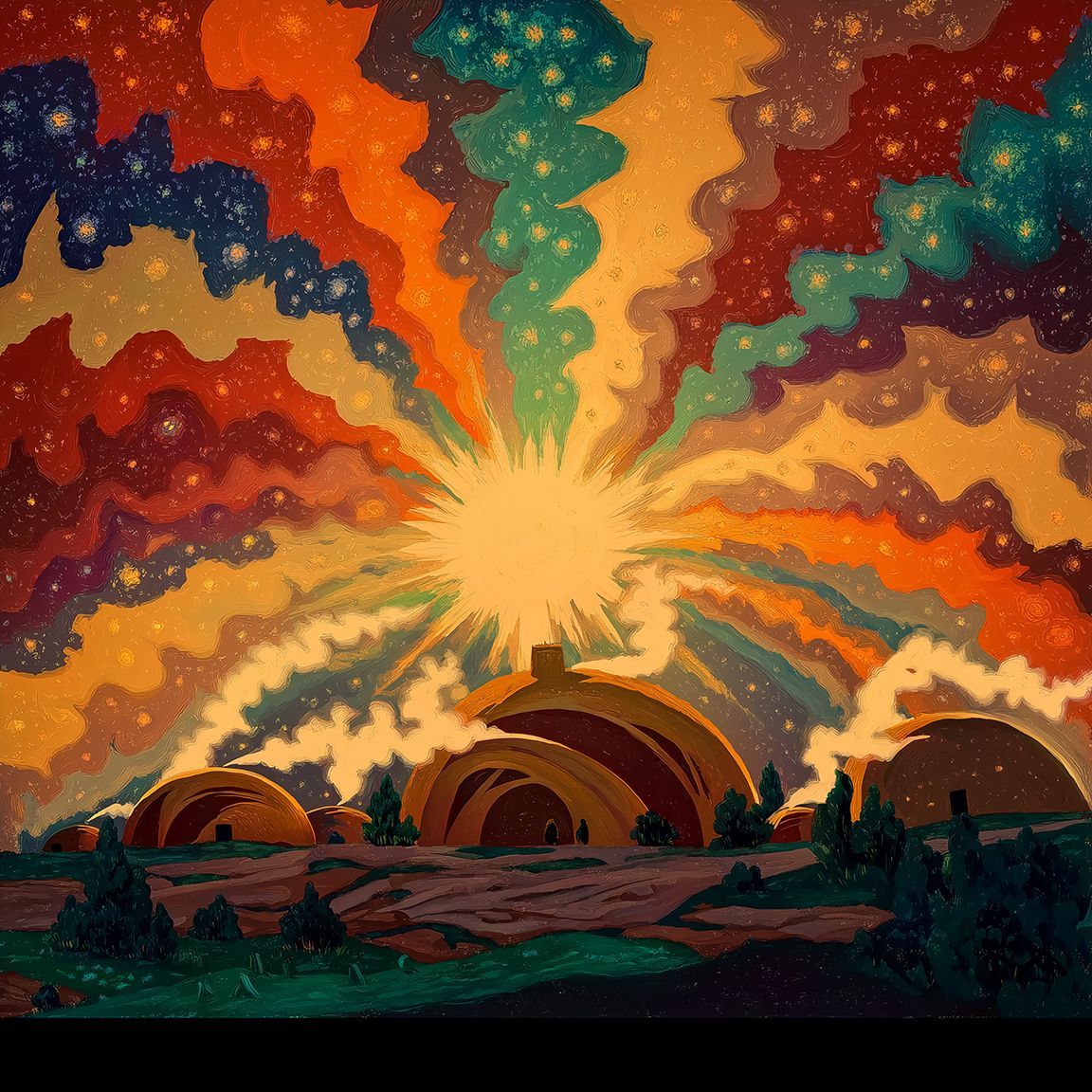
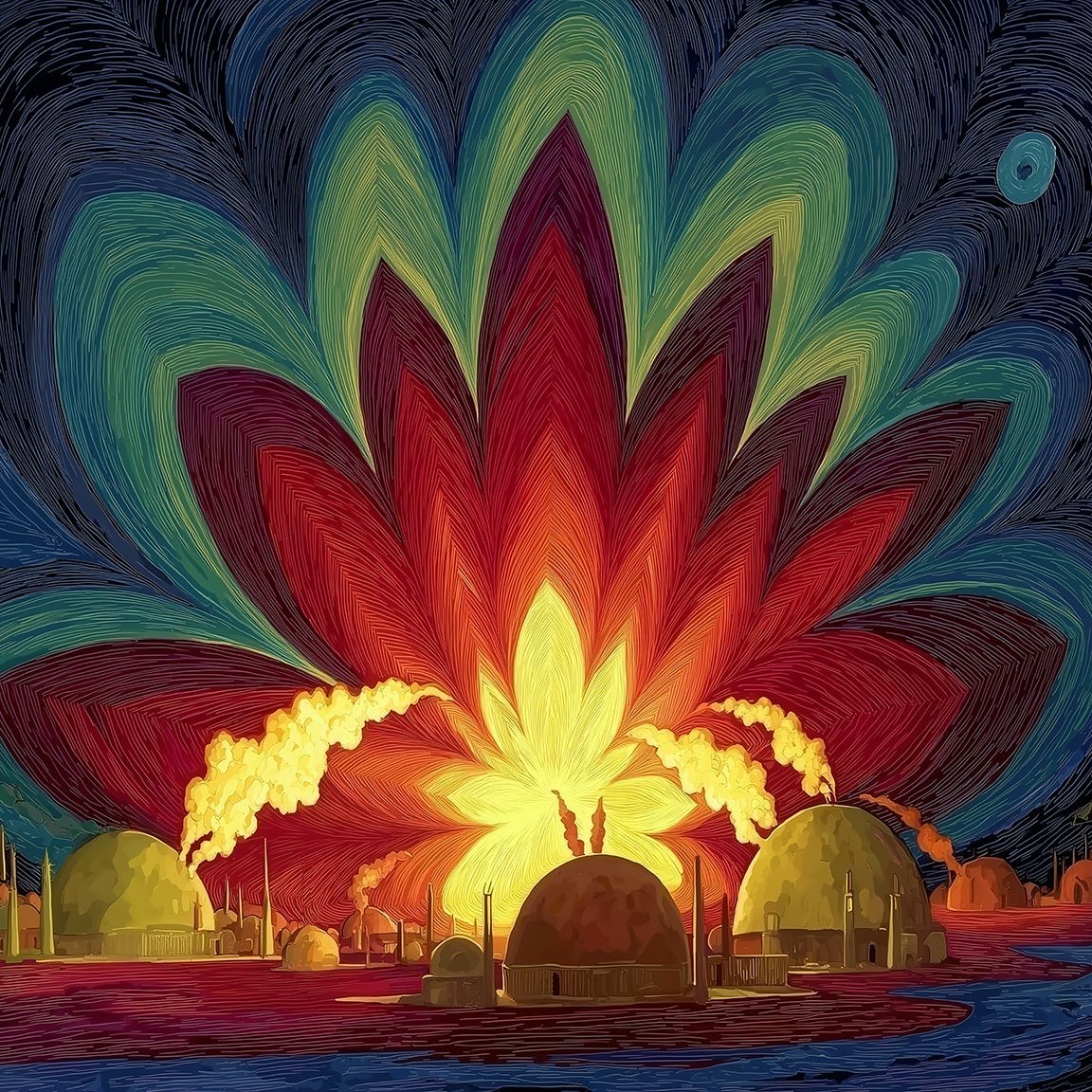
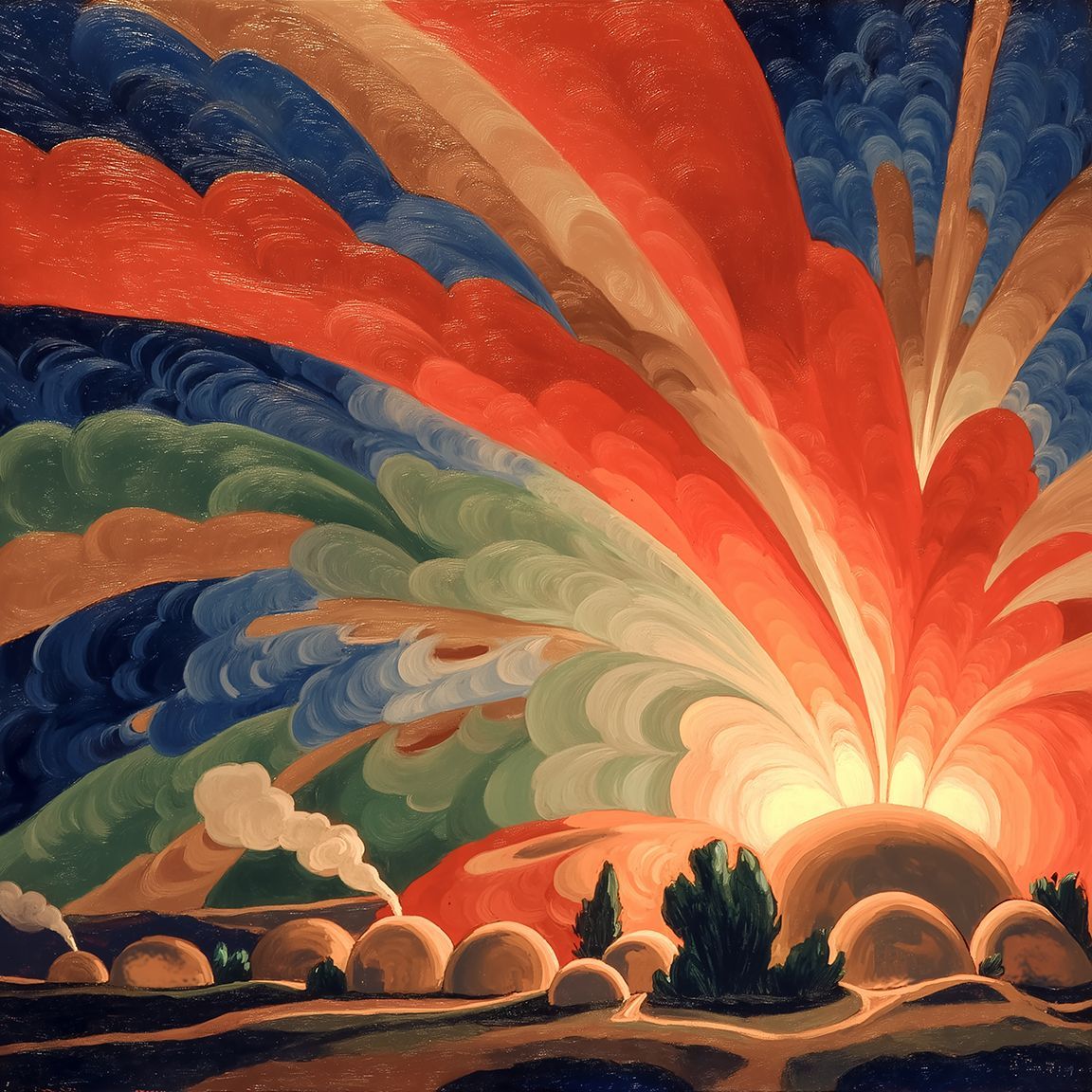
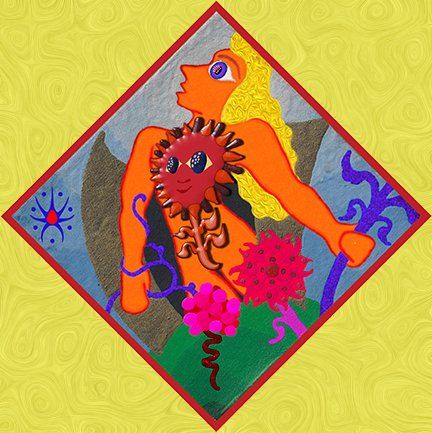
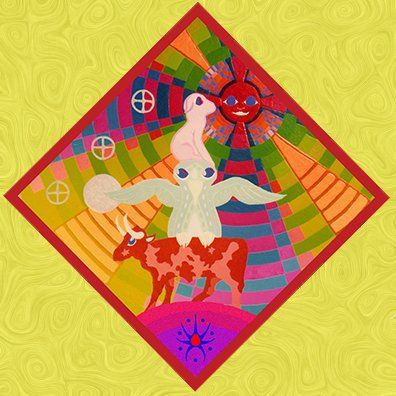
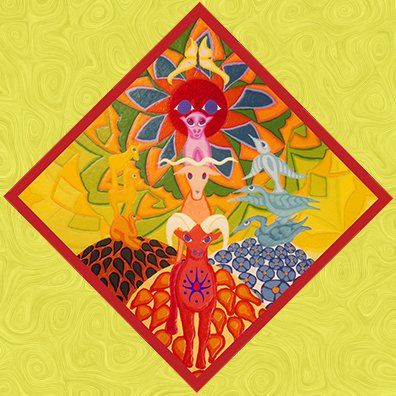
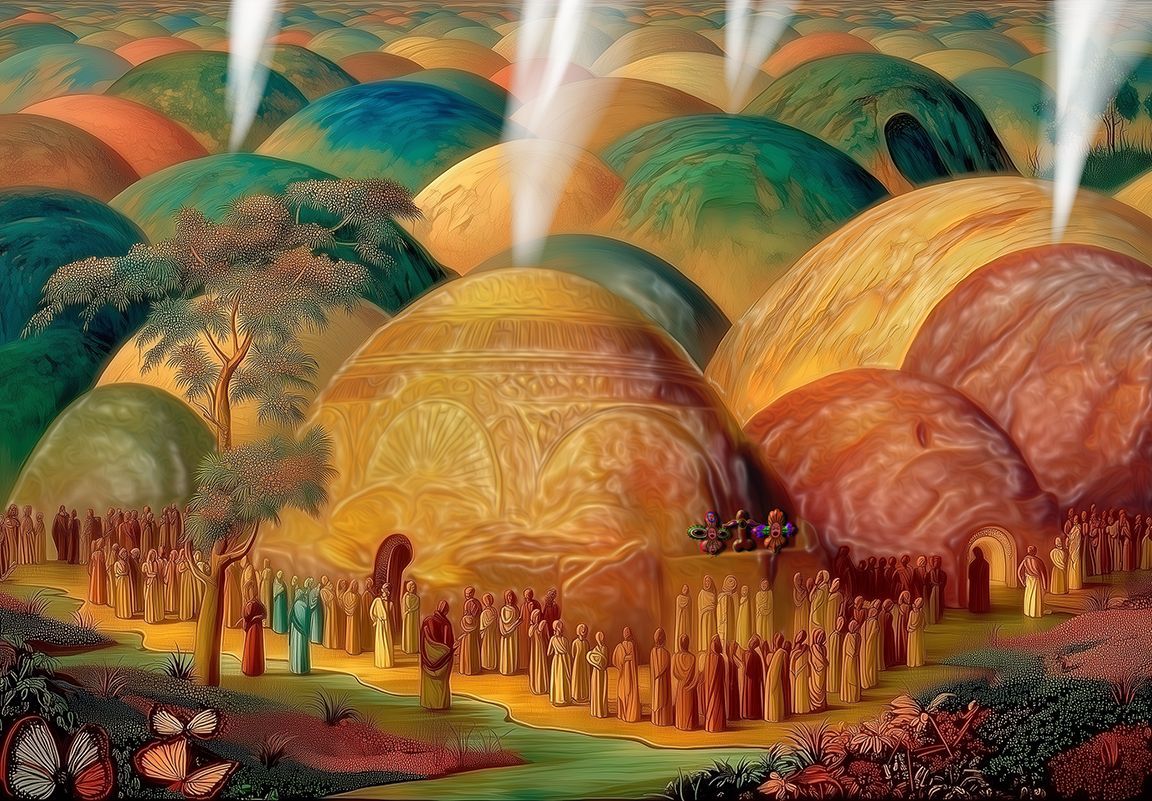
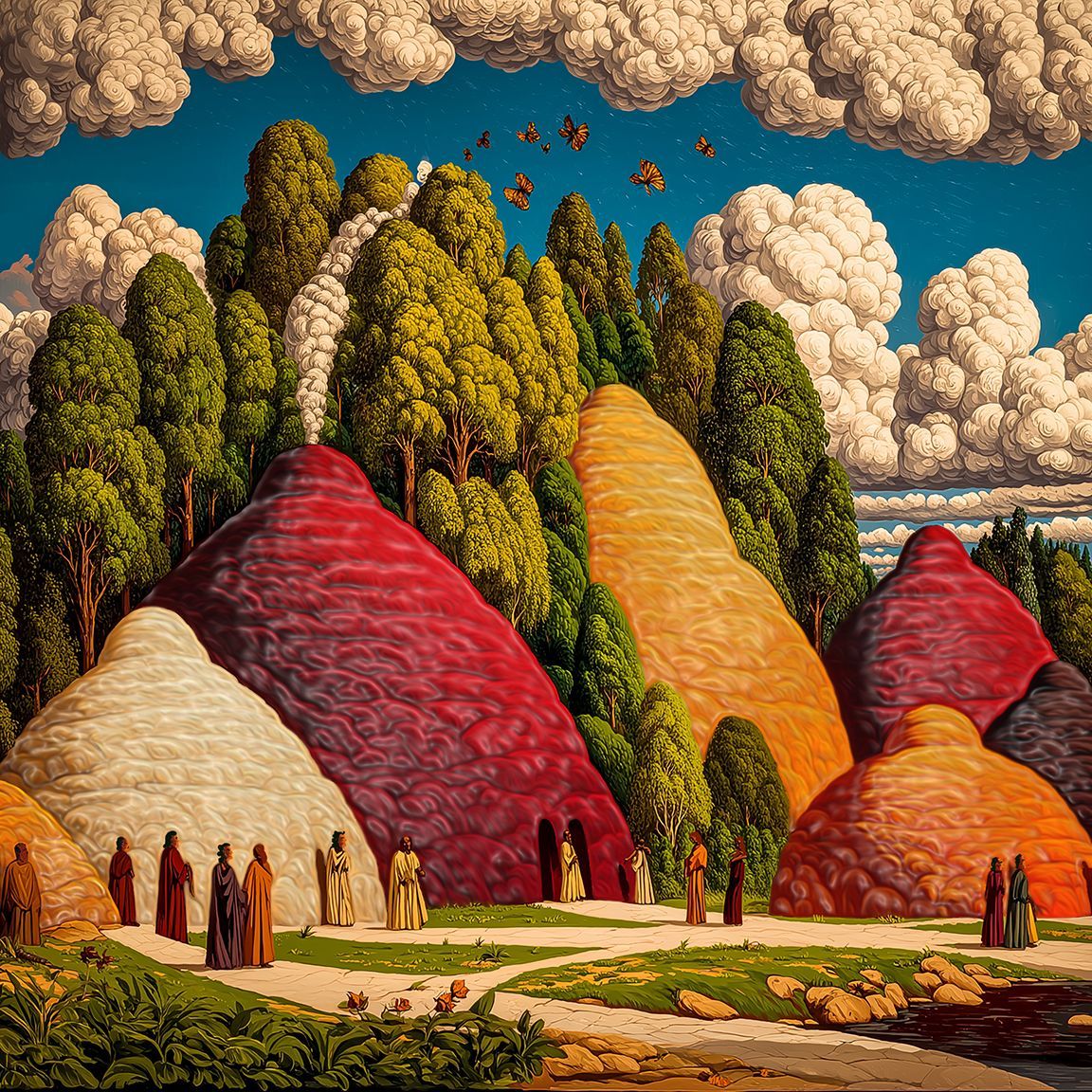
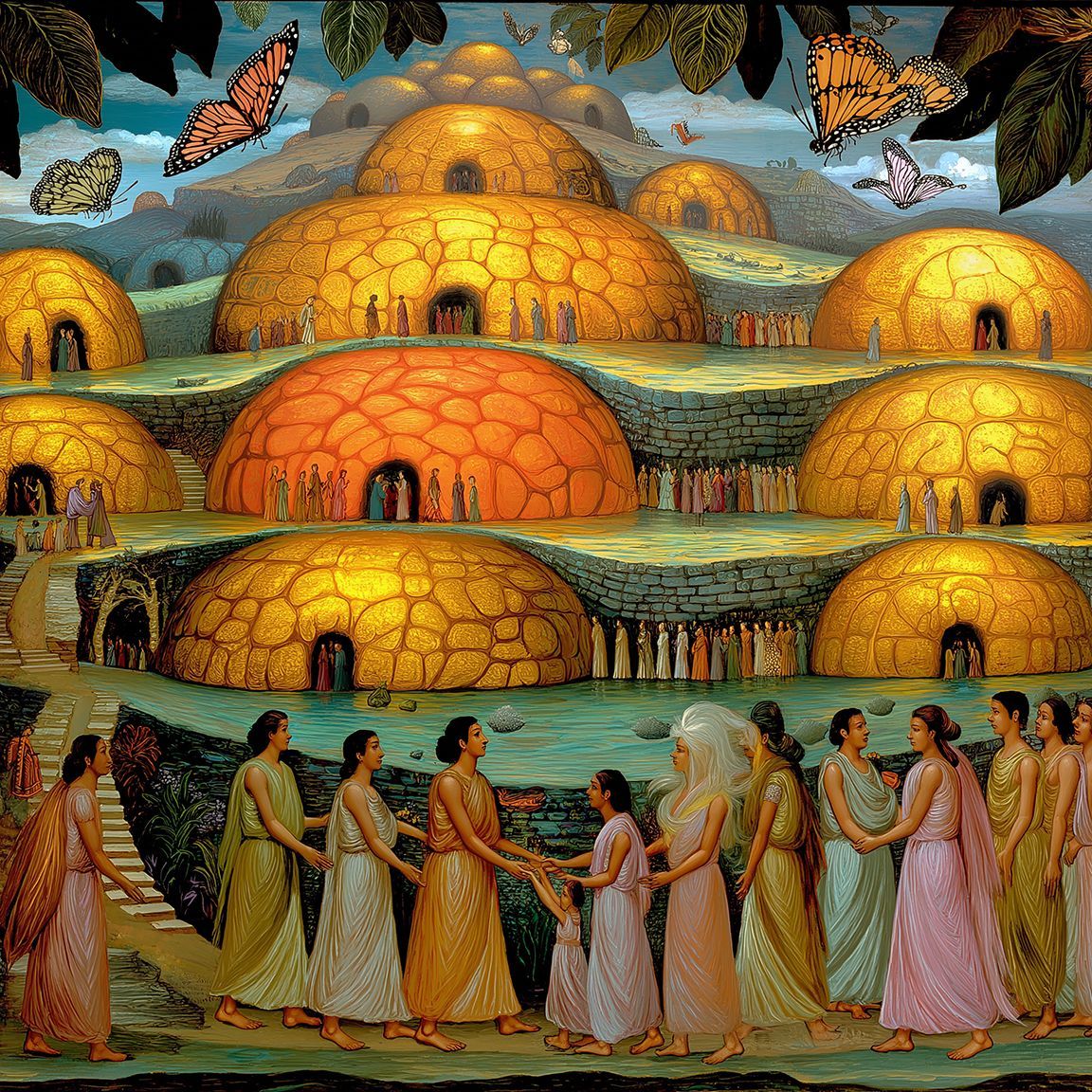
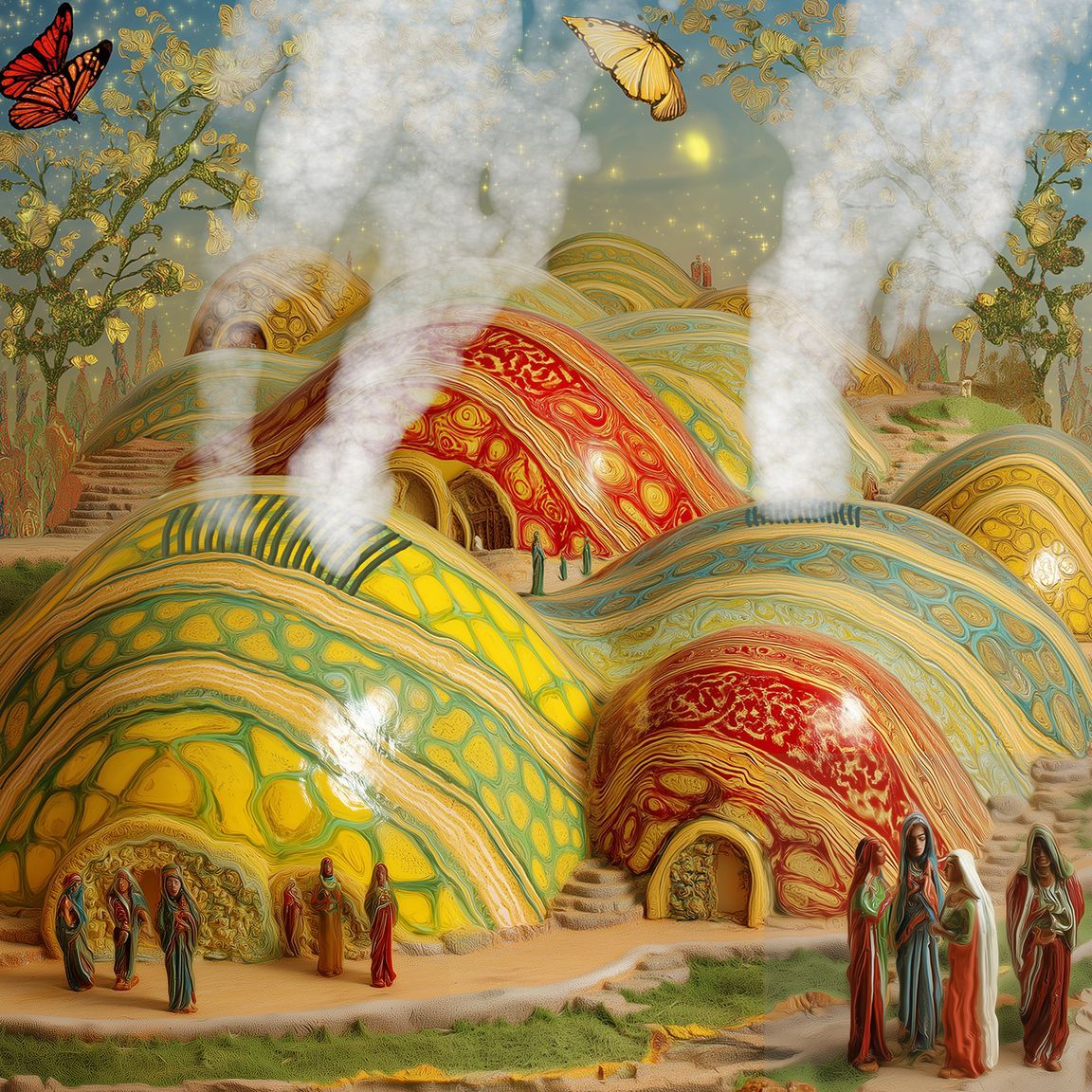
Public art of the Burning Blossom during the Secondary Epoch was largely unknown during the Nantu Age of the Danam Yelda. It was only with the establishment of the Upata Bulb as the protective cluster residence during the Emaxul Age that an unspoken taboo was lifted and renditions were made at the time and after these exceedingly rare occurrences. Thus, most of these portrayals also feature Upata Bulbs successfully withstanding the worst of the Full Burning Blossom Cycles. The Venerable Koru, who were far more vulnerable to this terrible Crown of all Non-Living Banes, seldom depicted this moment when all civilization, and even Tatchlan itself, were largely helpless before this event.
Xica Nu herald
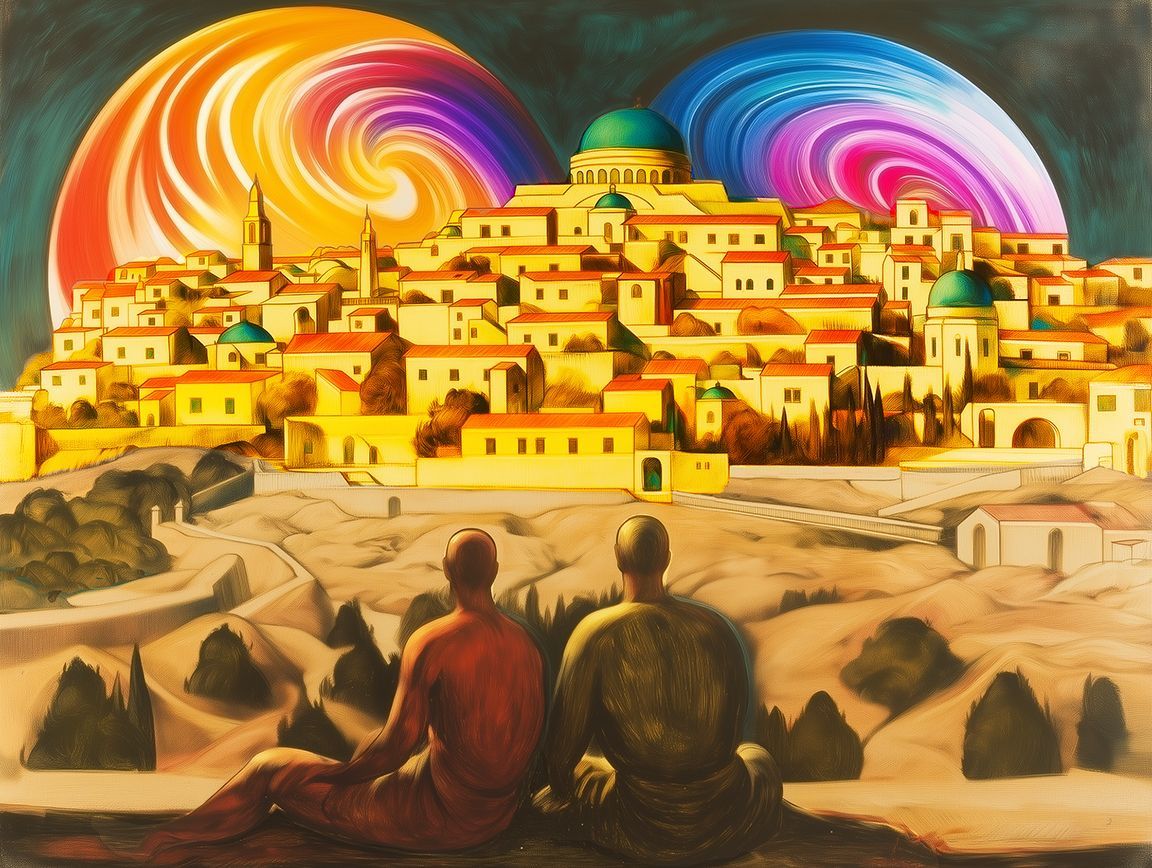
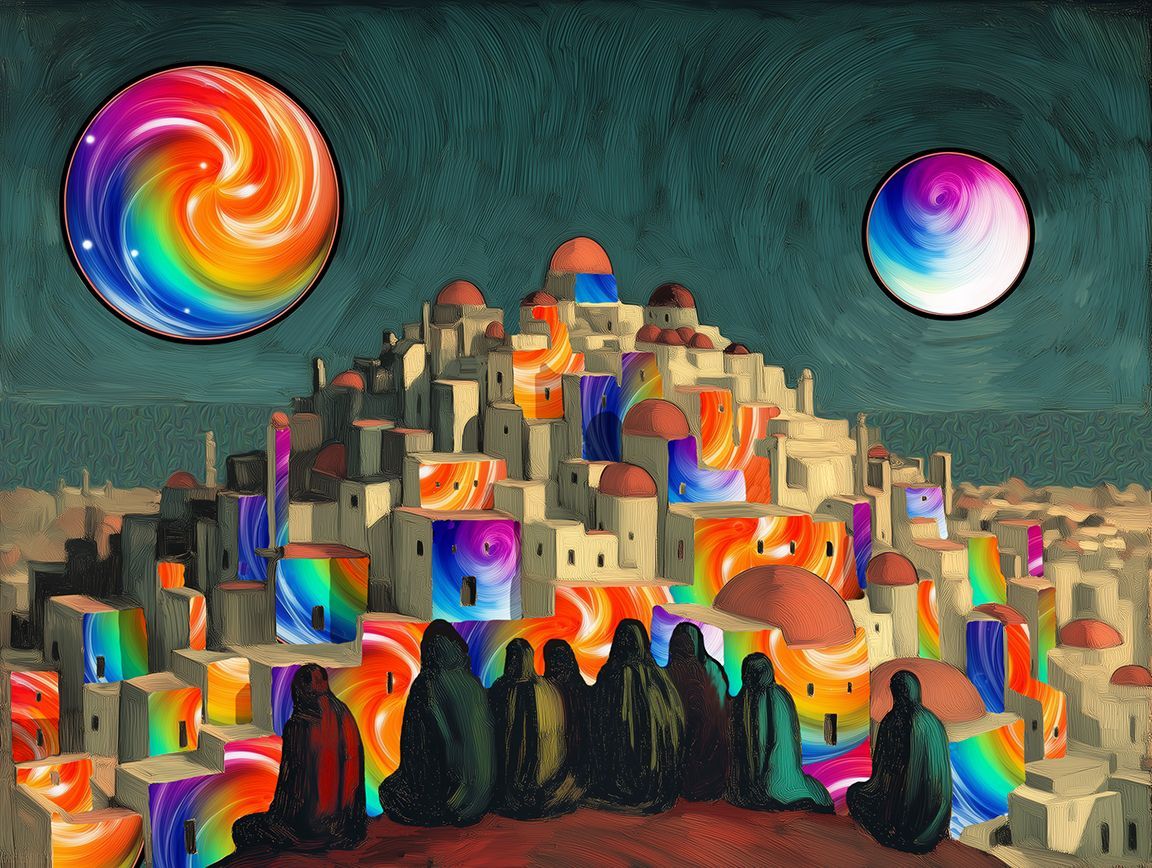
Xica Nu is the first of Anu’s four moons. He has been given many names, including ‘Initial Moon’ and ‘Nearer Moon,’ and possesses a smooth, pale blue face. With the growth of the Blossom, he took on a new name, as the ‘Messenger,’ or ‘Herald Moon.’ This was because the night before the first full Blossom manifestation, this moon would light up with a miniature version of the Rainbow Emanations to come. At this early time, the Messenger was heralded, and celebrations often continued as long as he remained in the open firmament. The other three moons, Lya Nu, the angry Myka Nu, and Bekma Nu, do not reflect nearly as much of the approaching auras. Due to his already red and scarred visage, Myka Nu was said to ‘hide’ the coming Rainbow Emanations, although the discerning eye could well pick out the unusual fluctuations on his skin.
Singing Mounds
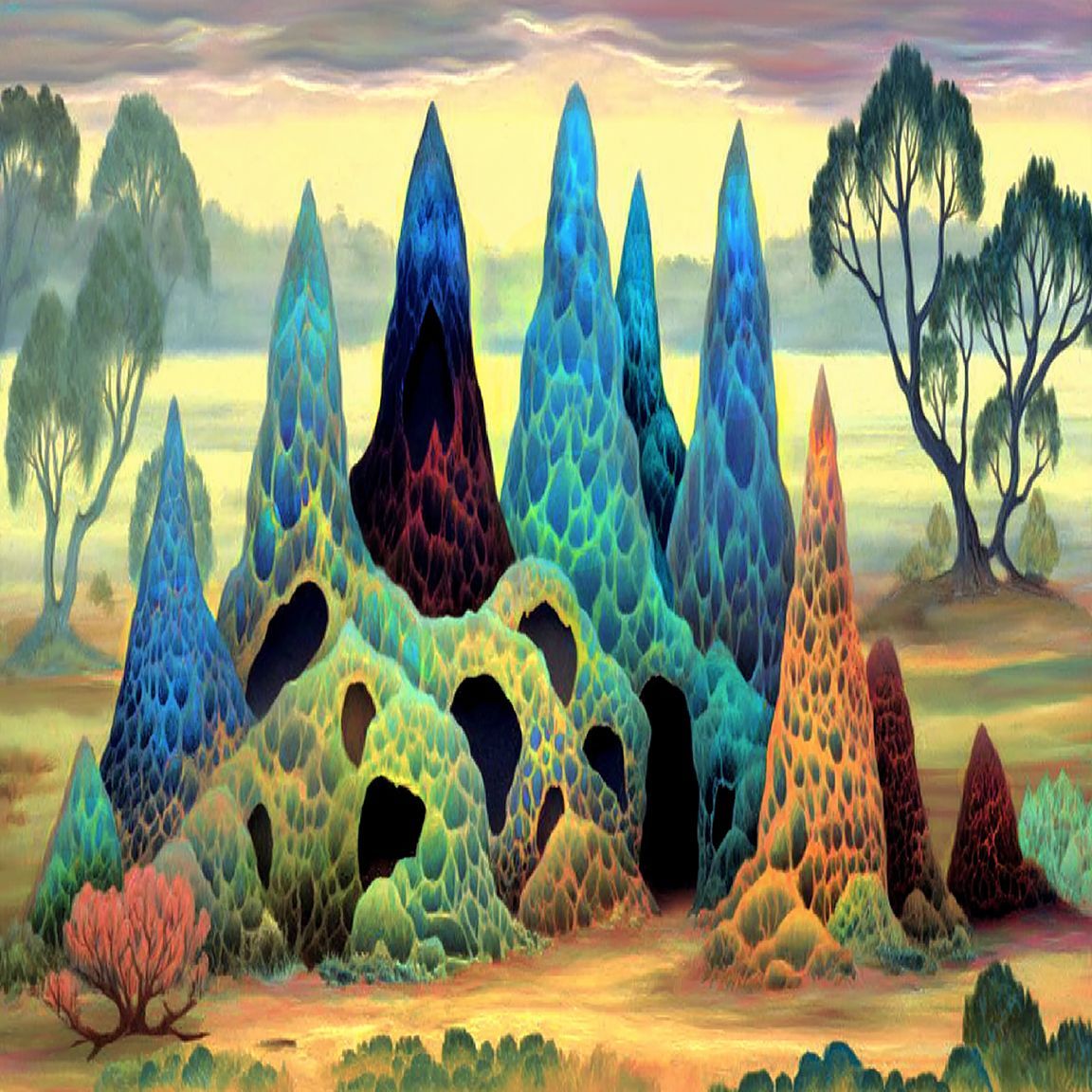
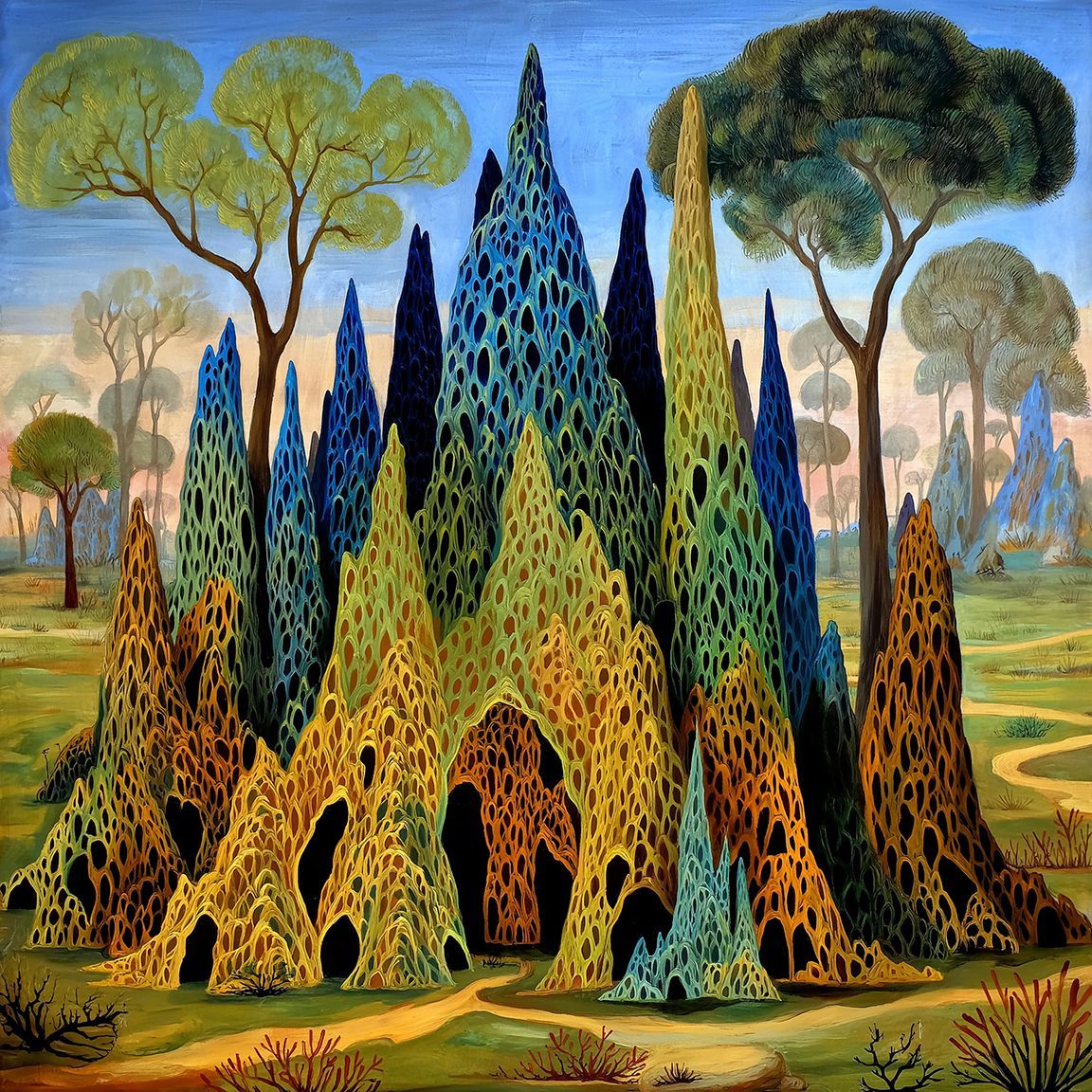
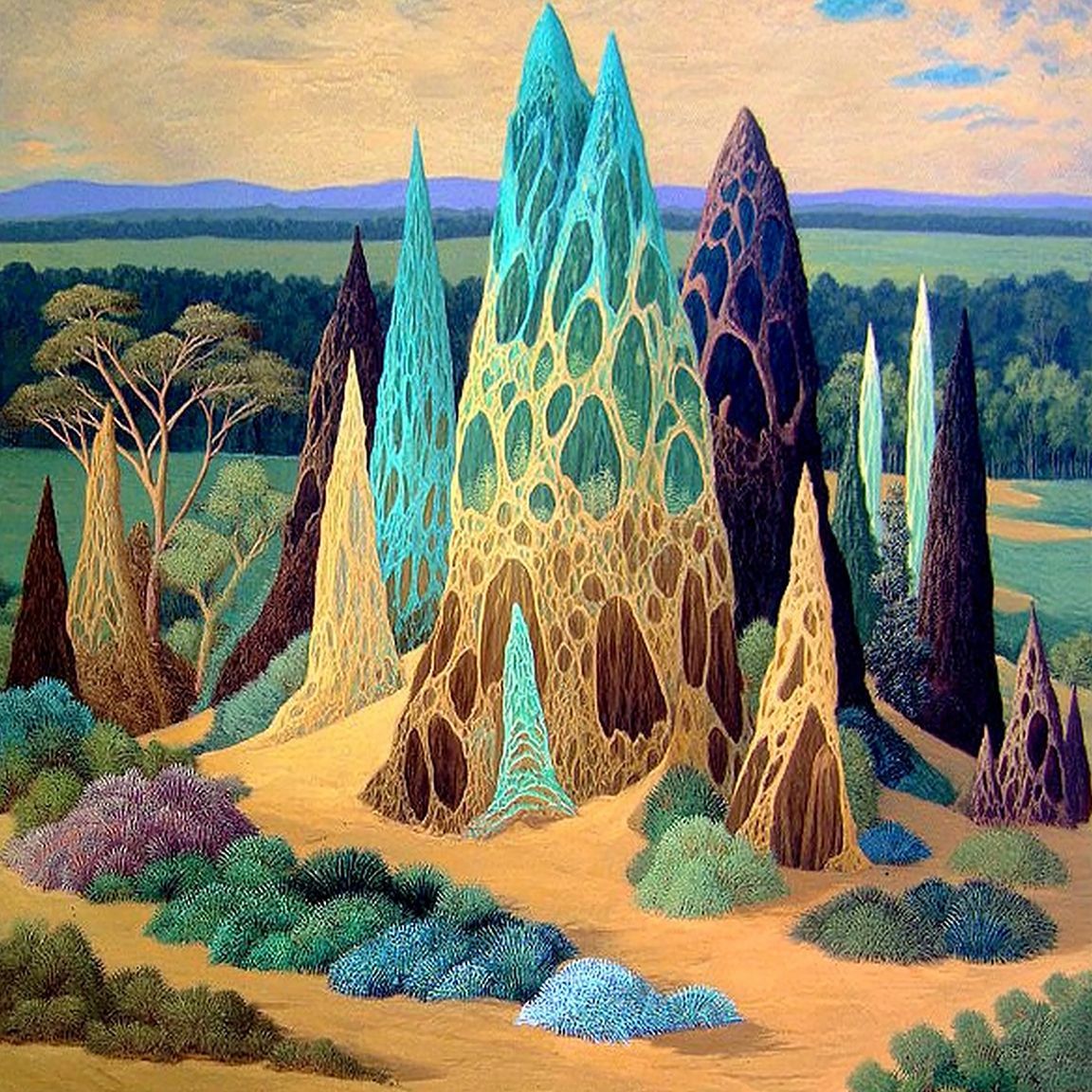
A far less fraught early warning sign is known as the Singing Mound; this is a typical Ketukku colony that begins to emit a series of high-pitched songs, thought to be caused by trapped moisture suddenly being released inside the mound. It is speculated that subtle changes to the Skin of Anu ahead of the full Burning Blossom bring these sudden musical notes. This phenomenon was observed in most-ancient times and was initially associated with the beneficial event of The Blossom. Notwithstanding the changing nature of the Cycle, the song in which it appears has not altered throughout this long period.
Multiple Banes
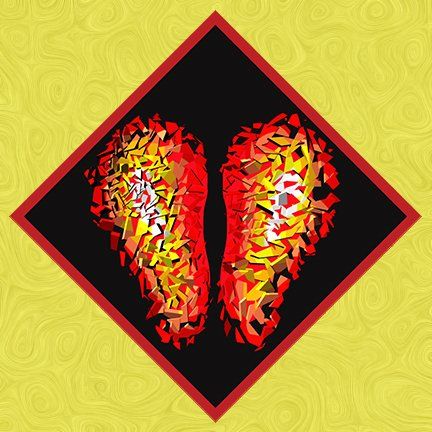
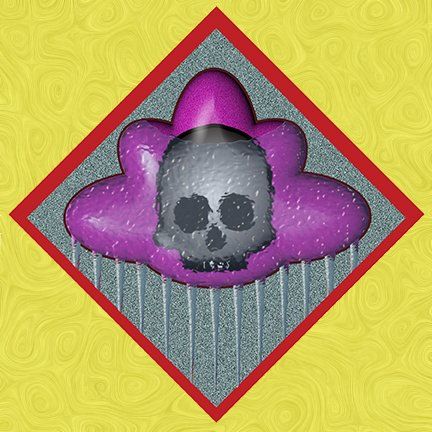
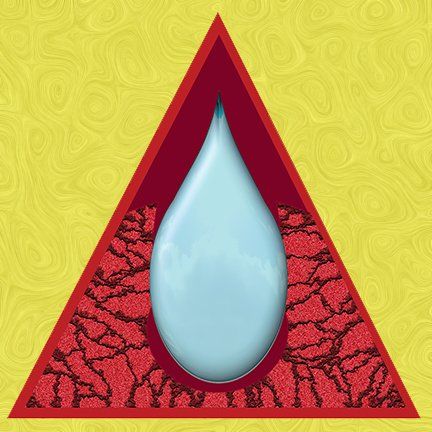
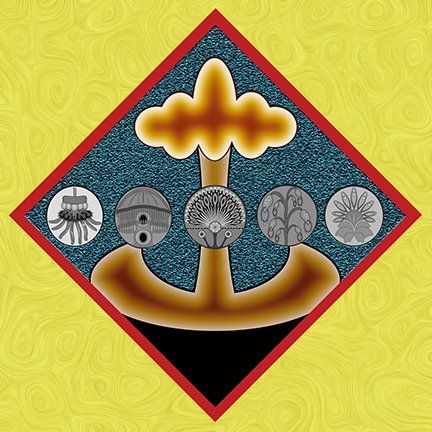
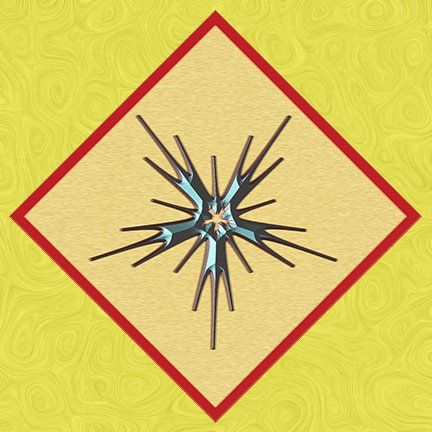
Along with increased incidents of early warnings, there are also weather-related events. Increase in storms of all kinds, as well as tremors and other disturbances on the Skin of Anu. At such times, dormant volcanoes can spring to life, and fresh eruptions ofBlack Yal may occur. There is a sharp increase in the number of incidents involving all Non-Living Banes, including Lifeless Curtains, Slaying Canopies, Water Columns, Wailing Bains, Chill Crystals, and other disasters, occurring leading up to and during a Burning Blossom Cycle. Generations may pass without witnessing one of these non-living calamities. Still, in the lead-up and during the Burning Blossom Cycle, hundreds of separate incidents across Anu may increase in frequency and give a few of the usual warning signs before unleashing themselves. A clear connection between these phenomena and the Burning Blossom has yet to be established.
Foreign Rain
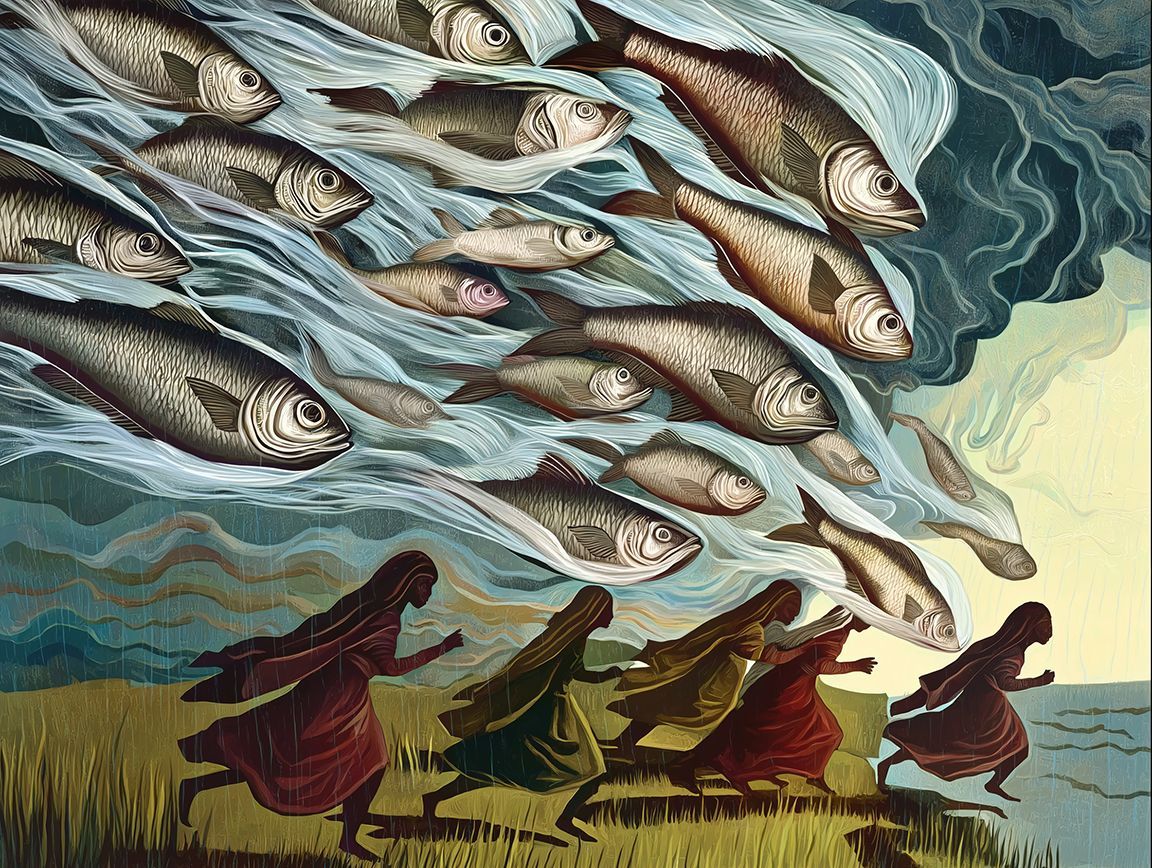
This is a Dictum Image imagining what the ‘Foreign Rain’ would be like. The term refers to one of many unusual physical events, rather than hallucinations (see below). ‘Foreign Rain’ refers to any form of bizarre precipitation, be it seawater and attendant fish and other sea life far from any ocean, rains of mud or even stones due to various unsettled factors surrounding a Burning Blossom Cycle. This visitation may occur for periods after the Cycle, known as the ‘Aftermath.’
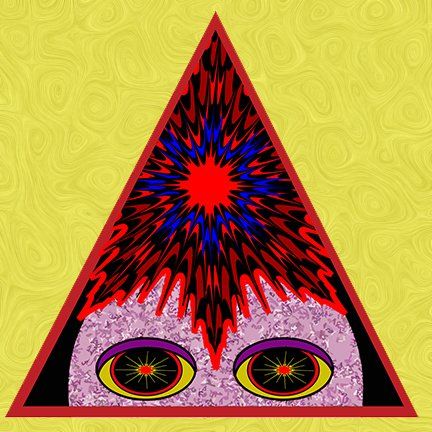
Sweating Speaking and Moving Statues
Given the proliferation of statuary of all sizes throughout both the Koru and Danam Yeldic Cluster-of-Clusters Nations, this is a pervasive manifestation. Rare instances of carved figures within the Yakku Collective have also been reported. The fact these figures resemble living beings accounts for much of their impact. Hallucinations occur where the statues take on animate life in several ways. They may be seen to weep, sweat or even bleed. Often, this is accompanied by the sculpture's vivid colours melting with the moisture. These colours may appear to mix and pour down the sides and over the pedestal to pool on the pavement. An unusual feature of this phenomenon is that it may manifest simultaneously to several observers or one alone. Another more intense vision is for the statue to speak. Usually, this is only in syllables or strings of meaningless words. If coherent sentences are uttered, it is always to one single individual, and the message is, at best, cryptic or wholly nonsensical. The most extreme forms of hallucination include seeing the statue turn its head, move its arms or legs, or even appear to step off its pedestal. Another version sees them partially or entirely engulfed in flames and moving. These are evidence of deep Nu Sickness.
A Danam Yeldic icon is pictured here due to the most incidents of this delusion occurring within this Cluster-of-Clusters Nation.
Deep Domain environment
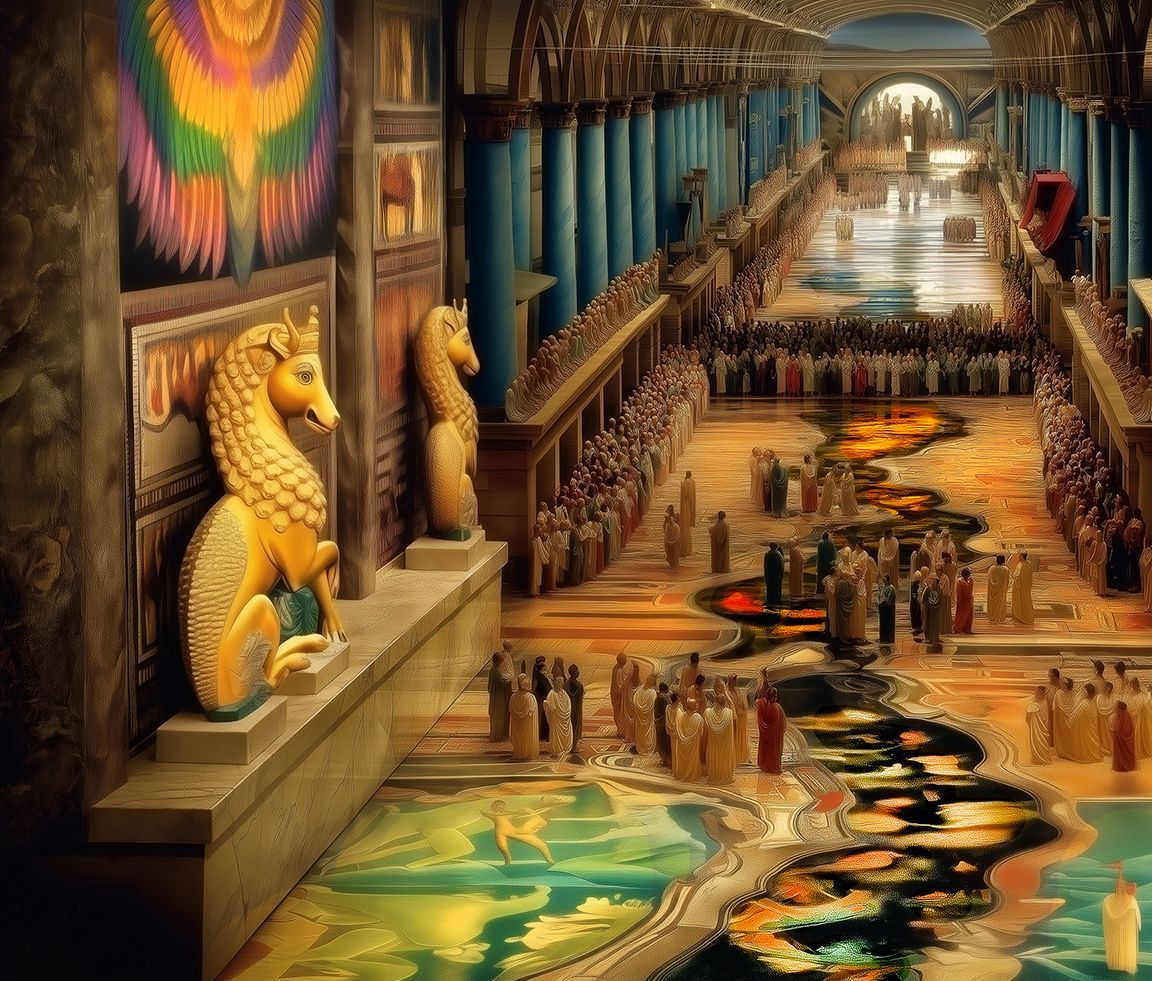
The result is a set of prodigious interior realms stretching over many hundreds of andas, connected to all points of Rho-Jashun by a new continental transit structure. This network came to link many points beneath the web of Living Mountains, following the Mulungu Mountain Chain in the continent's east and south, and the western coastline, permitting swift access to the Skin of Anu via these surface structures and the original transit lines. This allowed occasional night visits to liaise with Danam Yeldic and Yakku representatives, to visit historical sites, and to walk under the stars on the Marachla Plain. These ‘Deep Domains’ developed into a sequence of formations, along with immense egg shapes; others began to display a variety of enormous, simple and complex geometric configurations. These cavities had many cultivation features, one example being large canal systems encircling and crisscrossing the territory. The new varieties of crops and other plants thrived in this environment, and distinct species of animals filled the land, water and air. The newly discovered Jesplace gradually joined these, enriched this environment, and gave new hope and focus to the Koru's Cluster-of-Clusters Nation. Often, the ceilings were more than an anda above the floor, with innumerable light-emitting creatures and plants stationed along the roof. These created a new nocturnal/diurnal cycle, favouring extended periods of twilight. These inner dominions became self-sustaining through careful planning over generations, with all elements renewing each other. Most were large enough to generate internal weather patterns.
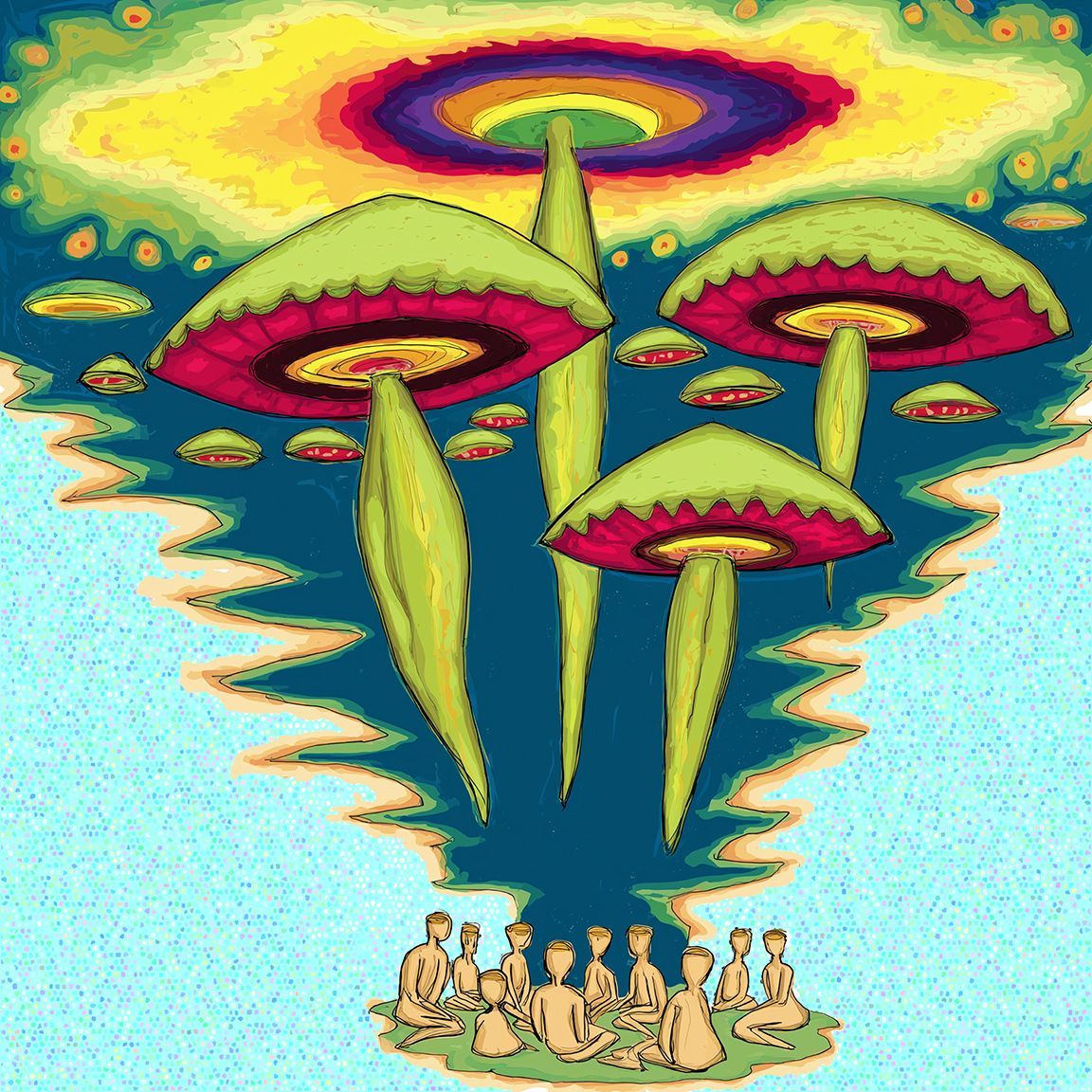
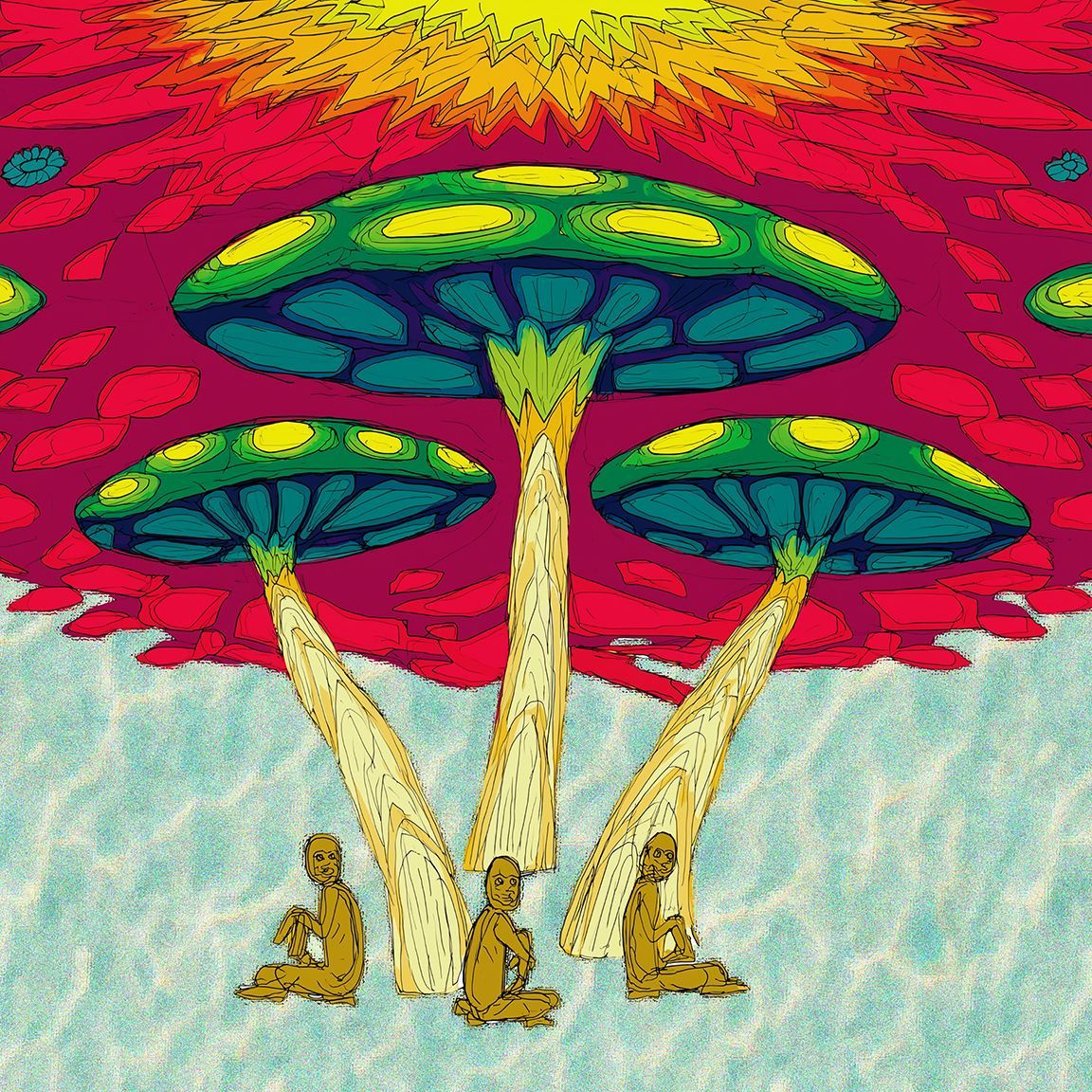
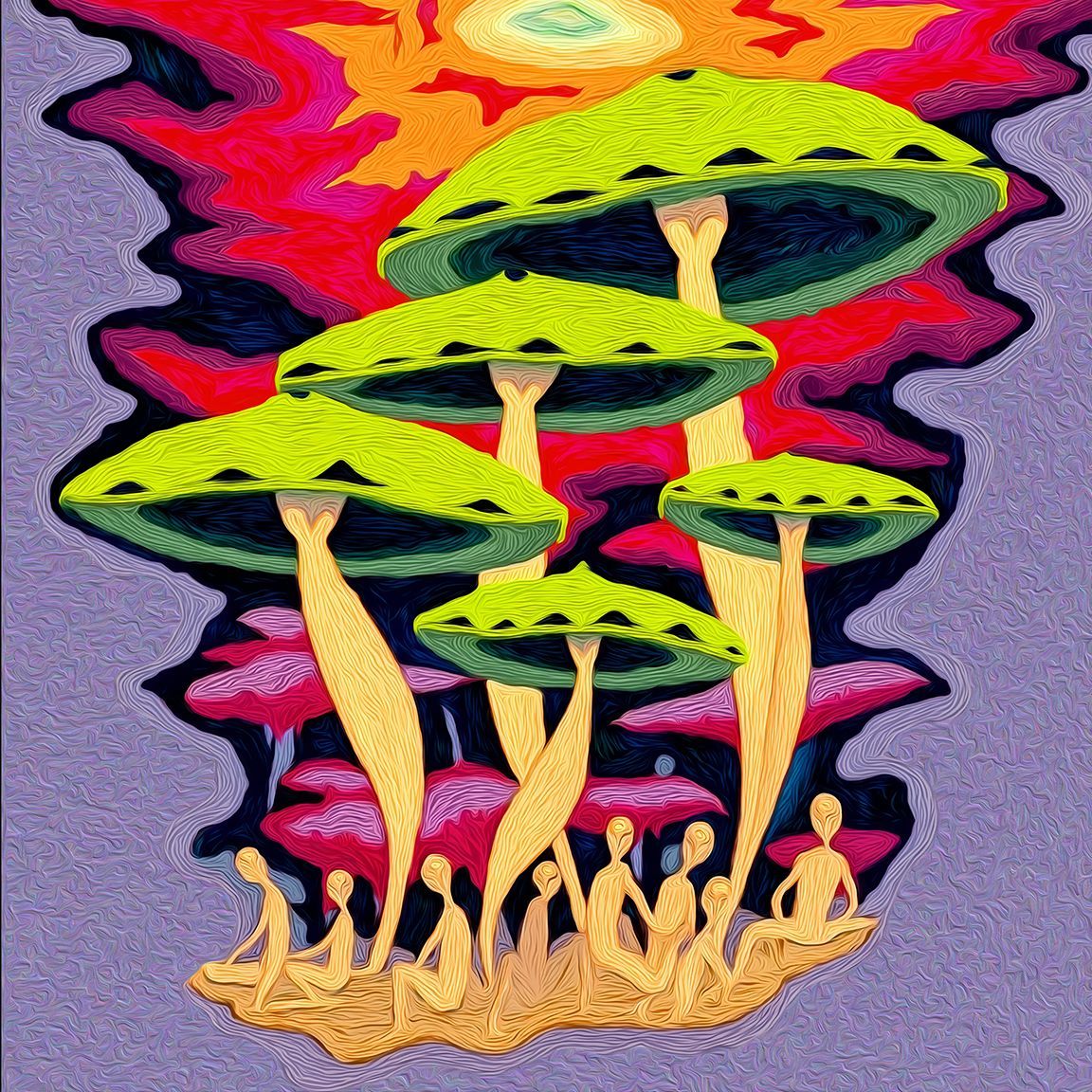
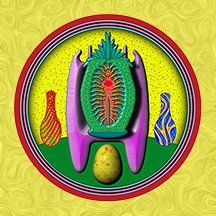
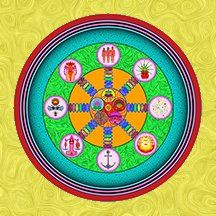
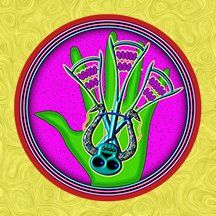
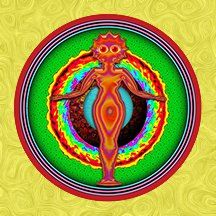
These popular renderings of this vital Kanart Mushroom are mostly made long before or after a Burning Blossom Event when they are employed. The entity is small and grows upside down from the compound ceiling to protect the sheltering cluster. A popular tradition developed after the Hertamasa Dynasty, the eleventh Danam Yeldic Dynasty, which endured the second complete set of Cycles of the Secondary Epoch, and the first to be suffered by the Danam Yelda's Cluster-of-Clusters Nation. These artworks, often found in Wellbeing Ministry facilities, Farmer Enclaves, and a few Mantle Establishments, show them as giant parasols protecting the population beneath them. The artists who made these works would never have seen an actual specimen.

Living Shelter
If the Yelda were the most ambitious and extended of the Koru’s Generational Plans, then the Upata Bulb is perhaps the comparable achievement of a nearly equally long line of Danam Yeldic MajastasDynasties. It is also the most effective safeguard ever devised within Tatchlan to meet and protect against the Burning Blossom Cycles of Nu.
This living entity was formed by infinite degrees over extended time frames, able to withstand what nearly all others cannot. A small part of this ability comes from its deep roots below, which need to be repaired or replaced before it is sent back to the surface. The Upata is also known as the Living Shield. Informally, a larger Upata, sheltering an Eight-Grade cluster (numbering more than 500 cluster mates), is called a Cluster Bulb. A smaller Upata is known as a Cluster Bud.
This created being becomes the cluster shelter for most of Yelda and proves vital protection against the Burning Blossom. It's sixty-four breeds match the variety of ‘ cluster tones,’ thus becoming the preferred living shelter for most clusters. Worked on though much of the Secondary Epoch by the Danam Yelda, the perfection of this precious creation involves the significant work of five Majastas. Four are Danam Yeldic and one Koru, known as the ‘Rota of Upata Majastas Mothers.’ An additional three Majastas work to perfect the Sheret Shield to protect these Bulbs and Buds.
Long history of Upata development
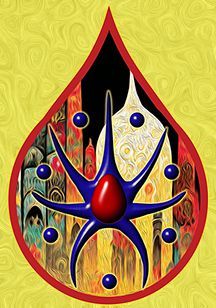
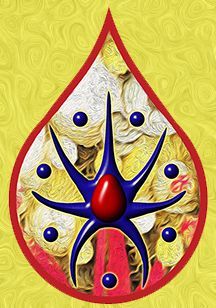
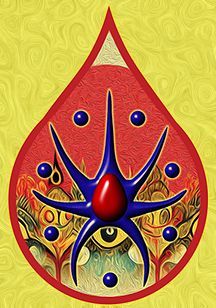
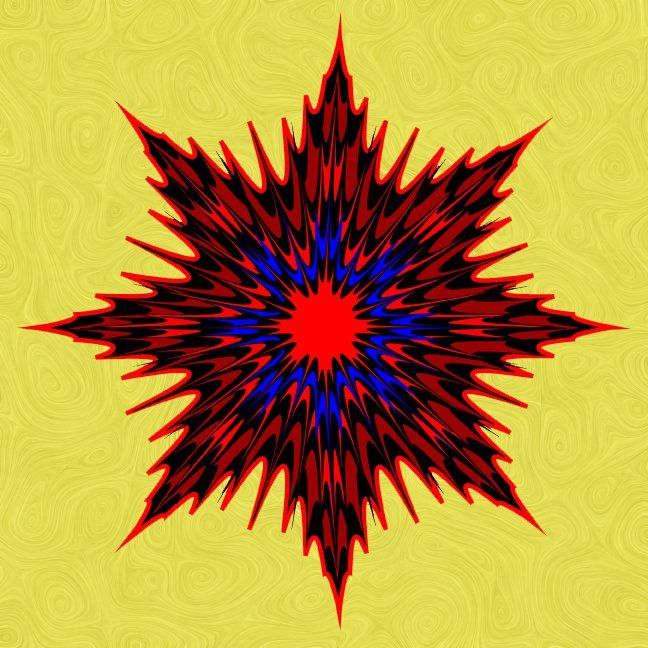
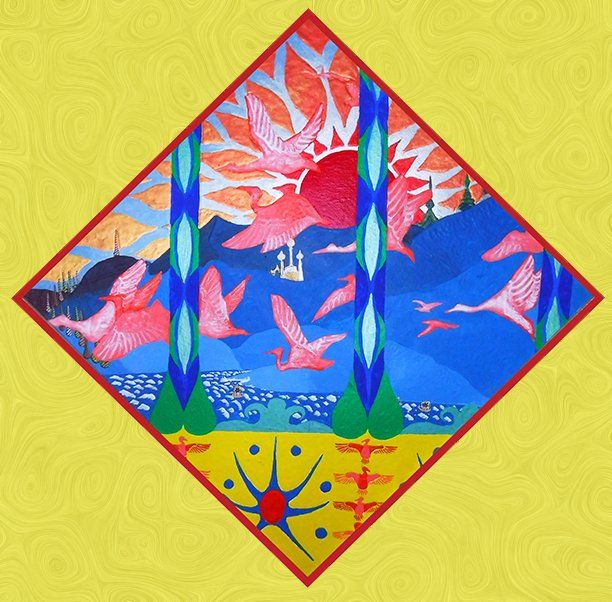
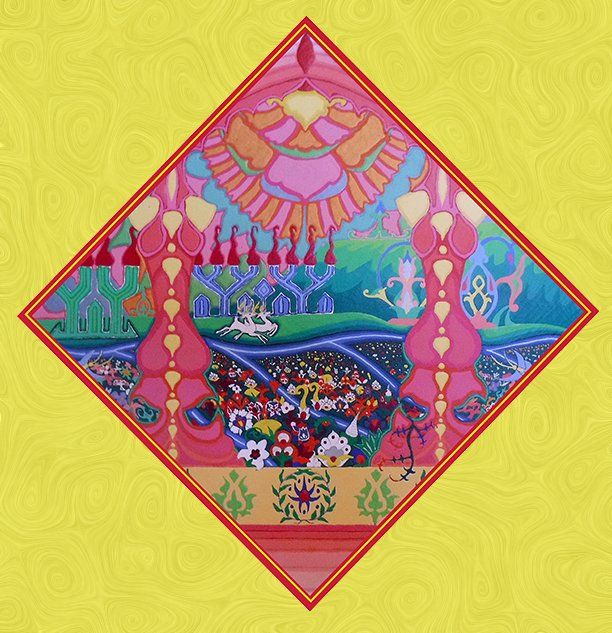
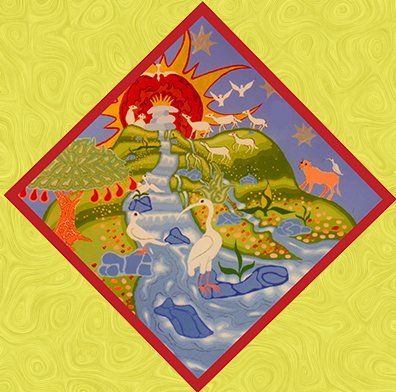
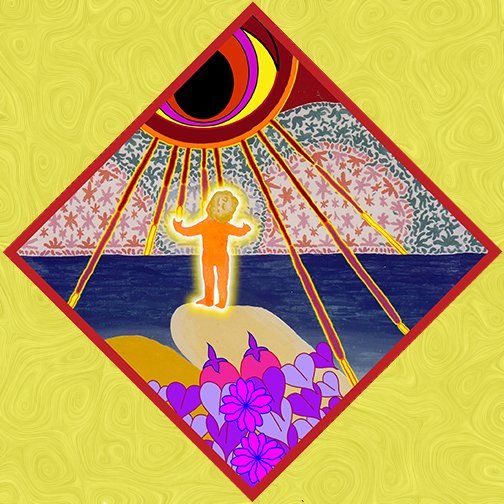
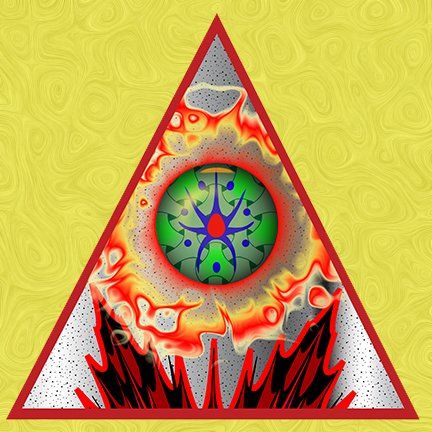
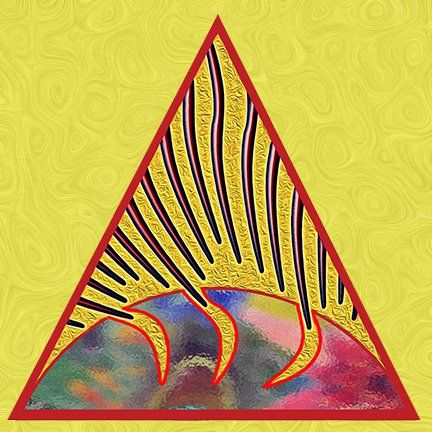
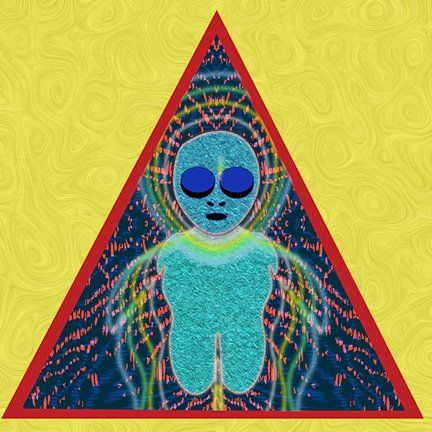
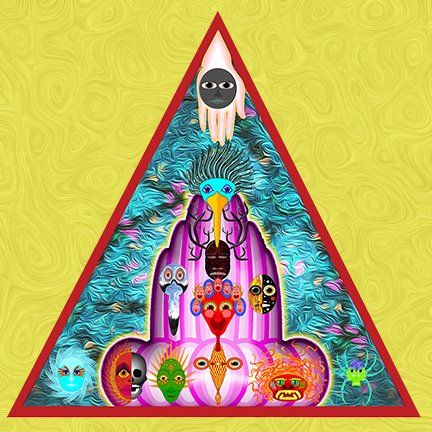
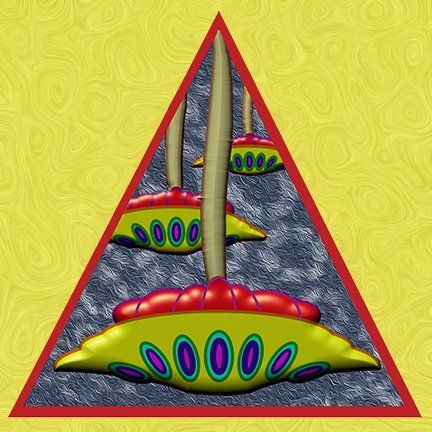
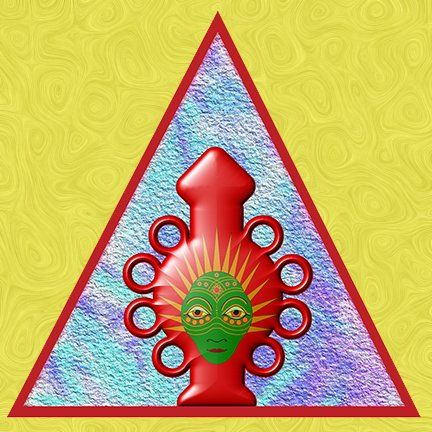
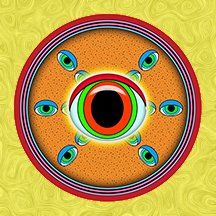
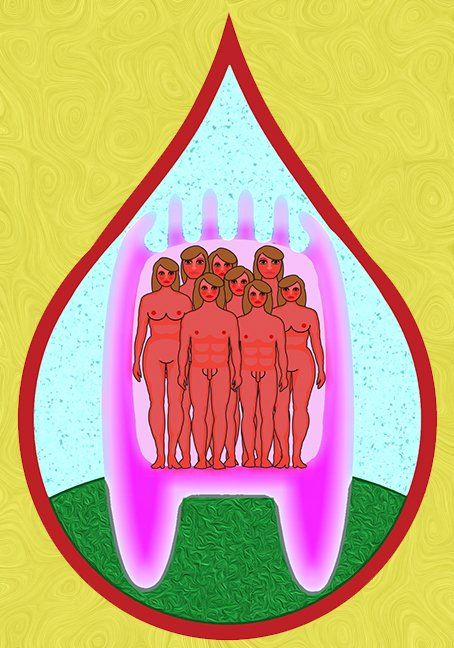
While all Danam-Yeldic Dynasties worked to meet this challenge, the first three distinguished themselves during the Nantu Age: the Upata-Shepsus, the Sheshisana and the Bakasha-Duta. Pictured here are the primary icons representing all members of each of these dynasties. As with all Danam Yeldic Dynastic icons, the design was established early in its history and was seen to reflect some aspect of its collective character.
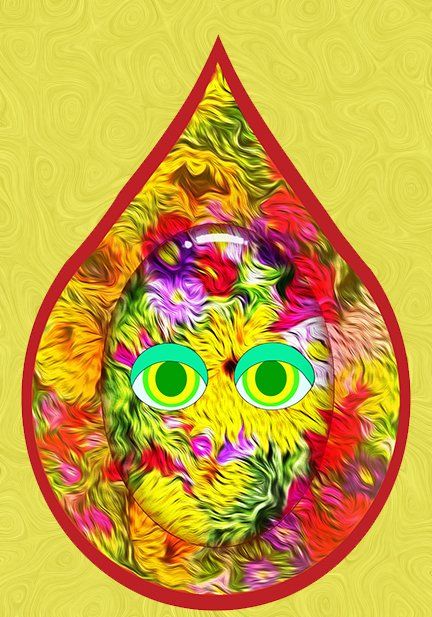
Kindness Wheel Day (58), in Two-Week Four, Ingeen - The Wheel, becomes Upata-Shepsus IV Day after Herhis death. Shehe had lived a full count of eighty-seven and six hundred years. This Danam Yeldic icon, departing from the conventions for this dynasty, was promulgated by Herhis successor, Majastas Upata-Shepsus V, in 51,305 UKC.